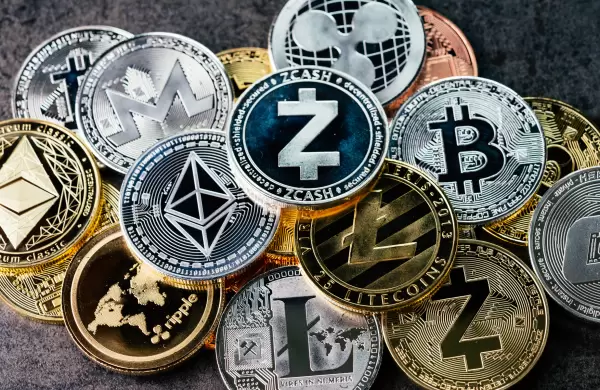
Introduction: Cryptocurrency in 2025
Cryptocurrency has come a long way since Bitcoin’s launch in 2009. In 2025, digital currencies like Bitcoin (BTC), Ethereum (ETH), and dozens of altcoins dominate financial conversations. But how does cryptocurrency actually work? Understanding the technology behind these digital assets is essential for investors, traders, and enthusiasts navigating the modern crypto market.
Blockchain Technology: The Backbone of Crypto
At the core of every cryptocurrency is blockchain technology, a decentralized ledger that records all transactions securely and transparently. Each block contains multiple transactions, cryptographically linked to the previous one, forming a “chain.”
Key benefits in 2025 include:
- Decentralization: No single entity controls the network, reducing the risk of manipulation.
- Security: Cryptographic hashing ensures that transactions cannot be altered once confirmed.
- Transparency: All transactions are publicly verifiable, increasing trust among users.
Blockchain updates in 2025, such as Ethereum 2.0 and advanced Layer 2 solutions, have significantly improved transaction speed and reduced fees, making crypto more accessible and practical.
Mining and Proof-of-Stake Explained
Cryptocurrencies rely on different mechanisms to validate transactions:
- Proof-of-Work (PoW): Used by Bitcoin, PoW requires miners to solve complex mathematical puzzles to add new blocks. Mining consumes electricity but ensures security and decentralization.
- Proof-of-Stake (PoS): Adopted by Ethereum 2.0 and other modern chains, PoS allows users to stake their coins to validate transactions. This method is energy-efficient and rewards long-term holders.
In 2025, PoS adoption has expanded, encouraging sustainable crypto networks while maintaining security and network integrity.
Wallets, Keys, and Transactions
To use cryptocurrency, investors need a wallet, which can be software-based (hot wallet) or hardware (cold wallet). Wallets store private keys, which are essential for signing transactions. Losing a private key means losing access to the crypto permanently, making security a top priority.
Transactions in 2025 are faster and cheaper than ever due to Layer 2 networks, sidechains, and improved scalability solutions. Smart contract platforms like Ethereum allow for automatic execution of agreements, opening doors to DeFi applications, token swaps, and NFTs.
Decentralized Finance (DeFi) and Smart Contracts
DeFi continues to revolutionize finance in 2025. By leveraging smart contracts on blockchains like Ethereum, users can:
- Lend and borrow cryptocurrencies without intermediaries
- Trade assets on decentralized exchanges (DEXs)
- Participate in liquidity pools and yield farming
Smart contracts eliminate the need for banks or brokers, allowing automated, trustless financial interactions that are secure and transparent.
Risks and Challenges in 2025
While cryptocurrency offers opportunities, risks remain:
- Volatility: Crypto prices fluctuate dramatically, affecting investment strategies.
- Regulatory Uncertainty: Governments are implementing rules for taxation, security, and compliance.
- Cybersecurity Threats: Hacks, phishing, and scams remain major concerns for crypto users.
Investors should combine education, research, and risk management to navigate these challenges effectively.
Why Understanding Cryptocurrency Matters
Knowing how cryptocurrency works is essential for 2025 investors:
- Informed decisions reduce risk and improve strategy
- Understanding blockchain technology helps identify emerging trends
- Knowledge of wallets, staking, and DeFi can optimize returns
By grasping the fundamentals, investors can participate confidently in the crypto market while minimizing exposure to volatility and fraud.
Conclusion: The Future of Cryptocurrency in 2025
Cryptocurrency in 2025 is more than a speculative asset; it is a technological revolution reshaping finance, commerce, and digital ownership. From blockchain to smart contracts, mining to staking, understanding how crypto actually works is key for anyone looking to invest or use these digital assets.
As adoption grows, so does the need for education and awareness. Investors who understand the mechanisms behind cryptocurrency are better positioned to capitalize on opportunities while avoiding risks.
Acerca del autor