China Tightens Trade Policy with New Tariffs on European Dairy, Raising Global Market Concerns
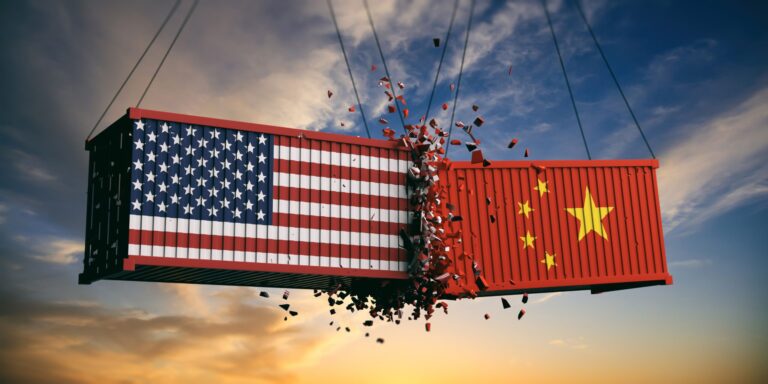
China has intensified its trade stance against the European Union by imposing new and higher tariffs on European cheese and cream imports, a move that signals growing trade tensions between China and the EU and raises concerns across global agricultural and financial markets. The decision, announced by Chinese trade authorities, comes amid broader geopolitical frictions and reflects Beijing’s increasingly assertive approach to protecting domestic industries.
New Tariffs Hit European Dairy Exports
The newly imposed tariffs primarily target European dairy products, with a significant impact on cheese and cream exports from France, one of the EU’s largest dairy exporters. Industry sources indicate that tariff rates have increased sharply compared to previous levels, making European dairy products substantially more expensive for Chinese importers and consumers.
China is one of the world’s fastest-growing dairy markets, and European producers—particularly from France, Germany, and the Netherlands—have benefited from rising Chinese demand over the past decade. However, the new tariffs threaten to disrupt established supply chains and reduce European market share in Asia’s largest economy.
Keywords: China tariffs, European dairy exports, cheese tariffs, cream imports, France dairy industry
Escalating EU–China Trade Tensions
The move is widely seen as part of a broader trade dispute between China and the European Union, which has intensified in recent years over issues such as industrial subsidies, market access, and technology restrictions. Analysts suggest the dairy tariffs may represent a retaliatory measure amid ongoing negotiations and regulatory disputes.
Trade experts warn that these actions could further strain diplomatic relations and increase the risk of a prolonged trade conflict. While dairy products represent a relatively small share of total EU–China trade, the symbolic impact is significant, especially as both sides seek leverage in wider economic negotiations.
Keywords: EU-China trade tensions, global trade dispute, protectionism, international trade policy
Impact on French and European Producers
French dairy exporters are expected to be among the hardest hit. China has been a key growth market for premium European cheeses, valued for their quality and reputation. With higher tariffs in place, Chinese buyers may shift toward domestic producers or alternative suppliers, such as New Zealand or Latin American countries, which could offer more competitive pricing.
European dairy associations have expressed concern that smaller producers may struggle to absorb the financial impact. Reduced exports could lead to oversupply in European markets, putting downward pressure on prices and squeezing profit margins across the sector.
Keywords: French exporters, European cheese market, dairy prices, agricultural exports
Global Market and Inflation Concerns
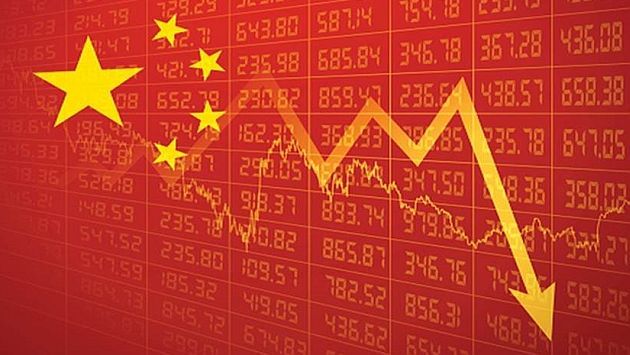
Beyond Europe, the tariffs raise broader global market concerns, particularly regarding food prices and supply chains. Trade restrictions on agricultural products often lead to price volatility, and analysts warn that prolonged trade barriers could contribute to inflationary pressures in both importing and exporting regions.
Investors are closely monitoring the situation, as trade disputes tend to increase uncertainty in commodity markets and can weigh on global economic growth. Shares of major European food and agriculture companies showed mild volatility following reports of the new tariffs, reflecting investor caution.
Keywords: global markets, food inflation, commodity prices, market volatility
China’s Domestic Strategy
From Beijing’s perspective, the tariffs align with a broader strategy to support domestic dairy production and reduce reliance on foreign suppliers. China has invested heavily in modernizing its agricultural sector, aiming to boost food security and stabilize domestic prices.
By raising tariffs on European dairy imports, China may encourage consumption of locally produced alternatives while strengthening its negotiating position in future trade talks. However, economists note that domestic production may not immediately match the quality or variety of imported European products, potentially affecting consumer choice.
Keywords: China trade policy, domestic production, food security, import substitution
Outlook: Risk of Further Trade Measures
Looking ahead, analysts warn that the dairy tariffs could set a precedent for additional trade measures targeting other European agricultural or consumer goods. If retaliatory actions escalate, both sides could face economic losses, particularly at a time when global growth remains fragile.
The European Union is expected to raise the issue through diplomatic and trade channels, potentially seeking consultations or countermeasures if negotiations fail. For now, businesses and investors remain cautious, watching closely for signs of de-escalation or further escalation in EU–China trade relations.
Keywords: trade outlook, global economy, EU response, international markets
Conclusion
China’s decision to impose new tariffs on European cheese and cream underscores the growing complexity of global trade dynamics. While aimed at protecting domestic interests, the move risks amplifying trade tensions, disrupting supply chains, and increasing uncertainty in global markets. As the situation develops, the dairy sector may become an early indicator of how far the EU–China trade relationship could deteriorate—or recover—in the coming years.
Acerca del autor