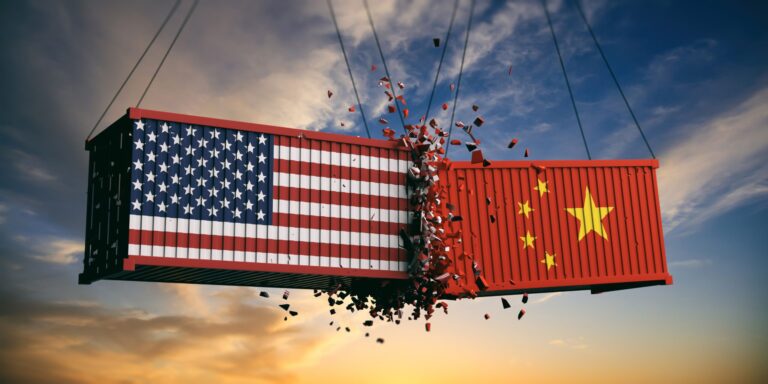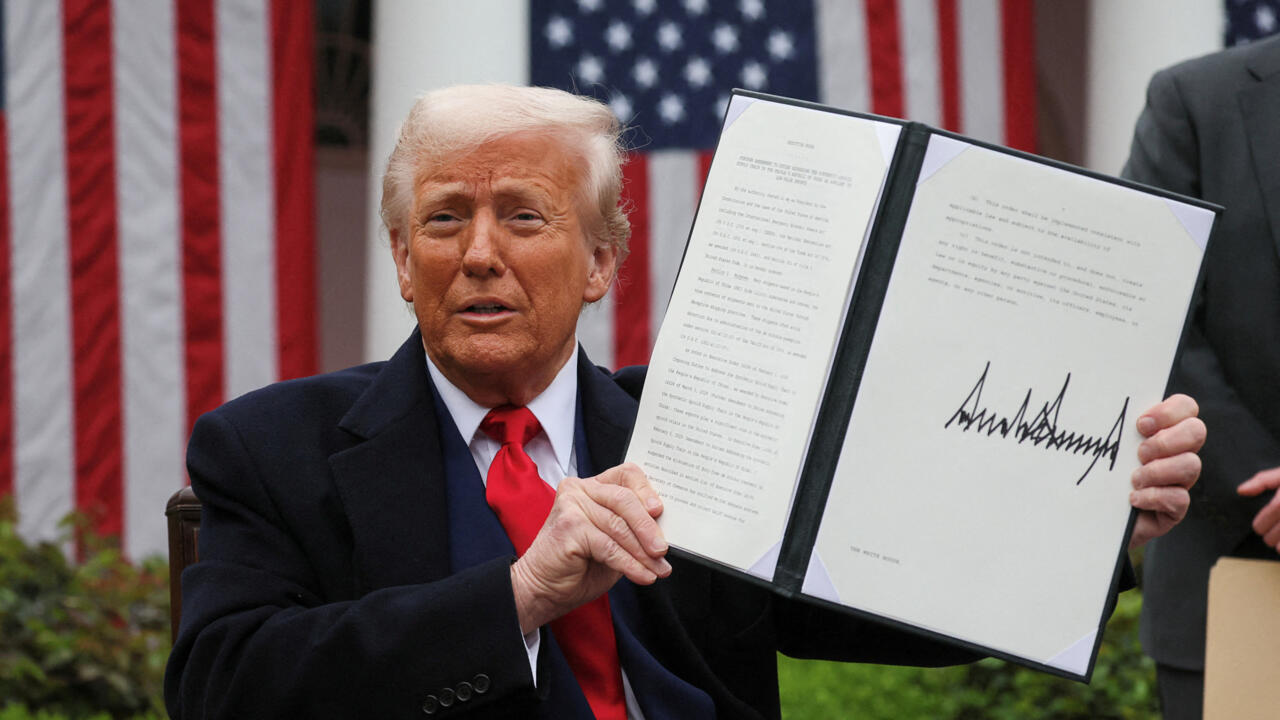
One year after the United States implemented its sweeping new round of tariffs—quickly dubbed “Tariff Day” by markets and policymakers—the economic results are proving far more complex than initially promised. While the measures were designed to protect domestic industry, curb imports, and strengthen employment, the data now paints a mixed picture: inflation remains elevated, job growth has stalled, and U.S. manufacturing has yet to deliver the long-awaited rebound.
Inflation: Higher Prices Become the Main Legacy
Inflation has emerged as the most visible and immediate consequence of Tariff Day. Over the past twelve months, consumer prices have risen by an estimated 3.8% year over year, compared with 2.6% in the previous period. While global energy prices and supply-chain adjustments played a role, economists widely agree that tariffs contributed meaningfully to higher costs, particularly for goods heavily dependent on imported components.
Core goods inflation—excluding food and energy—rose by approximately 4.2%, with sectors such as electronics, appliances, and automobiles seeing price increases ranging between 6% and 10%. Imported intermediate goods now face average tariff rates of 15% to 25%, costs that companies have largely passed on to consumers rather than absorbing into margins.
For U.S. households, the impact has been tangible. Estimates suggest that the average American family is paying between $800 and $1,200 more per year for consumer goods than before Tariff Day. Lower- and middle-income households, which spend a larger share of income on goods rather than services, have felt the burden most acutely.
Employment: Protection Without a Hiring Boom
Supporters of the tariffs argued that higher trade barriers would stimulate domestic hiring, especially in manufacturing. One year later, employment figures suggest otherwise. Overall job growth has slowed to around 1.1% annually, down from 1.8% in the year prior to the tariff rollout.
Manufacturing employment, the sector most closely tied to the policy, has been largely flat. Payrolls in manufacturing increased by just 0.3%, equivalent to fewer than 40,000 net new jobs, far below expectations. In contrast, service-sector employment grew by approximately 1.6%, underscoring the continued dominance of services in the U.S. economy.
Small and medium-sized manufacturers have faced particular challenges. Surveys indicate that nearly 45% of industrial firms report higher input costs as their primary concern, while only 18% say tariffs have improved their competitiveness. As a result, many companies have delayed hiring plans or invested cautiously, prioritizing cost control over expansion.
Industry and Manufacturing: Still Waiting for Lift-Off
Perhaps the most disappointing outcome has been the lack of a meaningful industrial resurgence. U.S. industrial production grew by just 0.7% over the past year, compared with 2.1% growth in the previous cycle. Capacity utilization in manufacturing remains stuck near 77%, well below the 80–82% level typically associated with strong industrial momentum.
Capital expenditure has also softened. Business investment in equipment and machinery declined by approximately 1.4%, as uncertainty around trade policy, global demand, and input costs discouraged long-term commitments. While some reshoring projects were announced with great fanfare, analysts estimate that fewer than 20% have moved beyond the planning stage.
Export performance has not provided relief. Retaliatory measures from trading partners reduced U.S. exports by an estimated 4.5%, particularly in agriculture, machinery, and industrial goods. Farmers and heavy equipment producers have been among the hardest hit, despite government support programs designed to offset losses.
Financial Markets and Policy Implications
Financial markets reacted cautiously to the one-year assessment. Equity markets initially welcomed the tariffs as pro-industry, but optimism faded as earnings reports reflected margin pressure and weaker global demand. Manufacturing-heavy indices underperformed the broader market by roughly 6 percentage points over the past year.
For the Federal Reserve, higher inflation combined with slower growth presents a policy dilemma. While price pressures argue for tighter monetary conditions, stagnant employment and weak industrial output suggest the economy cannot easily absorb higher interest rates. As a result, policymakers have adopted a more cautious stance, emphasizing data dependency and flexibility.
A Costly Experiment Still Unfolding
One year after Tariff Day, the evidence suggests that the policy’s costs have been clearer and more immediate than its benefits. Inflation has risen by nearly 1.2 percentage points, job growth has slowed, and U.S. industry has yet to experience the promised revival. While proponents argue that structural benefits may emerge over the long term, critics counter that the near-term economic burden is already weighing on consumers and businesses alike.
As the U.S. enters the second year of the tariff regime, the central question remains unresolved: can protectionism ultimately strengthen American industry, or will higher prices and weaker growth continue to define its legacy? For now, the data points toward caution rather than celebration.

Acerca del autor