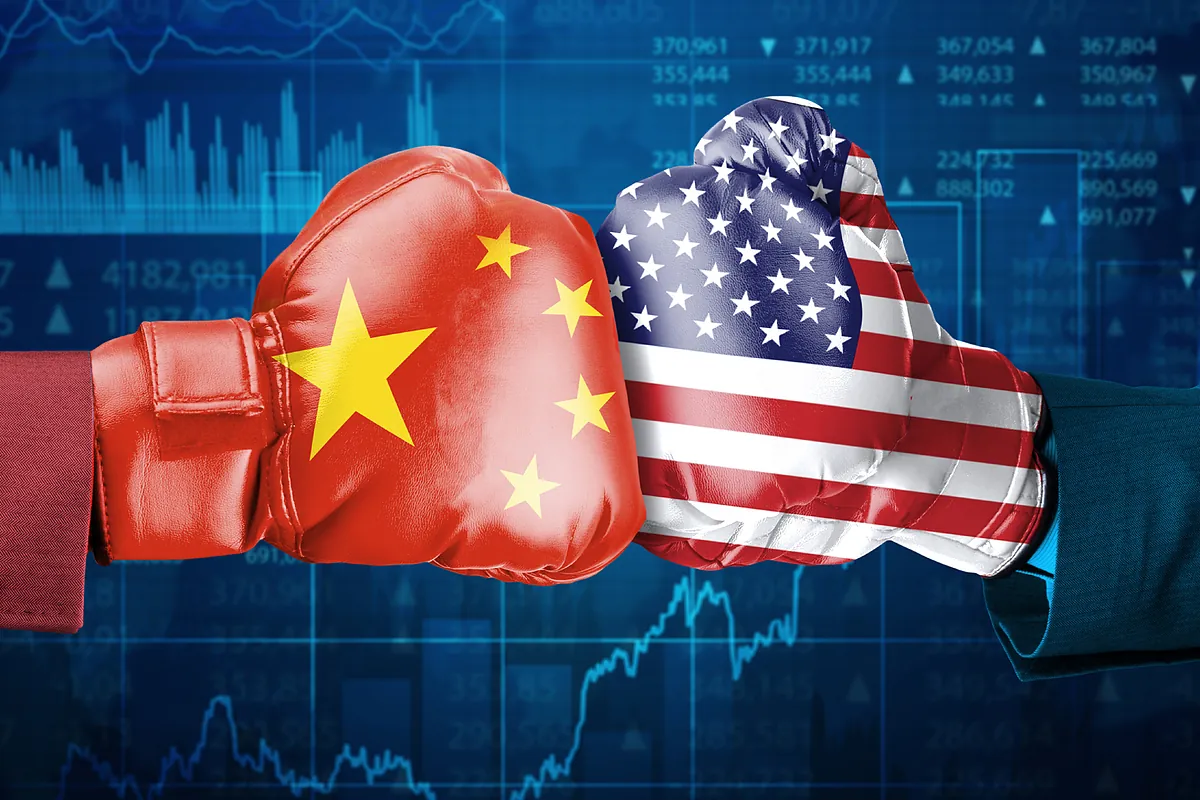
China has formally voiced strong opposition to the latest round of U.S. tariffs on semiconductor chips, marking a new chapter in the ongoing technology and trade dispute between the world’s two largest economies. The move comes amid heightened global sensitivity around supply chains, inflationary pressures, and the strategic importance of semiconductors for industries ranging from artificial intelligence to automotive manufacturing.
Beijing’s response, delivered through official statements from China’s Ministry of Commerce, argues that the U.S. tariffs distort global markets, raise costs for businesses and consumers, and undermine the stability of the semiconductor supply chain. Chinese officials emphasized that chips are not just a strategic asset but also a foundational input for the global digital economy, making unilateral trade restrictions particularly disruptive.
The Tariff Context: A High-Stakes Industry
Semiconductors sit at the heart of modern economic growth. According to industry estimates, the global semiconductor market exceeds $600 billion annually, with growth rates averaging 6% to 8% per year. The United States and China are deeply interconnected in this ecosystem: U.S. firms lead in design and advanced manufacturing equipment, while China represents more than 30% of global chip demand.
The new U.S. tariffs, which raise import duties on certain semiconductor products to levels ranging between 20% and 35%, are intended to protect domestic production and reduce reliance on foreign suppliers. However, China argues that these measures may ultimately backfire by increasing production costs across multiple industries. Electronics manufacturers, automakers, and even renewable energy firms rely heavily on affordable and predictable access to chips.
Chinese analysts estimate that the tariffs could increase downstream manufacturing costs by 5% to 10%, costs that are likely to be passed on to consumers worldwide. This concern resonates at a time when global inflation, though easing in some regions, remains sensitive to supply-side shocks.
China’s Position: Cooperation Over Confrontation
In its official stance, China reiterated its commitment to open trade and multilateral cooperation. Chinese authorities stressed that dialogue, rather than tariffs, is the most effective way to address concerns around supply security and fair competition. Beijing also warned that prolonged trade friction could slow innovation by fragmenting global research and development networks.
China’s semiconductor imports exceed $400 billion per year, making it the world’s largest buyer of chips. While the country has invested heavily in domestic chip production—boosting annual investment in the sector by more than 20% over the past three years—it remains reliant on international collaboration, particularly for advanced nodes and specialized equipment.
By opposing the tariffs, China positions itself as a defender of global supply chain stability, a message that resonates with many multinational firms and emerging economies that depend on predictable trade flows.
Global Market Reaction
Financial markets reacted cautiously to the announcement. Shares of major semiconductor firms showed modest volatility, with some analysts warning that prolonged trade tensions could shave 0.3 to 0.5 percentage points off global technology sector growth over the next year. At the same time, many investors welcomed China’s emphasis on dialogue, viewing it as a signal that escalation is not inevitable.
European and Asian chipmakers, in particular, have expressed concern that tariffs between the U.S. and China could force companies to redesign supply chains at significant cost. Industry groups estimate that supply chain fragmentation could reduce global semiconductor efficiency by as much as 15% over the medium term.
A Positive Outlook: Why China’s Stance Matters
From a broader perspective, China’s opposition to U.S. chip tariffs can be viewed positively for the global economy. By advocating cooperation and warning against protectionism, Beijing highlights the interconnected nature of modern technology markets. Semiconductors thrive on scale, specialization, and cross-border collaboration—conditions that tariffs inherently undermine.
China’s stance also opens the door for renewed negotiations. History shows that prolonged trade conflicts often lead to compromise once economic costs become clear. A cooperative framework on semiconductors could reduce uncertainty, support investment, and help stabilize prices, benefiting consumers and businesses alike.
Moreover, opposition to tariffs does not necessarily conflict with domestic industrial development. China can continue strengthening its semiconductor capabilities while supporting a more open global market. This dual approach—investing at home while engaging internationally—could encourage innovation rather than isolation.
Looking Ahead
As the semiconductor industry faces rising demand from artificial intelligence, electric vehicles, and data centers—sectors expected to grow by double-digit percentages annually—global cooperation will be essential. China’s vocal opposition to U.S. tariffs sends a clear message: sustainable growth in technology depends on shared rules, open markets, and dialogue.
While political tensions remain, China’s call for cooperation offers a constructive path forward. If embraced, it could help ease trade frictions, stabilize supply chains, and support long-term innovation—outcomes that serve not only China and the United States, but the global economy as a whole.

Acerca del autor