China Surrounds Taiwan With Live-Fire Military Drills After U.S. Arms Deal, Escalating Cross-Strait Tensions
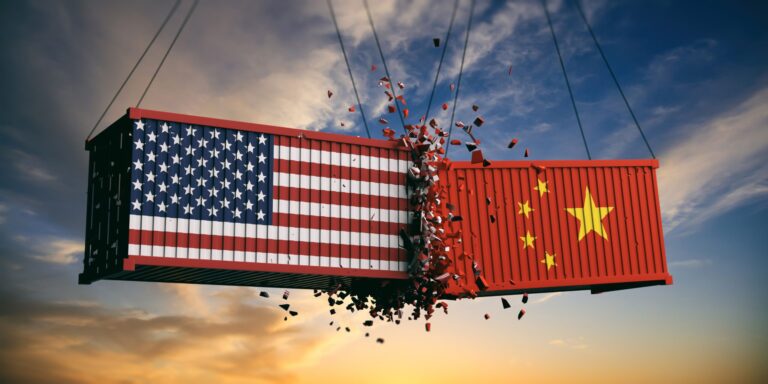
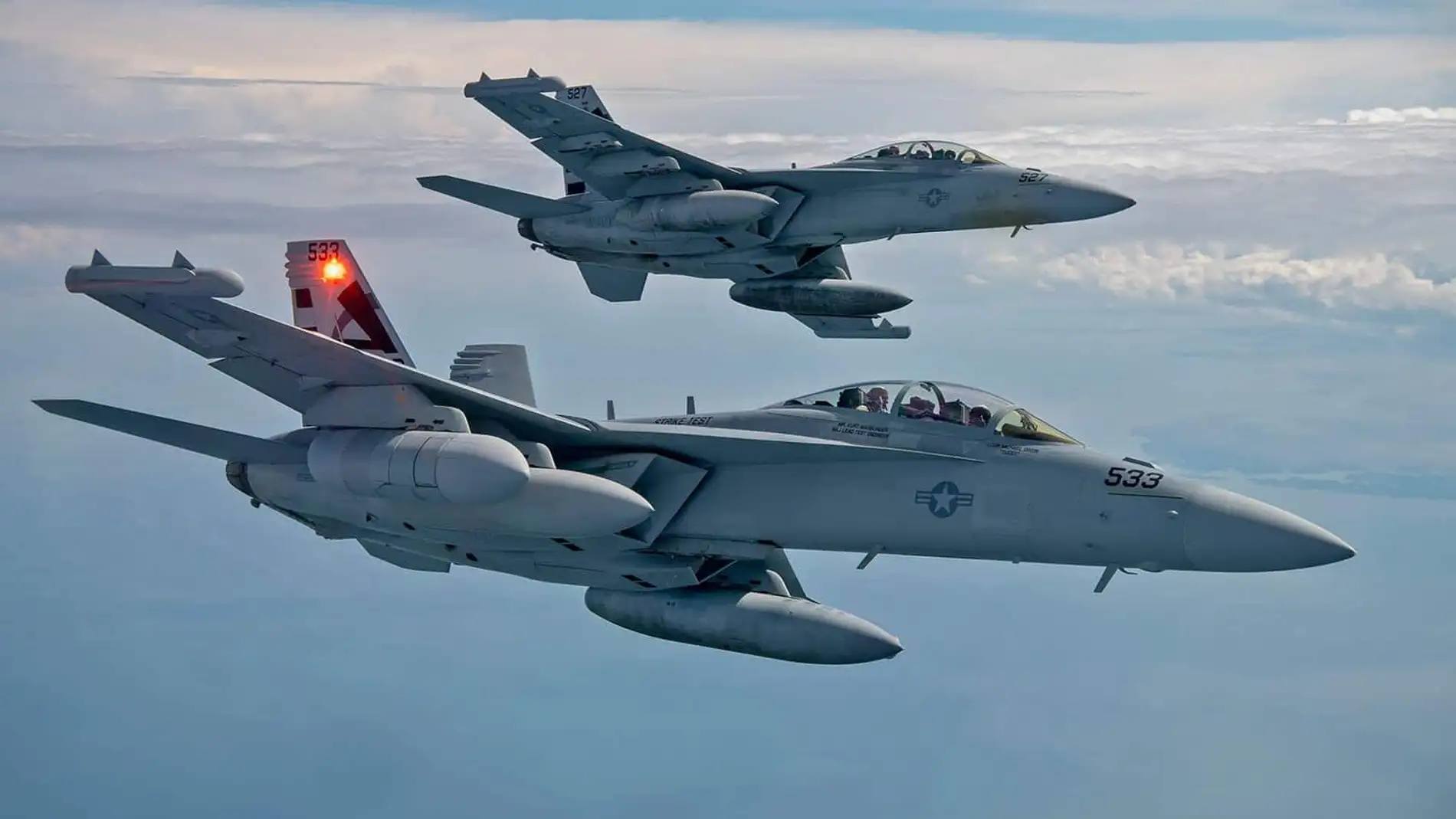
China has dramatically escalated tensions in the Taiwan Strait by launching large-scale live-fire military drills that effectively encircle Taiwan, a move Beijing says is a direct response to a recent U.S.-Taiwan arms purchase agreement. The exercises, involving naval vessels, fighter jets, missile units, and rocket forces, mark one of the most forceful displays of Chinese military power around the self-governed island in recent years.
According to China’s People’s Liberation Army (PLA), the drills are designed to test joint combat readiness, precision strike capabilities, and blockade operations in multiple directions around Taiwan. State media described the maneuvers as a “stern warning” to what Beijing calls “separatist forces” and foreign interference, using language that underscores the increasingly confrontational tone of China’s policy toward Taiwan.
A Response to the U.S. Arms Deal
The immediate trigger for the drills appears to be Washington’s approval of a new arms sales package to Taiwan, which includes advanced missile systems, air defense components, and logistical support aimed at strengthening the island’s deterrence capabilities. The United States maintains that such sales are defensive in nature and consistent with its long-standing commitments to help Taiwan maintain the ability to defend itself.
Beijing strongly rejects this position. China’s Ministry of Foreign Affairs condemned the deal as a “serious violation” of the One China principle, accusing the United States of destabilizing the region and emboldening pro-independence elements in Taipei. Chinese officials warned that continued military cooperation between Washington and Taiwan would lead to “firm and resolute countermeasures.”
Scope and Scale of the Military Exercises
Military analysts say the latest drills stand out for their geographic scope and operational realism. PLA naval task groups were reported operating to the east, south, and west of Taiwan, while air force units conducted sorties that crossed the median line of the Taiwan Strait—an unofficial boundary that had long served as a buffer to reduce tensions.
Live-fire elements reportedly included missile launches, artillery strikes, and simulated attacks on strategic targets such as ports and airfields. The exercises also featured coordination between different branches of the Chinese military, highlighting Beijing’s growing emphasis on integrated, multi-domain warfare.
From Taipei’s perspective, the drills resemble a rehearsal for a blockade scenario, rather than a full-scale invasion. By surrounding the island and practicing control over key sea and air lanes, China appears to be signaling its ability to choke off Taiwan’s trade and energy supplies in a crisis.
Taiwan’s Reaction and Defense Posture
Taiwan’s Ministry of National Defense said it was closely monitoring the situation and had activated combat readiness patrols. Fighter jets were scrambled, naval units deployed, and missile defense systems placed on heightened alert. Officials emphasized that Taiwan would not be intimidated and remains committed to defending its democratic system and way of life.
President and senior government figures urged calm among the population while condemning Beijing’s actions as destabilizing and irresponsible. At the same time, Taiwanese authorities stressed the importance of strengthening ties with international partners and accelerating domestic defense reforms.
Public reaction in Taiwan has been mixed. While some citizens express anxiety over the frequency and intensity of Chinese military activity, others see the drills as further proof of the need for robust defense cooperation with the United States and other like-minded countries.
Washington and International Response
The United States criticized China’s maneuvers as provocative and destabilizing, calling on Beijing to exercise restraint and avoid unilateral actions that could alter the status quo. U.S. officials reiterated their opposition to any attempt to resolve cross-strait differences by force and reaffirmed their commitment to peace and stability in the Indo-Pacific.
Regional allies are watching closely. Japan has expressed concern over Chinese military activity near its southwestern islands, while officials in South Korea and Australia have warned that rising tensions in the Taiwan Strait pose serious risks to global security and trade. European governments have also voiced unease, emphasizing the importance of freedom of navigation in one of the world’s most critical maritime corridors.
Strategic Significance of the Taiwan Strait
The Taiwan Strait is a vital artery for global commerce, with a significant share of the world’s shipping and semiconductor supply chains passing through the region. Any disruption could have far-reaching economic consequences, affecting everything from energy markets to consumer electronics.
For China, Taiwan remains a core national interest, with President Xi Jinping repeatedly stating that reunification cannot be postponed indefinitely. For the United States, Taiwan is a key partner in the Indo-Pacific and a symbol of its commitment to supporting democratic societies under pressure.
The latest military drills highlight the growing risk of miscalculation. With warships and aircraft operating in close proximity, even a minor incident could escalate rapidly, drawing in multiple powers and triggering a broader regional crisis.
A Dangerous New Normal
As China continues to flex its military muscle and the United States deepens its security ties with Taiwan, the Taiwan Strait is increasingly becoming one of the world’s most dangerous flashpoints. While neither side appears to be seeking immediate conflict, the combination of live-fire exercises, arms sales, and sharpened rhetoric suggests that tensions are settling into a volatile new normal.
For now, diplomacy remains the only viable path to preventing escalation. But as military pressure intensifies and trust erodes, the margin for error grows ever thinner—making the future of cross-strait relations more uncertain than at any point in decades.

Acerca del autor