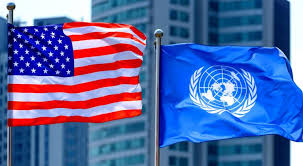
The United States has announced a $2 billion contribution to the United Nations for humanitarian assistance, marking one of the largest single funding commitments in recent years as global needs reach record levels. The pledge comes amid a surge in armed conflicts, climate-related disasters, food insecurity, and displacement, reinforcing Washington’s role as the world’s leading humanitarian donor.
U.S. officials said the funding will support life-saving relief operations coordinated by UN agencies and partners, including emergency food aid, healthcare, shelter, clean water, and protection for vulnerable populations. The contribution is expected to be distributed across multiple UN bodies, such as the World Food Programme (WFP), UNICEF, the UN High Commissioner for Refugees (UNHCR), and the UN Office for the Coordination of Humanitarian Affairs (OCHA).
Addressing a Growing Global Humanitarian Gap
According to the United Nations, more than 300 million people worldwide are in need of humanitarian assistance, driven by protracted conflicts in regions such as the Middle East, Africa, and parts of Eastern Europe, alongside extreme weather events intensified by climate change. Despite rising needs, humanitarian appeals remain chronically underfunded, forcing aid agencies to scale back critical programs.
The U.S. contribution aims to help close this funding gap at a time when food prices remain volatile and supply chains are under pressure. Officials emphasized that the funds will prioritize emergency response and early recovery, helping communities stabilize while longer-term solutions are pursued.
“This commitment underscores our responsibility to act when lives are at stake,” a senior U.S. official said, highlighting that humanitarian aid is not only a moral imperative but also a cornerstone of global stability and security.
Where the Money Will Go
UN agencies say the funding will have an immediate impact across several key areas:
- Food Security: Expanded food distributions and cash assistance for families facing acute hunger, particularly in famine-risk zones.
- Health and Nutrition: Support for clinics, vaccination campaigns, maternal care, and treatment for malnutrition.
- Refugees and Displacement: Emergency shelter, protection services, and education for displaced children.
- Water and Sanitation: Access to clean drinking water and hygiene services to prevent disease outbreaks.
By channeling funds through established UN mechanisms, the U.S. aims to ensure rapid deployment and coordination with local partners on the ground.
Strategic and Diplomatic Significance
Beyond the humanitarian impact, the pledge carries strategic and diplomatic weight. At a time when multilateral institutions face skepticism and funding pressures, Washington’s announcement sends a signal of renewed support for the rules-based international system and collective action through the United Nations.
Analysts note that humanitarian aid also plays a stabilizing role by reducing the risk of conflict spillover, mass migration, and regional instability. In fragile states, timely assistance can help prevent crises from escalating into broader security challenges.
The move may also encourage other donor countries to step up contributions. UN officials have repeatedly called on wealthy nations to share the burden more evenly, warning that without increased funding, millions could be left without basic assistance.
Reactions from the United Nations and Aid Groups
UN leaders welcomed the announcement, calling it a “critical lifeline” for operations stretched to their limits. Humanitarian organizations praised the scale of the commitment but stressed that sustained funding will be essential as crises become more complex and long-lasting.
Non-governmental organizations working alongside the UN highlighted the importance of flexibility in how the funds are used, allowing agencies to respond quickly to sudden emergencies such as earthquakes, floods, or sudden escalations in violence.
Domestic Debate and Accountability
Within the United States, the funding decision has sparked debate. Supporters argue that humanitarian assistance saves lives, strengthens U.S. global leadership, and costs a fraction of military or crisis-response spending. Critics, however, question overseas spending amid domestic economic pressures, calling for greater transparency and oversight.
U.S. officials responded by emphasizing accountability measures, including monitoring, reporting requirements, and partnerships with trusted UN agencies that have established track records. They stressed that humanitarian aid represents a small share of the federal budget while delivering outsized benefits in terms of global goodwill and crisis prevention.
A Crucial Moment for Global Relief
As humanitarian needs continue to climb, the U.S. $2 billion pledge stands out as a significant boost to global relief efforts. While it will not solve the world’s crises on its own, the funding provides critical breathing room for aid agencies working on the front lines.
In a world increasingly shaped by conflict and climate shocks, the announcement reinforces a central message: international cooperation remains essential. For millions facing hunger, displacement, and uncertainty, the commitment offers not just resources, but a renewed sense that the global community has not turned away.

Acerca del autor