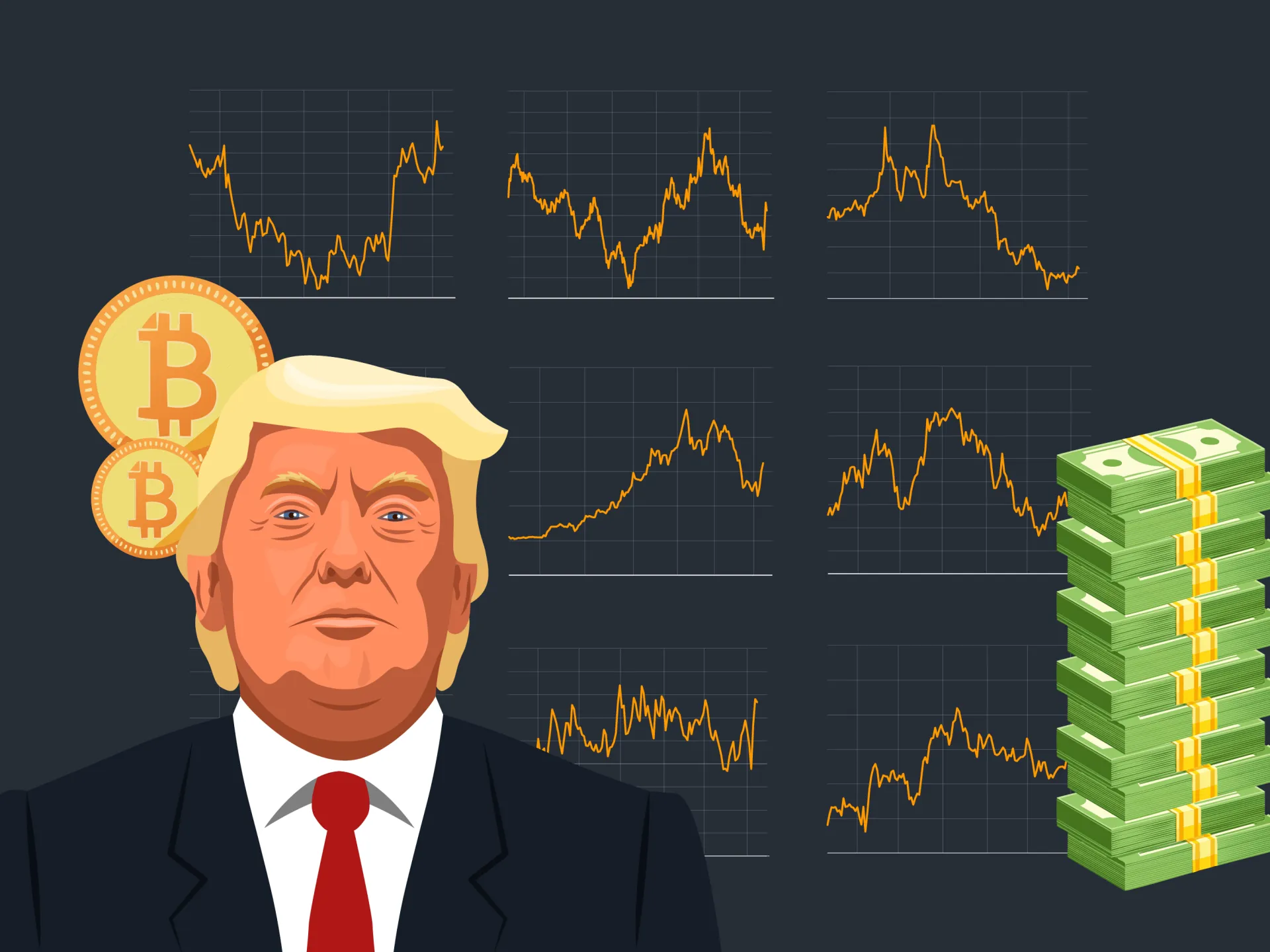
How Donald Trump Shaped the Global Economy: Trade Wars, Markets, and International Impact
Since his return to the White House in 2025, Donald Trump’s economic policies have had profound and far-reaching effects on the global economy—redefining international trade, roiling financial markets, and reshaping diplomatic and economic relationships around the world.
At the heart of Trump’s strategy is a renewed emphasis on protectionism and aggressive tariff policy, aimed at reducing trade deficits and promoting “Made in America” production. However, the global reaction to these moves has been mixed, with many countries and economic institutions warning of slower growth, supply chain disruption, and rising costs for consumers and businesses alike. Khaleej Times+1
Trade Wars and Global Growth
One of the most significant ways Trump has influenced the world economy is through his trade war escalation. By imposing steep tariffs on imports from China, the European Union, Mexico, Canada, and other major trading partners, the United States has triggered tit-for-tat retaliation that has disrupted global trade flows. Experts have noted that tariff escalation has increased uncertainty and discouraged investment, leading to a slowdown in global trade activity. bostonbrandmedia.com
International institutions have voiced deep concerns:
- The Organisation for Economic Co-operation and Development (OECD) recently warned that Trump’s tariff policies are slowing global growth, reducing investment confidence, and inflating consumer prices. The OECD projected global economic expansion to slow from 3.3% in 2024 to about 2.9% in 2025 due largely to trade barriers. Bloomberg Línea
- A PwC economic report echoed this outlook, suggesting tariffs could shave off up to 0.5% of global GDP while also weighing on inflation and supply-chain efficiency, particularly in manufacturing hubs such as the EU automotive and chemical sectors. PwC
These projections underscore the realignment of global trade patterns—even as some countries, like Mexico, adapt and in some cases benefit from shifted supply chains and tariff exclusions. Mexico’s competitive positioning has allowed increases in certain manufacturing exports to the United States, illustrating how trade dynamics are being reshaped regionally. The Wall Street Journal
Market Volatility and Investor Concerns
Financial markets have responded with notable volatility under Trump’s policies. Analysts cite increased uncertainty from trade announcements as a key driver of swings in stock indices and commodity prices. For example, gold surged as investors sought safe havens amid tensions, reflecting broader unease about future economic growth and stability. Reuters
Institutional investors and economists have also raised flags about long-term confidence in the U.S. dollar as the global reserve currency. Some reports suggest that persistent trade barriers and geopolitical fragmentation could erode investor trust in traditional economic leadership, prompting diversification into alternative assets and currencies. Khaleej Times
Domestically, some sectors experienced temporary gains. Tax cuts and deregulation spurred investment and boosted certain segments, especially in energy and domestic manufacturing. Yet, the benefits have been uneven, and critics argue that short-term gains mask persistent structural challenges and rising consumer costs.
Consumer Impact Worldwide
Consumers globally are feeling the effects of Trump’s trade wars in tangible ways. Tariffs raise the cost of imported goods, and those higher costs often pass to consumers. Estimates from non-partisan experts indicate that U.S. households could see tariff-related price increases of hundreds of dollars annually, particularly for electronics, appliances, and other imported products. Forbes
Beyond the United States, consumer price pressures have also emerged in trading partners that rely on imports from the U.S., especially where reciprocal tariff measures have been applied. While some regions like the UK might benefit marginally from redirected Chinese exports lowering certain prices, inflation dynamics remain complex and highly dependent on broader economic policies and currency movements. The Guardian
Public Opinion and Geopolitical Impacts
A recent global opinion study across 29 countries shows that a majority of respondents view Trump’s economic measures unfavorably. Some 61% believe his policies will negatively impact the world economy, while 58% think their own country could be worse off as a result. Over 40% even say these policies could hurt their personal financial situation. Ipsos
This widespread skepticism highlights how deeply Trump’s approach is reshaping international perceptions of U.S. economic leadership. For many nations, the shift toward protectionism has sparked efforts to diversify trade relationships and reduce dependence on the U.S.—a trend with potential long-term geopolitical consequences.
Expert Opinions: A Divided Consensus
Among economists, the debate over Trump’s economic legacy is sharply divided.
Supporters argue that robust U.S. GDP growth, which reached a 4.3% annualized rate in late 2025, reflects the effectiveness of tax incentives and deregulation, even amid tariff challenges. A former Trump advisor notes that aiming for sustained growth of 3–4% remains achievable with prudent fiscal and trade strategies. Business Insider
Critics, however, warn that elevated trade barriers, inflationary pressures, and disrupted supply chains could suppress long-term growth and reduce living standards globally. Institutions like the IMF have cautioned that continued escalation in tariffs could weaken global growth and elevate inflation, even if they do not lead to a full recession. AP News
Conclusion
Trump’s imprint on the global economy is undeniable. Through tariff enforcement, recalibrated trade relationships, and policy uncertainty, international markets and governments are being forced to adapt. While some benefits may materialize domestically in the short term, the broader consequences—slower global growth, market fragmentation, and heightened consumer costs—present challenges that policymakers worldwide are still striving to manage. As 2026 unfolds, the world’s economic landscape remains in flux, shaped in large part by the reverberations of Trump’s ambitious economic agenda.

Acerca del autor