India’s Economic Rise: Country Overtakes Japan to Become World No. 4
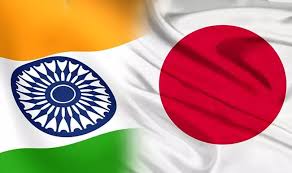
India has officially overtaken Japan to become the fourth-largest economy in the world, marking a historic milestone in the global economic order and underscoring the rapid transformation of Asia’s emerging powerhouse. Driven by strong GDP growth, a young population, expanding domestic demand, and strategic government reforms, India’s rise signals a long-term shift in global economic gravity.
According to international economic estimates, India’s nominal GDP has surpassed Japan’s, placing it behind only the United States, China, and Germany. This achievement reflects not just short-term momentum, but decades of structural change that have gradually repositioned India as a central engine of global growth.
A Turning Point in the Global Economy
For years, Japan held its position as one of the world’s largest economies, benefiting from advanced manufacturing, technological leadership, and strong exports. However, slow population growth, an aging workforce, and decades of low inflation have limited Japan’s economic expansion.
India, by contrast, is experiencing the opposite dynamic. With a population exceeding 1.4 billion people, more than half under the age of 30, India possesses one of the world’s largest labor forces and consumer markets. This demographic advantage has become a powerful catalyst for sustained economic growth.
India’s economy has grown at an average annual rate above 6%, making it the fastest-growing major economy globally. Strong performance in services, manufacturing, digital technology, and infrastructure investment has helped propel the country past Japan in GDP rankings.
Key Drivers Behind India’s Growth
Several factors explain India’s economic ascent:
1. Domestic Demand and Consumption
India’s expanding middle class is fueling consumption across housing, transportation, technology, healthcare, and retail. Rising incomes and urbanization are transforming spending patterns, making domestic demand a stable pillar of growth.
2. Manufacturing and “Make in India”
Government initiatives such as “Make in India” and production-linked incentive (PLI) schemes have encouraged global companies to expand manufacturing operations in India. Sectors such as electronics, automobiles, pharmaceuticals, and renewable energy are attracting record levels of foreign investment.
3. Digital Transformation
India has become a global leader in digital public infrastructure. Platforms for digital payments, identity verification, and online services have improved efficiency, reduced costs, and expanded financial inclusion. India is now one of the world’s largest digital economies by user base.
4. Infrastructure Boom
Massive public investment in roads, railways, ports, airports, and energy has improved connectivity and productivity. Infrastructure spending has also generated millions of jobs, reinforcing growth across multiple sectors.
Japan’s Challenges in Comparison
While Japan remains a highly developed and technologically advanced economy, it faces structural headwinds. A shrinking population, rising public debt, and limited productivity growth have constrained expansion. Currency weakness has also played a role in reducing Japan’s GDP in dollar terms, contributing to India’s overtaking in global rankings.
Importantly, Japan continues to enjoy higher per-capita income and living standards, highlighting the difference between total economic size and individual prosperity. India’s challenge now lies in translating aggregate growth into broader wealth distribution and improved quality of life.
Global Implications of India’s Rise
India’s emergence as the world’s fourth-largest economy has far-reaching implications:
- Geopolitical influence: India’s growing economic weight strengthens its role in global institutions such as the G20, IMF, and World Bank.
- Supply chain diversification: Multinational corporations increasingly view India as an alternative to China, reshaping global manufacturing networks.
- Investment flows: Global investors are allocating more capital to Indian equities, infrastructure projects, and startups.
- Energy and climate policy: India’s scale makes it a key player in global energy demand and climate transition strategies.
As India grows, its policy decisions will increasingly influence global inflation, commodity markets, and trade flows.
Challenges Ahead
Despite its impressive rise, India faces significant challenges. Income inequality, employment creation, education quality, and environmental sustainability remain critical issues. Rapid urbanization places pressure on housing, transport, and public services, while climate risks threaten agriculture and coastal regions.
Economists note that sustaining high growth will require continued reforms, improved governance, and investment in human capital. However, the long-term outlook remains optimistic.
Looking Forward
India’s ascent to the world’s fourth-largest economy marks a defining moment in 21st-century economics. While Japan remains a vital global player, the shift reflects broader demographic and structural trends reshaping the world economy.
With growth expected to remain strong over the coming decade, many analysts believe India could eventually challenge Germany for third place—and, in the longer term, narrow the gap with the world’s top two economies.
India’s economic rise is no longer a future prediction. It is now a global reality.

Acerca del autor