A series of powerful explosions were reported in Caracas late on Tuesday, dramatically escalating the already fragile relationship between the United States and Venezuela. The blasts, heard across multiple districts of the Venezuelan capital, triggered widespread alarm among residents, intensified diplomatic tensions, and fueled global concern over the risk of a broader regional crisis.
What Is Known So Far
According to initial reports from local journalists and social media footage, multiple loud detonations were felt in parts of central and eastern Caracas. Videos circulating online show flashes of light in the night sky, plumes of smoke rising above the city, and residents fleeing buildings as sirens echoed through the streets. Authorities have not yet released a definitive account of the cause, scale, or targets of the explosions.
Venezuelan officials acknowledged “security incidents” in the capital but urged the public to remain calm while investigations continue. As of this writing, no independent confirmation has been provided regarding casualties or damage to critical infrastructure.
Heightened Security and Public Fear
In the hours following the explosions, security forces were deployed near government buildings, major roadways, and strategic locations, including areas surrounding the presidential palace. Traffic restrictions were reported in parts of the city, and several public events were suspended as a precaution.
Residents described scenes of confusion and fear. “We heard at least two very strong explosions,” said one Caracas resident by phone. “Windows shook, and people immediately started running into the streets.” Hospitals were reportedly placed on alert, though no official casualty figures have been released.
Rising U.S.–Venezuela Tensions
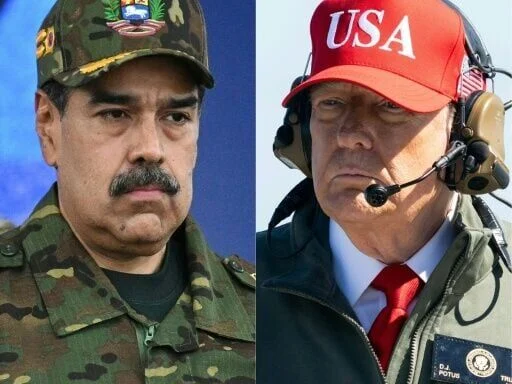
The explosions come amid sharply escalating tensions between Washington and Caracas, following recent inflammatory statements and unverified claims related to alleged U.S. military actions and regime-change operations. Although the United States has not confirmed any involvement in the incidents, the timing has intensified speculation and diplomatic friction.
U.S. officials have so far called for restraint and emphasized the importance of verified information, while avoiding direct comment on operational matters. Diplomatic sources say emergency consultations are underway as Washington assesses the situation and potential risks to U.S. citizens and interests in the region.
Government Response in Venezuela
The Venezuelan government has blamed what it calls “foreign-backed destabilization efforts,” accusing external actors of attempting to sow chaos and undermine national sovereignty. State media described the explosions as part of a broader campaign of psychological and economic pressure, though no evidence has been publicly presented to support these claims.
Opposition figures, meanwhile, urged transparency and demanded an independent investigation, warning that misinformation could inflame tensions and put civilians at further risk.
International Reaction
The international community responded cautiously. Several Latin American governments expressed concern and called for de-escalation and dialogue, stressing the need to protect civilian lives and respect international law. At the United Nations, officials reiterated appeals for calm and said they were monitoring developments closely.
European diplomats emphasized that any further escalation could have destabilizing consequences beyond Venezuela, particularly given the country’s economic fragility and humanitarian challenges.
Economic and Energy Implications
The reports of explosions in Caracas have already had market repercussions. Venezuela’s vast oil reserves make it a key player in global energy markets, and any threat to stability in the country can influence oil prices and investor sentiment. Analysts noted early signs of increased volatility as traders reacted to uncertainty and geopolitical risk.
Domestically, economists warn that renewed instability could worsen inflation, disrupt supply chains, and accelerate capital flight—pressures that Venezuelans have endured for years.
The Role of Information — and Misinformation
As with many fast-moving crises, information has been fragmented and often contradictory. Experts caution that social media videos and unverified claims can spread rapidly, amplifying fear and potentially prompting miscalculations by political leaders.
Security analysts stress the importance of waiting for confirmed details before assigning responsibility. “In moments like this, speculation can be as dangerous as the events themselves,” said one regional expert. “Clear communication is essential to avoid unintended escalation.”
What Happens Next?
Key questions remain unanswered:
- What caused the explosions, and were they coordinated?
- Were any strategic sites targeted?
- Will Venezuelan authorities release verified casualty and damage assessments?
- How will the United States and regional partners respond diplomatically?
In the coming days, observers expect increased diplomatic engagement, possible emergency meetings, and intensified calls for international mediation. Much will depend on whether further incidents occur and whether credible evidence emerges clarifying responsibility.
Conclusion
The reported explosions in Caracas mark a dangerous moment in the U.S.–Venezuela standoff, underscoring how quickly rhetoric and uncertainty can translate into real-world panic and risk. With facts still emerging and tensions running high, the priority for all sides remains de-escalation, transparency, and the protection of civilians. The world now watches closely to see whether diplomacy can contain the crisis—or whether the situation will slide into a more volatile and unpredictable phase.

Acerca del autor