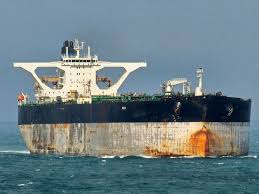
U.S. Seizes Two Ships Linked to Venezuelan Oil, Raising Sanctions Risks for Global Energy Markets
The United States has seized two vessels allegedly linked to Venezuela’s oil export network, one of them flying a Russian flag, in a move that reinforces Washington’s sanctions enforcement and sends a clear warning to global energy traders, shipping companies, and commodity investors. The action underscores the growing financial and geopolitical risks surrounding Venezuelan crude flows at a time when oil markets remain highly sensitive to supply disruptions.
According to U.S. authorities, the ships were involved in transporting or facilitating the sale of Venezuelan oil in violation of existing sanctions. While the operational details of the seizure have not been fully disclosed, the financial implications are already being felt across the energy and maritime sectors.
Impact on Venezuelan Oil Exports and Revenue
Venezuela’s economy remains heavily dependent on oil exports, which account for the vast majority of its hard currency income. Despite sanctions, the country has managed to keep crude exports flowing through complex shipping arrangements, intermediaries, and alternative buyers, particularly in Asia.
The seizure of two oil-linked vessels represents more than a symbolic enforcement action. From a financial perspective, it increases transaction costs for Venezuelan crude, limits available shipping capacity, and raises insurance premiums for tankers willing to operate in sanctioned routes. Each of these factors reduces net export revenues for state-owned PDVSA and complicates cash flow at a time when Venezuela is already struggling with chronic underinvestment and declining production capacity.
Market analysts note that even isolated enforcement actions can have an outsized effect on sanctioned oil flows. “The risk premium is the real weapon,” said one energy market strategist. “When ships get seized, financiers, insurers, and brokers pull back immediately.”
Shipping and Insurance Markets Under Pressure
The involvement of a Russian-flagged vessel adds another layer of financial complexity. Since the escalation of Western sanctions against Russia, vessels with Russian ties already face heightened scrutiny in global shipping markets. The seizure reinforces concerns among shipowners and charterers about secondary sanctions and asset confiscation.
As a result, freight rates for high-risk routes linked to sanctioned crude are likely to rise. Marine insurers may demand higher premiums or refuse coverage altogether, forcing traders to rely on smaller, older fleets operating outside mainstream financial systems. This trend typically reduces market transparency and liquidity, increasing volatility in oil pricing.
For shipping companies, the message is clear: compliance failures can now translate directly into asset losses, not just fines.
Oil Prices and Market Sentiment
In the short term, the seizure is unlikely to materially disrupt global oil supply, as Venezuelan exports represent a relatively small share of total world production. However, markets are forward-looking, and the broader signal matters.
Brent and WTI crude prices tend to react to enforcement actions when they suggest tighter supply conditions ahead. Traders will now reassess the reliability of Venezuelan barrels reaching international markets, particularly if further seizures or sanctions escalations follow.
At a time when oil markets are balancing slowing global demand against geopolitical supply risks, even marginal disruptions can shift sentiment. The perception of stricter U.S. enforcement could support oil prices by reinforcing downside supply risks, especially if similar actions target other sanctioned producers.
Implications for Energy Investors
For investors, the episode highlights the importance of geopolitical risk management in energy portfolios. Companies with exposure to Venezuelan crude trading, shipping, or refining face elevated compliance and reputational risks. On the other hand, stricter enforcement could indirectly benefit compliant producers by limiting sanctioned supply and supporting higher price floors.
Energy equities, particularly in North America, may see modest tailwinds if sanctions enforcement tightens global supply conditions. Meanwhile, refiners that rely on discounted Venezuelan crude could face higher input costs or sourcing challenges.
A Broader Financial Signal
Beyond oil, the seizure sends a broader signal to global markets: U.S. sanctions policy remains an active and enforceable tool, even as geopolitical attention is divided across multiple regions. For financial institutions, commodity traders, and logistics firms, the message is that sanctions compliance is not optional—and the cost of miscalculation is rising.
As enforcement actions intensify, investors should expect increased volatility in sanctioned commodity markets, higher risk premiums, and greater divergence between compliant and non-compliant supply chains.
In an already fragile global energy landscape, the seizure of two ships linked to Venezuelan oil serves as a reminder that geopolitics and finance remain deeply intertwined—and that regulatory risk can move markets just as powerfully as supply and demand.

Acerca del autor