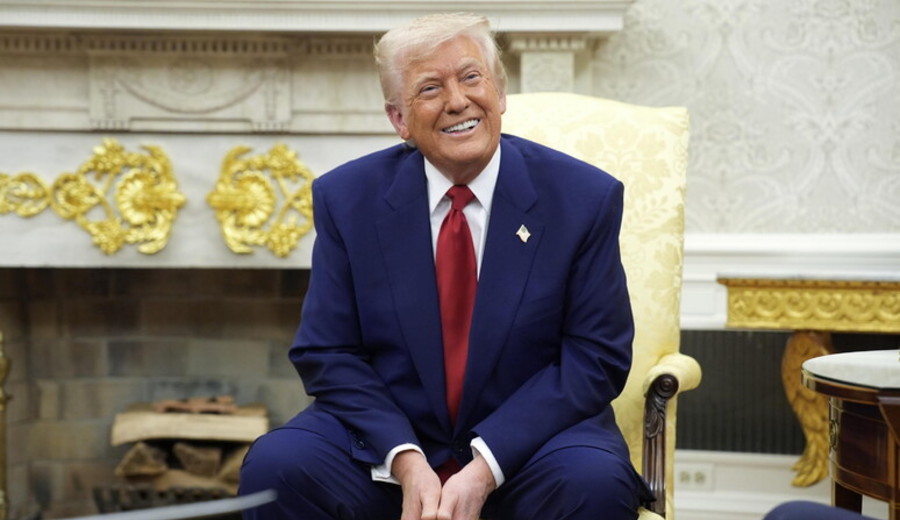
WASHINGTON, D.C. — January 8, 2026 — In a significant US Senate Venezuela resolution vote, the Senate narrowly approved a measure aimed at restricting Trump military action in Venezuela and reinforcing Congress’s constitutional role in authorizing warfare. The War Powers resolution passed by a vote of 52 to 47, marking a rare Senate rebuke of President Trump and signaling growing bipartisan concern over unchecked executive use of military force.
The resolution — spearheaded by Democratic Senator Tim Kaine (D-VA) with support from five Republican senators — would block future U.S. military attacks on Venezuela without explicit congressional authorization under the War Powers Act. If fully approved by both chambers and signed into law, the measure could significantly limit the president’s authority to deploy U.S. forces in Venezuelan territory or against Venezuelan targets.
Bipartisan Support and Political Fallout
While all Senate Democrats voted in favor, the resolution also attracted Republican votes from Senators Rand Paul, Lisa Murkowski, Susan Collins, Josh Hawley, and Todd Young, illustrating unusual cross-party skepticism of unilateral military engagement.
President Donald Trump responded sharply on social media, accusing dissenting Republicans of jeopardizing national security and warning that limiting executive power could hinder U.S. defense capabilities.
Background: Venezuela Military Actions and Congressional Oversight
The Senate’s decision comes in the aftermath of a controversial U.S. military operation in Caracas, where special forces captured Venezuelan President Nicolás Maduro. The Trump administration did not notify Congress in advance, prompting widespread criticism from lawmakers who argued that such actions violated the U.S. Constitution and circumvented Congressional authorization requirements.
Senators advocating for the resolution stressed that future attacks, troop deployments, or sustained military operations must be debated and approved by elected representatives, not unilaterally decided by the president.
Next Steps and Legal Challenges
Although the Senate vote is a major step, the resolution still needs to clear the House of Representatives and secure the president’s signature to become law. Given Trump’s clear opposition, lawmakers acknowledge that a presidential veto is likely, and overriding such a veto would require a two-thirds majority in both chambers — a high bar in the current political landscape.
Political analysts view the vote as a historic assertion of Congressional authority over war powers, with potential implications for U.S. foreign policy beyond Venezuela.

Acerca del autor