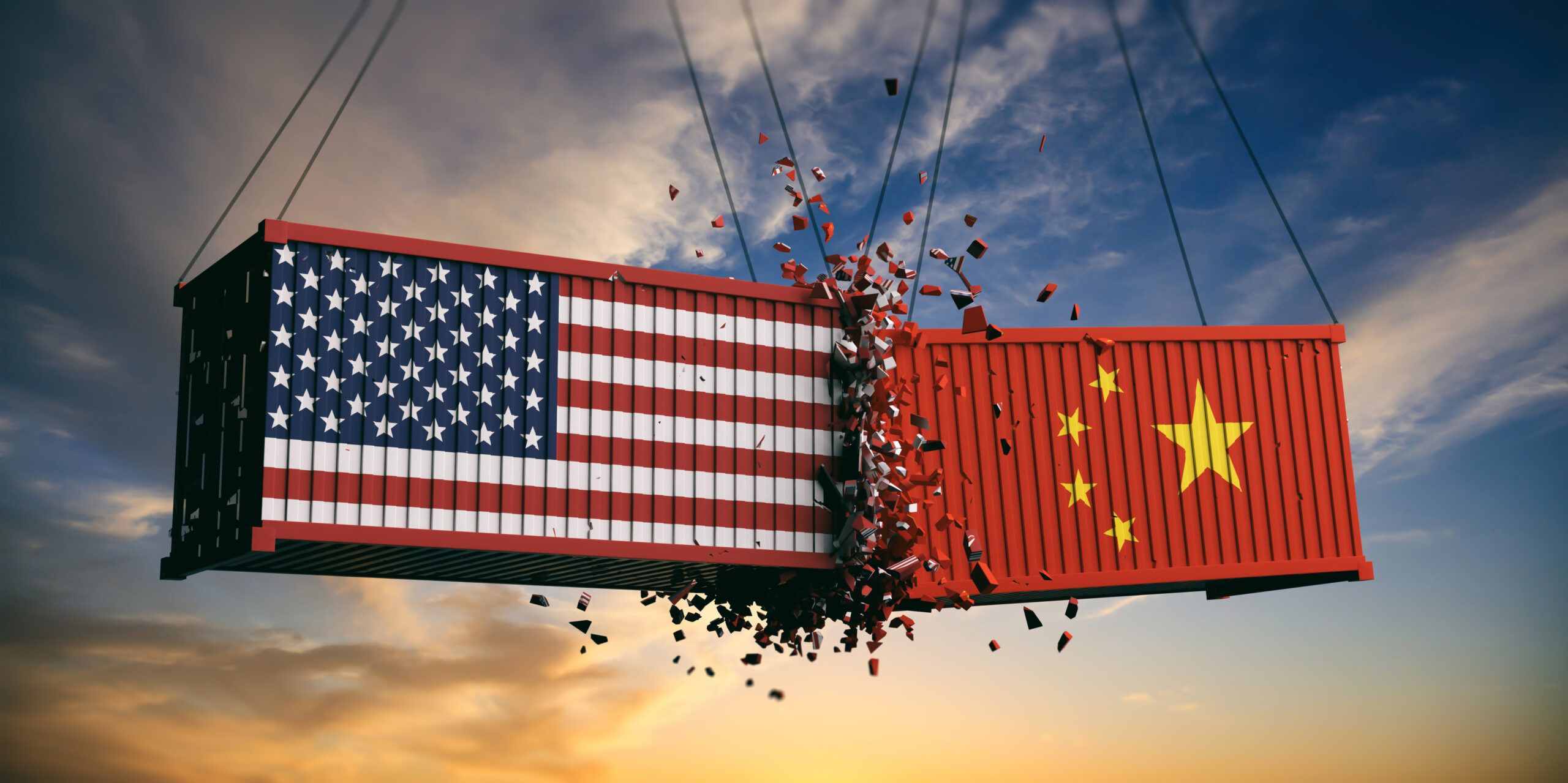
The AI Race: Key Differences Between the United States and China
The global race for artificial intelligence (AI) leadership is increasingly defined by competition between the United States and China. While both countries recognize AI as a cornerstone of future economic growth, national security, and geopolitical influence, their approaches, strengths, and challenges differ in fundamental ways. Understanding these differences is essential for investors, policymakers, and businesses navigating the rapidly evolving AI landscape.
Innovation Models: Open vs. State-Driven
One of the most significant differences in the U.S. vs. China AI race lies in how innovation is structured.
In the United States, AI development is largely driven by private-sector companies, startups, and research institutions. Firms such as Google, Microsoft, OpenAI, Meta, and Nvidia play a central role, supported by deep venture capital markets and close collaboration with top universities. This ecosystem encourages experimentation, competition, and rapid commercialization of new technologies.
China, by contrast, follows a more state-driven AI model. The government plays a direct role in setting strategic priorities, allocating funding, and guiding corporate activity. While this approach enables large-scale mobilization of resources, critics argue it can limit flexibility and slow breakthrough innovation.
Technology Leadership and AI Models
The United States currently leads in advanced AI models, particularly large language models (LLMs), generative AI, and foundation models. U.S. firms dominate global benchmarks in model performance, AI research output, and commercial deployment across cloud platforms and enterprise solutions.
China has made notable progress in AI applications, especially in areas such as facial recognition, e-commerce algorithms, fintech, and smart cities. However, Chinese leaders have publicly acknowledged a gap with the U.S. in cutting-edge AI research and foundational technologies.
Semiconductors: The Critical Bottleneck
Semiconductors represent one of the most decisive battlegrounds in the AI race.
The United States controls key segments of the global semiconductor ecosystem, including advanced chip design and AI accelerators. Companies like Nvidia, AMD, and Intel provide the hardware backbone for modern AI systems, while U.S. export controls have restricted China’s access to the most advanced chips.
China remains heavily dependent on foreign technology for high-end semiconductors. Despite massive investment in domestic chip manufacturing, the country continues to face challenges in producing advanced nodes required for next-generation AI development. This hardware gap is widely seen as a major constraint on China’s AI ambitions.
Talent and Research Ecosystems
AI leadership also depends on access to top global talent.
The U.S. benefits from its ability to attract researchers, engineers, and entrepreneurs from around the world. Its universities dominate AI research rankings, and its immigration system — despite political debates — continues to feed innovation hubs like Silicon Valley and Boston.
China produces a large number of STEM graduates and AI engineers, but competition for elite talent is intensifying. Restrictions on international collaboration and limited access to global research networks have added pressure to China’s talent pipeline.
Data, Regulation, and Ethics
China holds an advantage in data scale, thanks to its large population and integrated digital platforms. This has enabled rapid deployment of AI in consumer services, logistics, and surveillance technologies.
However, regulatory environments differ sharply. The U.S. has a relatively decentralized regulatory framework, allowing faster innovation but raising concerns about ethics, privacy, and misinformation. China enforces stricter data controls and centralized oversight, which can enhance security but also limit experimentation.
Capital Markets and Investment
U.S. capital markets provide unparalleled access to funding for AI startups and scale-ups. Venture capital, public markets, and private equity continue to fuel innovation across the AI value chain.
China has recently seen a resurgence in technology IPOs, signaling renewed investor interest. However, market volatility and regulatory uncertainty remain key risks, particularly for private AI companies seeking long-term global expansion.
Geopolitical Implications
The AI race is no longer just a technological competition; it is a geopolitical contest. AI leadership is increasingly linked to military capabilities, cybersecurity, economic influence, and global standards-setting.
The U.S. is working with allies to secure supply chains and establish AI governance frameworks, while China is pursuing technological self-sufficiency and regional influence. This divergence suggests that the AI ecosystem may become more fragmented over time.
Conclusion
The AI race between the United States and China reflects two distinct models of innovation, governance, and economic strategy. The U.S. currently holds a lead in advanced AI technologies, semiconductors, and research ecosystems, while China excels in scale, application deployment, and state-backed investment.
As artificial intelligence reshapes the global economy, the outcome of this competition will have far-reaching consequences. For now, the gap remains — but the race is accelerating, and its final chapter has yet to be written.

Acerca del autor