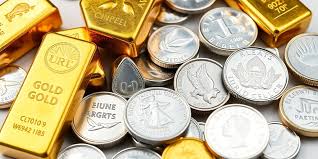
Why Investors Are Turning to Precious Metals: Gold, Silver, and Smart Strategies
As global financial uncertainty persists, more investors are exploring precious metals such as gold and silver as part of a diversified investment strategy. Historically viewed as safe-haven assets, these metals can offer portfolio protection during periods of market volatility, inflationary pressure, or geopolitical instability — trends that have dominated headlines and investor conversations alike. Whether you’re a seasoned investor or new to wealth-building strategies, understanding how to invest in precious metals can help you make more informed decisions that align with your financial goals.
📈 The Rising Appeal of Precious Metals
In recent years, precious metals have surged in value and popularity. Gold, for example, has reached record price levels amid shifting global dynamics, with experts pointing to its role as a store of value and hedge against risk. Similarly, silver — often more volatile than gold — has delivered impressive gains driven by both investment demand and expanding industrial use in sectors like electronics, renewable energy, and electric vehicles.
This dual nature — as a financial hedge and industrial commodity — makes precious metals particularly attractive in diversified portfolios, especially for investors seeking balance against traditional equities and bonds.
🧠 Why Precious Metals Matter in a Portfolio
Before diving into specific investment pathways, it’s important to understand the core reasons investors include precious metals in a broader strategy:
- Inflation hedge: Precious metals typically maintain purchasing power when currencies weaken or inflation rises.
- Low correlation: Metals often move independently of stocks and bonds, offering diversification benefits.
- Safe-haven demand: In times of geopolitical tension or economic stress, metals like gold historically retain or grow in value.
Each investor’s reasons differ, but these core benefits underpin why precious metals remain key tactical assets for many.
🛠️ How to Invest in Gold and Silver: Smart Strategies
There are several distinct ways to invest in precious metals, each with its own advantages, risks, and practical considerations. Below are the most common and strategic methods:
1. Physical Metals: Bullion, Bars, and Coins
Physical ownership — such as gold bars, bullion coins, or certified silver rounds — is the most direct way to invest. These tangible assets represent actual metal that you own outright.
Pros
- You own the metal directly.
- Useful as a crisis hedge when financial systems are disrupted.
- No exposure to counterparty risk.
Cons
- Higher premiums and transaction costs.
- Requires secure storage and insurance.
- Less liquid than financial instruments.
Physical precious metals can be purchased through reputable dealers, banks, or specialized brokers. Many investors begin with smaller coins (e.g., 1-ounce gold or smaller silver bars) to limit upfront costs while still gaining exposure.
2. Exchange-Traded Funds (ETFs) and ETCs
For investors who want market exposure without physical storage, Exchange-Traded Funds (ETFs) and Exchange-Traded Commodities (ETCs) are popular alternatives. These invest in or track the price of metals and are traded on major stock exchanges like ordinary shares.
Pros
- Highly liquid — easily bought or sold through a brokerage.
- No need for physical storage.
- Lower transaction costs compared with bullion premiums.
Cons
- Management fees can erode returns over time.
- You don’t physically own the metal itself.
- ETF price may slightly diverge from real metal pricing.
Gold and silver ETFs such as SPDR Gold Shares (GLD) or iShares Silver Trust (SLV) allow investors to gain exposure to metal prices efficiently.
3. Mining Stocks and Industry Funds
Buying shares in companies that mine precious metals — or funds composed of multiple mining stocks — is another way to participate in the metals market.
Pros
- Potential for higher returns if metal prices rise.
- Some mining companies pay dividends.
- Exposure to operational growth and earnings.
Cons
- Mining stocks can be more volatile than the metals themselves.
- Company-specific risks (management, operations, regulations).
- Correlation with broader stock market.
Investors can find diversified mining exposure through ETFs like VanEck Gold Miners ETF (GDX) or Global X Silver Miners ETF (SIL), which spread risk across multiple companies.
4. Futures and Derivatives (Advanced Strategy)
Futures contracts and CFDs (Contracts for Difference) allow sophisticated investors to speculate on metal price movements without owning the metal itself.
Pros
- Ability to leverage positions.
- Potential to profit from both rising and falling prices.
Cons
- Complex and risky — not suitable for beginners.
- Requires rigorous risk management and monitoring.
While these instruments offer flexibility, they demand a deep understanding of trading mechanics and should be approached with caution.
📊 Tips for Investing in Precious Metals
To maximize your potential success and minimize common pitfalls, consider these practical tips:
- Define your investment goal: Are you seeking inflation protection, wealth preservation, or speculative gains? Your objective guides which strategy fits best.
- Diversify across vehicles: A blend of physical metal, ETFs, and mining stocks often provides a balanced approach.
- Monitor market conditions: Price movements in precious metals respond to interest rates, currency strength, and economic data.
- Understand costs: Consider premiums, storage fees, and ETF expenses before investing.
- Manage allocation: Many advisors suggest allocating a modest percentage (often 5-10%) of your total portfolio to precious metals for diversification without overconcentration.
⚠️ Risks and Considerations
While precious metals offer unique benefits, they are not risk-free. Metals do not generate income like dividends or interest, and prices can fluctuate significantly. Volatility is especially notable in silver due to its dual role as both an industrial and investment metal.
Investors should also be aware of tax implications depending on jurisdiction, particularly on physical metal transactions and gains. Proper planning and consultation with a financial professional are advisable.
🧩 Conclusion: A Strategic Component in Modern Portfolios
In a world of economic shifts and financial uncertainty, precious metals remain relevant to many investment strategies — not as standalone solutions, but as complementary assets that can stabilize portfolios and hedge against risk.
Whether you start with physical gold bars, invest through ETFs, or include mining stocks, understanding these smart strategies allows investors to tailor their approach based on goals, risk tolerance, and market insight. In 2026 and beyond, the role of gold and silver within diversified, resilient portfolios continues to be a topic worth exploring.

Acerca del autor