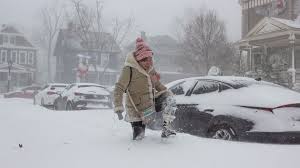
Extreme Cold Alert as Snowstorm Hits: Cities at Risk of Temperatures Plunging to –55°C
A powerful winter storm sweeping across vast regions of the Northern Hemisphere has triggered extreme cold alerts, with meteorologists warning that temperatures in some cities could plunge to –55°C (–67°F) when wind chill is taken into account. Authorities are urging residents to prepare for life-threatening conditions, widespread travel disruptions, and severe impacts on infrastructure.
A Historic Cold Wave Unfolds
According to weather agencies, the current snowstorm is being driven by a polar air mass descending rapidly from the Arctic. This phenomenon, often referred to as a polar vortex outbreak, is pushing temperatures far below seasonal averages across parts of North America, Northern Europe, and Siberia.
In several locations, actual air temperatures are expected to fall below –40°C, while strong winds of up to 80 km/h could make it feel closer to –55°C, creating dangerous frostbite risks in minutes.
Meteorologists describe this as one of the most intense cold events in recent years, with records potentially at risk in some cities.
Cities Most at Risk
Weather models highlight several urban areas that could experience the harshest conditions:
- Central and Western Canada, including parts of Manitoba, Saskatchewan, and Alberta
- Northern U.S. states, such as North Dakota, Minnesota, and Montana
- Scandinavian regions, particularly northern Sweden and Finland
- Western and Central Siberia, where extreme cold is already a regular but increasingly intense occurrence
In these areas, authorities have issued red-level cold warnings, advising residents to limit outdoor exposure and ensure emergency supplies are readily available.
Severe Risks to Health and Safety
Extreme cold of this magnitude poses serious health threats, especially to vulnerable populations such as the elderly, children, and the homeless. Medical experts warn that frostbite can develop in under five minutes, while hypothermia can become fatal without rapid intervention.
Emergency services are bracing for an increase in:
- Cold-related medical emergencies
- Power outages caused by frozen infrastructure
- Vehicle failures due to thickened engine fluids
- Disruptions to rail, road, and air travel
Several cities have opened emergency warming centers and temporary shelters, while utility companies are on high alert to prevent large-scale blackouts.
Economic and Infrastructure Impact
Beyond public safety, the cold snap is expected to have significant economic consequences. Energy demand is surging as households and businesses increase heating usage, placing strain on electric grids and natural gas supplies.
Logistics and supply chains are also under pressure. Frozen rail switches, icy highways, and grounded flights could lead to delays in goods transportation, affecting industries ranging from retail to manufacturing.
Financial analysts note that prolonged cold events often lead to short-term spikes in energy prices, particularly for natural gas and heating oil.
Climate Context: Why Extremes Are Increasing
Climate scientists point out that while cold waves may seem contradictory to global warming, climate change can destabilize polar weather patterns, making extreme cold outbreaks more frequent and unpredictable.
The weakening of the polar jet stream allows Arctic air to push farther south than usual, resulting in short but severe cold events like the one currently unfolding.
Experts emphasize that such extremes—both hot and cold—are becoming a defining feature of modern climate dynamics.
What Authorities Recommend
Officials advise residents in affected regions to:
- Avoid unnecessary travel
- Dress in multiple thermal layers if going outdoors
- Keep emergency kits with food, water, and batteries
- Check on vulnerable neighbors and family members
- Follow updates from official weather services
As the storm continues to evolve, meteorologists stress that conditions could change rapidly, making real-time updates essential.
Outlook for the Coming Days
Forecasts suggest that the extreme cold will persist for several days before gradually easing. However, additional snow systems may follow, prolonging hazardous conditions in some regions.
Authorities continue to monitor the situation closely, warning that this winter storm could leave a lasting impact on communities, infrastructure, and energy markets.

Acerca del autor