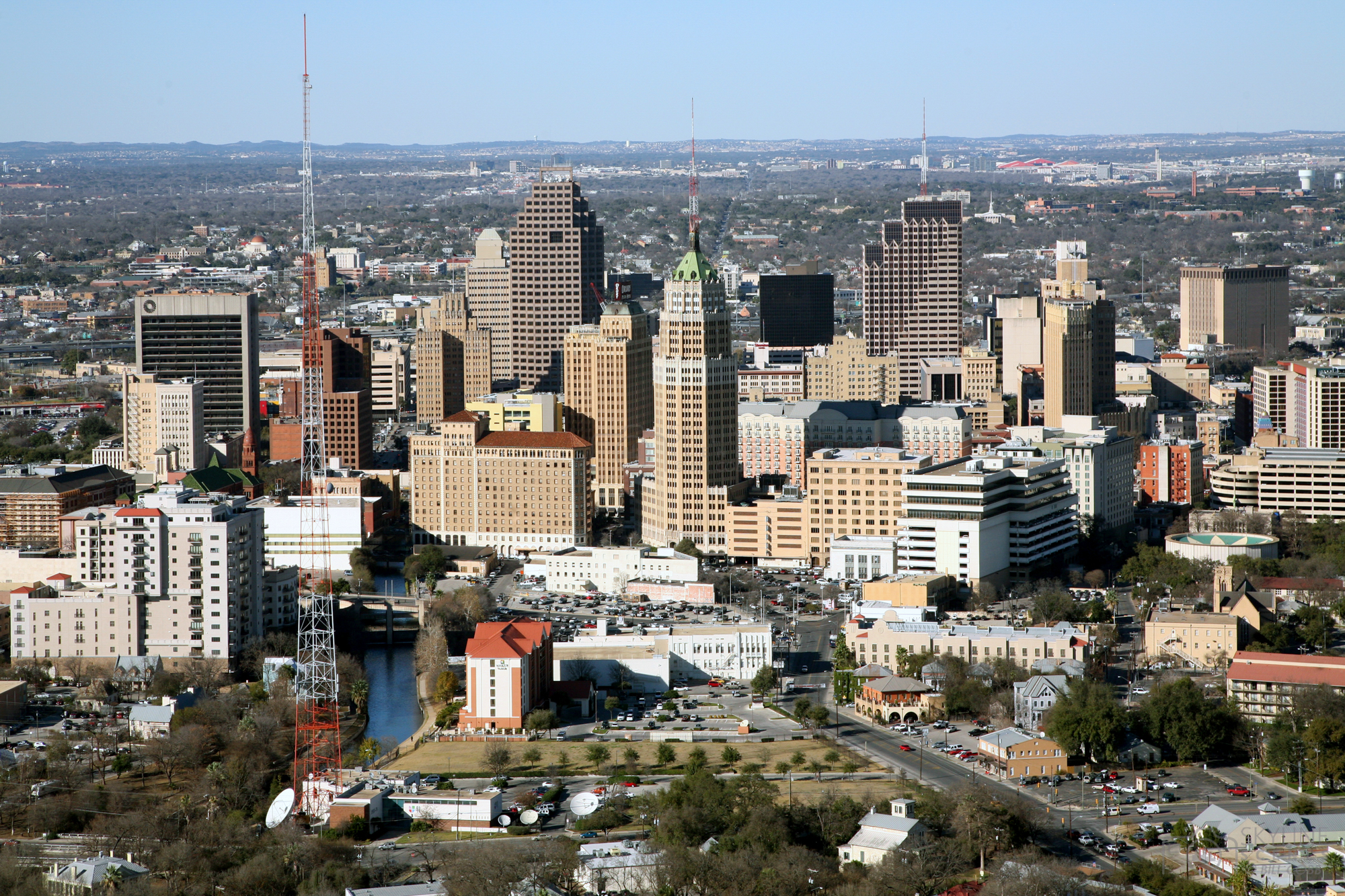
Aerial of The Dowtown San Antonio, Texas
U.S. Population Growth Slows to Post-Pandemic Low as Immigration Falls 54%
U.S. population growth has slowed to its weakest pace since the COVID-19 pandemic, driven largely by a sharp decline in immigration that fell by 54% year over year, according to the latest demographic data. The slowdown highlights growing structural challenges for the world’s largest economy, including labor shortages, aging demographics, and long-term growth constraints.
After rebounding strongly in the years following the pandemic, U.S. population growth is once again losing momentum. Analysts point to immigration as the key factor behind the deceleration, as tighter border controls, policy uncertainty, and slower global migration flows significantly reduced the number of new arrivals.
Immigration Decline Reshapes Demographic Trends
Immigration has historically been a major driver of U.S. population growth, helping to offset declining birth rates and an aging workforce. The latest figures show that the sharp drop in immigration is now having a measurable impact on overall population expansion, pushing growth to levels not seen since the height of the pandemic disruptions.
Demographers warn that without stronger immigration inflows, population growth could remain subdued for years, placing additional pressure on labor markets and public finances. In recent decades, foreign-born workers have played a crucial role in sectors such as healthcare, construction, agriculture, and technology.
Economic Implications for the U.S. Labor Market
Slower population growth raises concerns about labor supply at a time when many industries already face worker shortages. Economists note that reduced immigration could constrain economic expansion, limit productivity gains, and contribute to higher wage pressures, complicating the Federal Reserve’s efforts to control inflation.
Businesses have increasingly relied on immigrant labor to sustain growth, particularly as birth rates among native-born Americans continue to decline. The combination of lower fertility and reduced immigration intensifies fears of a shrinking working-age population over the long term.
Political and Policy Uncertainty Weighs on Migration
The steep fall in immigration also reflects heightened political polarization around immigration policy. Ongoing debates over border security, asylum rules, and visa programs have created uncertainty for migrants and employers alike, slowing legal and irregular migration flows.
At the same time, global factors such as weaker economic conditions in key source countries and changing migration patterns have contributed to the slowdown. Experts caution that reversing the trend will require comprehensive immigration reform and clearer pathways for legal migration.
A Demographic Turning Point
While natural population increase — the difference between births and deaths — remains positive, it is no longer sufficient to sustain robust growth on its own. The U.S. birth rate remains near historic lows, reinforcing the country’s growing dependence on immigration to maintain demographic and economic dynamism.
Looking ahead, policymakers and economists will closely monitor immigration trends as a key indicator of the U.S. economy’s long-term potential. Without a recovery in migration flows, the current slowdown in population growth could mark a lasting shift rather than a temporary post-pandemic adjustment.

Acerca del autor