One Month After U.S. Capture: How Nicolás Maduro’s Legal Defense and Political Strategy Are Evolving in a High-Stake Global Crisis
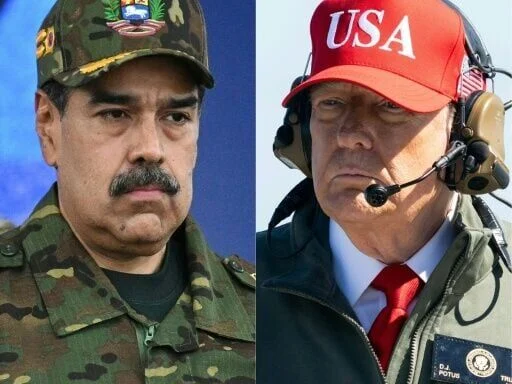
Exactly one month after Venezuelan leader Nicolás Maduro was forcibly taken into U.S. custody in a dramatic military operation, the former president’s legal strategy and political posture reflect a complex blend of international law challenges, domestic narratives, and geopolitical tension. His situation — now under intense scrutiny in U.S. courts and global media — underscores a multifaceted crisis with implications far beyond Caracas and Washington.
From Military Capture to Courtroom Defense
On January 3, 2026, U.S. military forces carried out an operation in Caracas that ended in Maduro’s capture, along with his wife Cilia Flores. The assault involved elite units and marked an unprecedented action against a sitting head of state. Maduro was flown to New York and charged with multiple counts including narcoterrorism, cocaine trafficking, and weapons offenses under longstanding U.S. indictments.
In his first court appearance, Maduro pleaded not guilty to the charges and described himself as a “prisoner of war” and a victim of illegal abduction. His defense frames the incident not as lawful custody but as an unlawful kidnapping that violates international norms of sovereignty and diplomatic immunity. This argument will likely play a central role as the case advances in federal courts.
International Legal Questions at the Forefront
Maduro’s legal team has emphasized two primary defense pillars:
1. Sovereign immunity of heads of state:
Legal experts interpret traditional principles of international law to protect sitting heads of state from prosecution in foreign courts without explicit consent. The Maduro camp and allied governments have underscored this point, arguing that his transfer to U.S. jurisdiction lacked Venezuela’s consent and therefore violated accepted diplomatic protections.
2. Legitimacy of the military operation:
Maduro’s defense contends that no valid extradition treaty or legal framework justified the U.S. military’s presence on Venezuelan soil, bolstering a narrative that his detention was extra-legal. While the U.S. asserts the operation was a legitimate law enforcement action on longstanding indictments, the legal battle over what constitutes due process and lawful jurisdiction is still unfolding.
These questions extend beyond Maduro himself and raise broader implications for international law, state sovereignty, and the limits of unilateral cross-border enforcement actions.
Venezuelan Government and Domestic Messaging
Back in Venezuela, the political ecosystem has swung into defensive mode. Vice President Delcy Rodríguez and other senior officials have denounced Maduro’s capture as an “abduction” and an attempt by the United States to subjugate the nation. Rodríguez has called for unity and resistance against what she labelled an “imperialist empire,” asserting that Maduro remains the legitimate head of state despite detention.
This framing serves multiple strategic purposes:
- Domestic legitimacy: Bolstering the narrative of U.S. aggression reinforces loyalty among Maduro’s remaining supporters.
- International diplomacy: By portraying Venezuela as a victim of foreign intervention, Maduro’s allies aim to rally global partners — particularly in Latin America, Africa, and non-aligned states — to condemn the U.S. action and push for his release or legal protections.
- Political survival: Amid internal fractures within Venezuelan institutions, this rhetoric seeks to maintain cohesion within the military and party apparatus by invoking national sovereignty and external threat.
Geopolitical Ripples and Regional Reactions
Maduro’s capture has triggered a wave of global responses. Some countries have criticized the U.S. action as a violation of international law and an assault on sovereignty. Russia and other allied nations have publicly condemned the raid and demanded proof of life for Maduro and Cilia Flores, while calling for their immediate release.
On the other hand, certain Venezuelan opposition figures and regional leaders supportive of regime change have seen the operation as enforcement of accountability, framing it as a lawful application of justice against alleged systemic criminality.
The U.S. Strategy: Law Enforcement or Political Leverage?
The U.S. government maintains the operation—including military involvement—was rooted in longstanding legal indictments for serious crimes such as narcoterrorism and organized criminal activity. U.S. officials argue the move aligns with legal frameworks to bring indicted individuals to justice and is not a declaration of war.
However, critics — including legal scholars and international observers — have flagged concerns about the broader implications of using military force to apprehend a foreign head of state, especially when diplomatic and extradition avenues exist. These debates have already surfaced in international legal forums and could shape how global institutions respond to future cross-border enforcement actions.
Looking Ahead: What Comes Next
As Maduro’s U.S. trial progresses, observers expect several key developments:
- Complex legal disputes: Challenges over sovereign immunity and jurisdiction could become defining features of the trial.
- Diplomatic escalation: Continued condemnation or support from international actors may influence both legal proceedings and geopolitical alignments.
- Domestic Venezuelan stability: The political vacuum and power dynamics within Venezuela will remain fragile and contested.
One month into this unprecedented crisis, Nicolás Maduro’s case stands at the intersection of law, geopolitics, and nationalism — and will likely continue to shape debates about global norms, the limits of unilateral power, and the future of Venezuelan governance.

Acerca del autor