Growing reliance on AI chatbots raises serious health concerns, researchers say
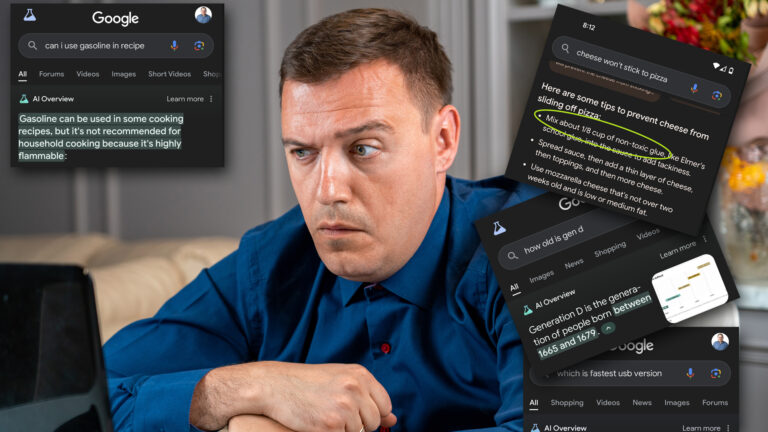
A growing number of people are turning to artificial intelligence chatbots to seek medical advice, diagnose symptoms, and decide whether to consult a doctor. However, a new study warns that this trend may carry significant health risks, especially when AI-generated responses are mistaken for professional medical guidance.
The research, conducted by an international team of medical experts and digital health researchers, highlights how popular AI chatbots can provide incomplete, misleading, or even dangerous health information, potentially delaying proper diagnosis and treatment.
As AI tools become increasingly accessible and conversational, researchers argue that users may overestimate their reliability — a misconception that could have real-world consequences.
AI chatbots are not doctors — but many users treat them as such
According to the study, millions of users worldwide now consult AI chatbots before visiting a healthcare professional. In Spain and across Europe, this behavior has accelerated due to long waiting times in public healthcare systems and the convenience of instant, free responses.
The problem, researchers say, is that chatbots are designed to generate plausible answers, not to practice medicine. While they can summarize medical information or explain general concepts, they lack access to patient history, physical examination, and diagnostic testing — all essential components of safe medical decision-making.
“Chatbots can sound confident and empathetic, which creates a false sense of security,” the study notes. “But confidence does not equal accuracy.”
Inconsistent and sometimes incorrect medical guidance
The researchers tested several widely used AI chatbots by presenting them with identical symptom descriptions. The results showed significant variability in responses, ranging from reasonable advice to suggestions that underestimated potentially serious conditions.
In some cases, chatbots failed to recommend urgent medical attention for symptoms that would normally require immediate evaluation, such as chest pain, neurological deficits, or signs of infection. In others, they offered overly generic advice that lacked clarity or actionable guidance.
This inconsistency, the study warns, can confuse users and encourage self-diagnosis — a practice long discouraged by medical professionals.
Risk of delayed diagnosis and treatment
One of the most concerning findings is the potential for delayed medical care. When users rely on chatbot advice that minimizes symptoms or suggests waiting, serious conditions may go untreated.
The study highlights scenarios where users reported using AI advice to decide against visiting emergency services or postponing appointments with their doctors. In healthcare, delays can be critical, particularly for conditions such as heart disease, stroke, cancer, or severe infections.
Researchers emphasize that even small delays can significantly worsen outcomes.
Lack of accountability and regulatory oversight
Unlike licensed healthcare professionals, AI chatbots are not legally accountable for the advice they provide. While many platforms include disclaimers stating that their responses are for informational purposes only, the study argues that such warnings are often ignored or misunderstood by users.
Regulatory frameworks for AI in healthcare remain fragmented, especially in Europe. Although the European Union is advancing AI regulation, consumer-facing chatbots often fall into gray areas, where oversight is limited.
The researchers call for clearer rules on how AI health information is presented and stronger safeguards to prevent misuse.
The psychological impact of AI-generated health advice
Beyond medical accuracy, the study also explores the psychological effects of consulting AI for health concerns. Chatbots may unintentionally amplify anxiety by listing multiple serious conditions or, conversely, provide false reassurance.
For vulnerable users, including those with health anxiety or chronic illness, this dynamic can worsen mental well-being. The absence of human judgment and emotional nuance makes it difficult for AI systems to respond appropriately in sensitive situations.
Medical professionals warn that empathy without clinical responsibility can be dangerous.
When AI can still be useful in healthcare
Despite the risks, the study does not argue against the use of AI in healthcare altogether. Instead, it emphasizes that chatbots can be helpful when used correctly.
Appropriate uses include:
- Explaining medical terminology
- Summarizing public health guidelines
- Helping patients prepare questions for doctors
- Supporting administrative tasks
Used as a supplementary tool rather than a decision-maker, AI can enhance patient understanding and engagement without replacing professional care.
Educating users is key
The authors stress that public education is essential. Users must understand the limitations of AI chatbots and recognize when professional medical advice is necessary.
Healthcare institutions, technology companies, and policymakers share responsibility for ensuring that AI tools are transparent about what they can and cannot do. Clear language, prominent warnings, and built-in prompts encouraging medical consultation are among the recommendations.
A cautionary moment for digital health
As artificial intelligence becomes embedded in everyday life, its role in healthcare demands careful scrutiny. The study serves as a timely reminder that convenience should not come at the cost of safety.
AI chatbots may offer fast answers, but when it comes to medical advice, speed should never replace expertise. For now, researchers conclude, chatbots should remain assistants — not substitutes — in healthcare decision-making.

NextGenInvest is an independent publication covering global markets, artificial intelligence, and emerging investment trends. Our goal is to provide context, analysis, and clarity for readers navigating an increasingly complex financial world.
By Juanma Mora
Financial & Tech Analyst
Acerca del autor