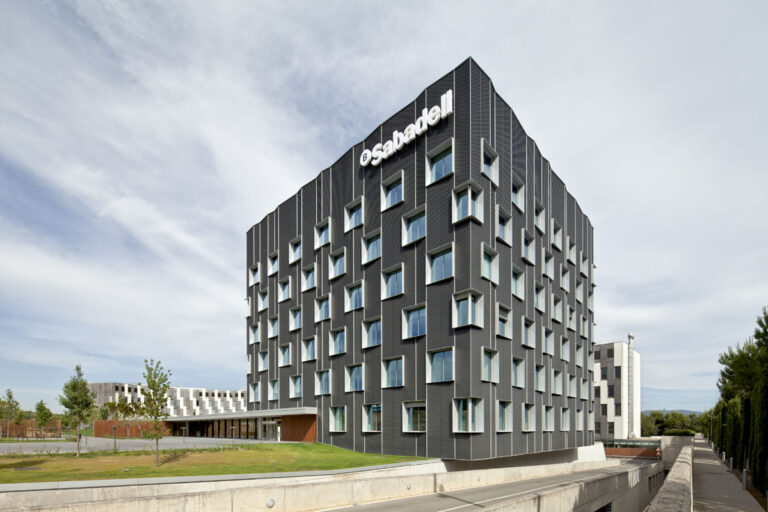
Artificial Intelligence (AI) as a Driver of Corporate Sustainability
Artificial Intelligence (AI) is rapidly transforming the global business landscape, but beyond automation and productivity gains, it is emerging as a powerful engine for corporate sustainability. From optimizing energy consumption to reducing supply chain emissions and enabling smarter resource allocation, AI is reshaping how companies pursue environmental, social, and governance (ESG) objectives.
As climate regulations tighten and investors increasingly prioritize sustainable business models, AI is becoming a strategic asset—not just a technological upgrade.
AI and Energy Efficiency: Cutting Emissions Through Data
One of the most significant contributions of AI to sustainability lies in energy optimization. Machine learning algorithms analyze vast datasets in real time to detect inefficiencies in manufacturing processes, office buildings, and data centers.
Smart systems can:
- Automatically adjust heating, cooling, and lighting based on occupancy patterns
- Optimize electricity consumption during peak and off-peak hours
- Predict maintenance needs to reduce energy waste
For large corporations operating global facilities, even a 5–10% improvement in energy efficiency can translate into millions of euros in savings and substantial reductions in carbon emissions.
In sectors such as manufacturing and logistics, predictive analytics powered by AI reduces downtime, improves operational efficiency, and minimizes unnecessary resource consumption—aligning profitability with environmental responsibility.
Smarter Supply Chains and Lower Carbon Footprints
Supply chains account for a significant portion of corporate emissions. AI is helping companies redesign their logistics networks by analyzing transportation routes, supplier data, and demand forecasts to minimize fuel usage and waste.
Advanced AI platforms can:
- Recommend optimized shipping routes to reduce fuel consumption
- Identify suppliers with lower environmental impact
- Forecast demand more accurately to avoid overproduction
By integrating sustainability metrics directly into procurement and logistics decisions, businesses can reduce Scope 3 emissions while maintaining cost efficiency.
AI in Renewable Energy and Smart Grids
The global transition to renewable energy depends heavily on intelligent systems capable of balancing fluctuating supply and demand. Solar and wind energy production varies based on weather conditions, making real-time data analysis essential.
AI-driven smart grids can:
- Predict renewable energy generation levels
- Optimize battery storage distribution
- Balance energy loads to prevent grid instability
This integration supports both corporate sustainability strategies and national climate targets. Companies investing in renewable energy projects increasingly rely on AI to maximize efficiency and long-term returns.
ESG Reporting and Regulatory Compliance
Sustainability reporting has become a core requirement for publicly traded companies. Investors and regulators demand transparency on emissions, environmental impact, and social responsibility initiatives.
AI tools simplify this complex process by:
- Automating carbon accounting
- Tracking emissions across multiple subsidiaries
- Generating real-time ESG dashboards
- Identifying compliance risks
By automating data collection and analysis, AI improves the accuracy of sustainability reporting while reducing administrative costs. This is particularly valuable in regions implementing stricter disclosure regulations.
Innovation and Sustainable Product Design
Beyond operational efficiency, AI is accelerating innovation in sustainable product development. Companies use AI simulations to test eco-friendly materials, optimize packaging design, and reduce raw material consumption before physical production begins.
For example:
- AI models can simulate product lifecycles to minimize waste
- Predictive analytics can identify recyclable material combinations
- Design algorithms reduce excess packaging without compromising durability
This approach reduces environmental impact while enhancing brand value and consumer trust.
The Business Case: Sustainability as a Competitive Advantage
Corporate sustainability is no longer merely a reputational strategy—it is a competitive differentiator. Investors increasingly evaluate companies based on ESG performance, and consumers show growing preference for environmentally responsible brands.
AI strengthens this advantage by providing:
- Data-driven sustainability targets
- Measurable performance improvements
- Transparent reporting for stakeholders
Organizations that effectively integrate AI into sustainability strategies often achieve both cost savings and stronger brand positioning.
Challenges and Ethical Considerations
While AI contributes significantly to sustainability, it also presents challenges. Data centers powering AI models require substantial energy consumption. Companies must ensure that AI development itself aligns with renewable energy sourcing and carbon-neutral commitments.
Additionally, ethical AI deployment is essential. Transparent algorithms, responsible data use, and governance frameworks must accompany sustainability efforts to avoid unintended social consequences.
Balancing innovation with responsibility will determine whether AI becomes a net-positive force in global sustainability.

The Future of AI-Driven Sustainability
Looking ahead, AI is expected to play a pivotal role in achieving global climate goals. As machine learning models grow more sophisticated, companies will be able to predict environmental risks, optimize circular economy practices, and integrate sustainability into core strategic decisions.
Industries such as agriculture, transportation, construction, and energy are already witnessing the integration of AI-driven environmental solutions. As costs decrease and adoption expands, sustainability powered by AI may shift from competitive advantage to operational necessity.
Conclusion: A Strategic Imperative
Artificial Intelligence is no longer confined to boosting productivity or automating tasks. It is becoming a central pillar of corporate sustainability strategies, enabling measurable emissions reductions, operational efficiency, and regulatory compliance.
For businesses aiming to remain competitive in a rapidly evolving economic environment, integrating AI into sustainability initiatives is not optional—it is strategic. As climate action intensifies globally, the companies that harness AI effectively will likely lead the next generation of sustainable growth.

NextGenInvest is an independent publication covering global markets, artificial intelligence, and emerging investment trends. Our goal is to provide context, analysis, and clarity for readers navigating an increasingly complex financial world.
By Juanma Mora
Financial & Tech Analyst
Acerca del autor