
Artificial Intelligence (AI) is one of the fastest-growing industries in the world. From healthcare and finance to cybersecurity and robotics, companies are racing to hire professionals with AI expertise. If you want to work in Artificial Intelligence, knowing what to study, which skills to develop, and which career paths offer the best opportunities is essential.
The global demand for AI engineers, data scientists, and machine learning specialists continues to rise, with salaries significantly above average in most developed economies. But entering the AI field requires more than enthusiasm—it demands strategic education and technical preparation.
Here’s what you need to study to build a successful AI career in 2026 and beyond.
🎓 1. Start with a Strong Educational Foundation



4
Most AI professionals begin with degrees in:
- Computer Science
- Software Engineering
- Data Science
- Mathematics
- Physics
- Electrical Engineering
A bachelor’s degree is typically the first step, but many advanced AI roles require a master’s degree or even a PhD, especially in research-heavy areas like deep learning or natural language processing.
Key subjects to focus on include:
- Programming fundamentals
- Algorithms and data structures
- Linear algebra
- Probability and statistics
- Calculus
Mathematics forms the backbone of Artificial Intelligence. Understanding mathematical models is crucial for building and optimizing machine learning systems.
💻 2. Learn Essential Programming Languages


4
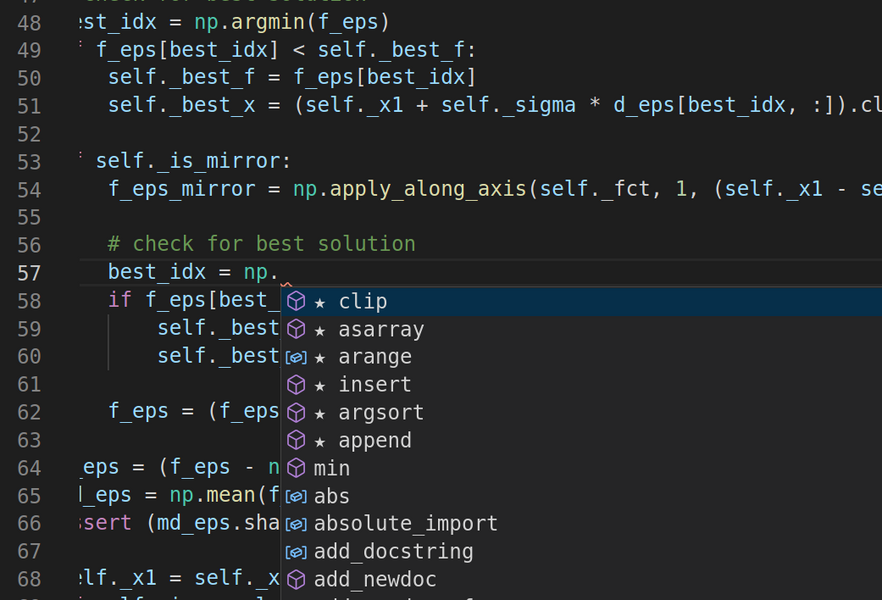
If you want to work in AI, programming skills are non-negotiable.
The most important languages include:
- Python (the dominant language in AI and machine learning)
- R (for statistical analysis)
- Java or C++ (for performance-heavy systems)
- SQL (for database management)
Python is especially critical because of its extensive AI libraries such as TensorFlow, PyTorch, Scikit-learn, and Keras.
Mastering Python allows you to build machine learning models, automate data analysis, and develop AI-powered applications.
🧠 3. Specialize in Machine Learning and Deep Learning


4
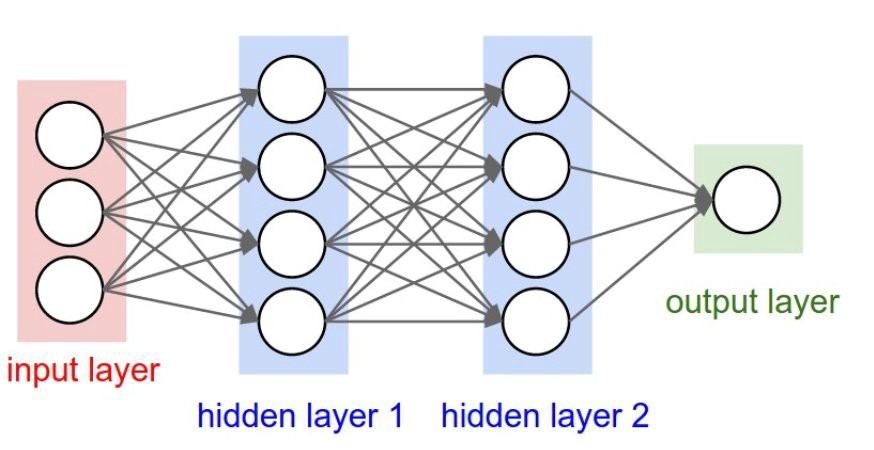
Artificial Intelligence has several subfields, but Machine Learning (ML) is at the core of most modern AI systems.
Important areas to study include:
- Supervised and unsupervised learning
- Neural networks
- Deep learning
- Natural Language Processing (NLP)
- Computer vision
- Reinforcement learning
Online platforms now offer specialized AI certifications and courses from top universities, making it easier than ever to gain advanced knowledge.
Hands-on practice is essential. Employers look for candidates who can demonstrate real-world projects, not just theoretical knowledge.
📊 4. Develop Data Science and Analytical Skills
AI systems rely on large datasets. Understanding how to clean, process, and interpret data is fundamental.
Skills to master:
- Data visualization
- Feature engineering
- Data preprocessing
- Statistical modeling
- Big data tools (such as Hadoop or Spark)
Strong analytical thinking separates average developers from top-tier AI professionals.
🤖 5. Explore Emerging AI Career Paths


4
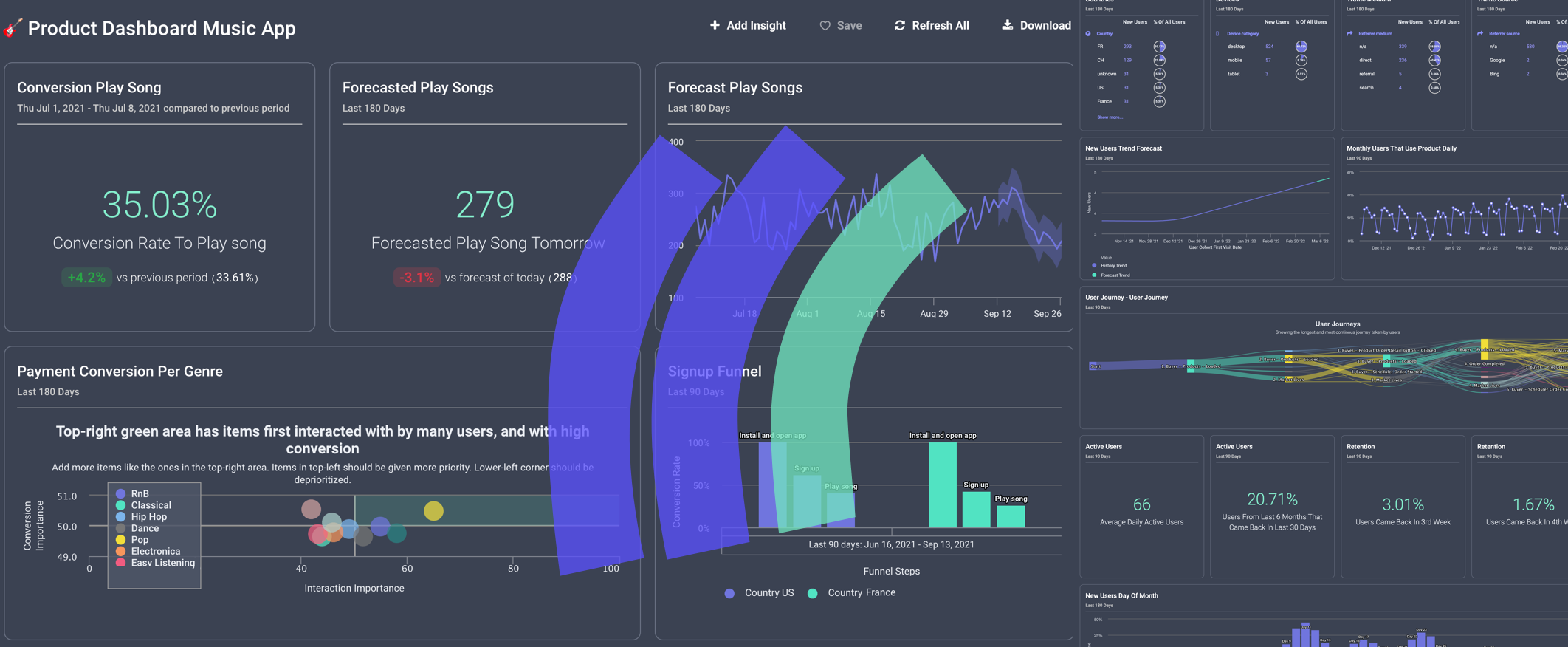
Artificial Intelligence is not a single job—it is a broad ecosystem of career paths.
Some of the most in-demand AI roles in 2026 include:
- AI Engineer
- Machine Learning Engineer
- Data Scientist
- AI Researcher
- Robotics Engineer
- AI Product Manager
- Prompt Engineer
- AI Ethics Specialist
AI ethics and governance are becoming increasingly important as governments introduce regulations around data privacy and algorithm transparency.
🌍 Soft Skills Matter Too
While technical skills are critical, soft skills are equally important in AI careers:
- Problem-solving ability
- Communication skills
- Team collaboration
- Adaptability
- Ethical awareness
AI projects often require interdisciplinary teams. Being able to explain complex algorithms in simple terms is a valuable skill.
📈 Salary Expectations and Industry Demand
AI professionals are among the highest-paid tech workers globally. Salaries vary by region and specialization, but experienced AI engineers frequently earn six-figure incomes in the United States and competitive salaries across Europe and Asia.
Industries actively hiring AI talent include:
- Finance and fintech
- Healthcare and biotech
- Autonomous vehicles
- Cybersecurity
- E-commerce
- Renewable energy
The demand for Artificial Intelligence professionals is expected to grow significantly over the next decade.
🔑 Practical Steps to Launch Your AI Career
If you want to start working in AI, consider these actionable steps:
- Choose a relevant degree program.
- Master Python and machine learning libraries.
- Build personal AI projects and upload them to GitHub.
- Participate in AI competitions (such as Kaggle).
- Complete internships in tech companies.
- Stay updated on AI trends and regulations.
Continuous learning is essential in the rapidly evolving AI industry.
🌟 Final Thoughts
Working in Artificial Intelligence offers exciting opportunities, strong salary potential, and long-term career stability. However, it requires dedication, technical training, and ongoing education.
By focusing on mathematics, programming, machine learning, and data science, you can position yourself at the forefront of one of the most transformative industries of the 21st century.
If you are passionate about technology and innovation, now is the perfect time to start preparing for a career in Artificial Intelligence.

NextGenInvest is an independent publication covering global markets, artificial intelligence, and emerging investment trends. Our goal is to provide context, analysis, and clarity for readers navigating an increasingly complex financial world.
By Juanma Mora
Financial & Tech Analyst
Acerca del autor