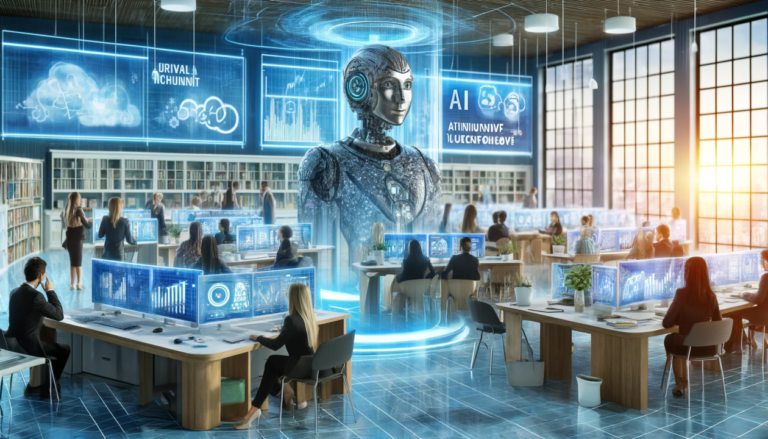
Artificial Intelligence is entering a new phase. Beyond chatbots and predictive analytics, the next frontier is AI-powered autonomous agents — intelligent systems capable of making decisions, executing tasks, and optimizing operations with minimal human intervention. In 2026, businesses across industries are rapidly integrating AI agents into their workflows, transforming productivity, cost efficiency, and innovation.
The future of business is no longer just digital — it is autonomous.
🤖 What Are AI Agents and Why They Matter

4
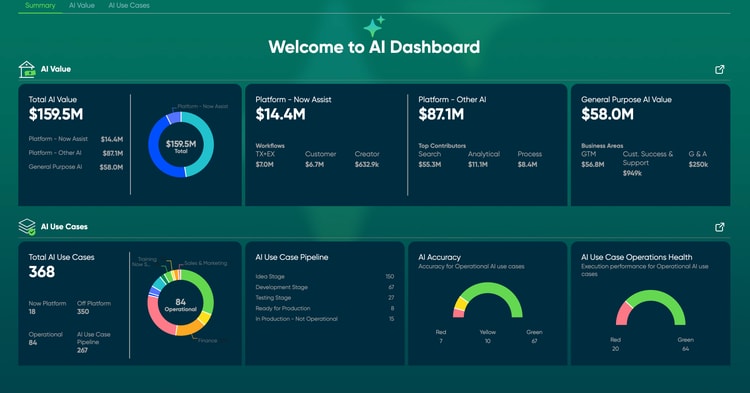
AI agents are advanced systems designed to independently perform tasks, analyze data, learn from outcomes, and adapt strategies in real time. Unlike traditional automation tools that follow predefined rules, AI agents:
- Make context-based decisions
- Learn from new data inputs
- Execute multi-step workflows
- Communicate with other digital systems
- Continuously optimize performance
In business environments, AI agents can manage customer service, monitor supply chains, execute marketing campaigns, analyze financial risk, and even support strategic decision-making.
This evolution marks a shift from simple automation to intelligent autonomy.
📈 How AI Agents Are Transforming Industries

4
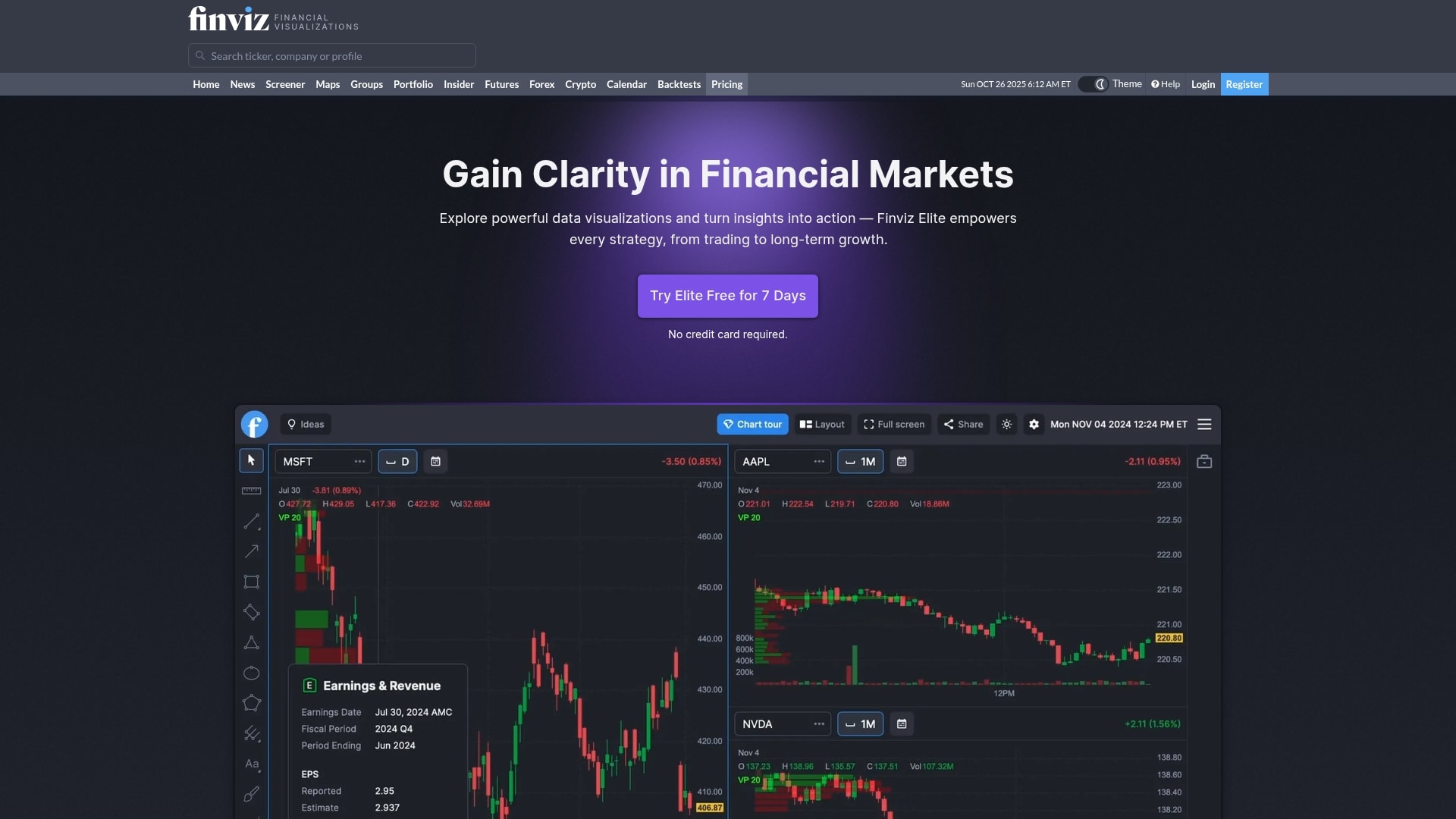
Finance
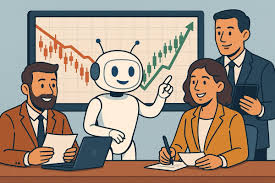
AI agents monitor markets, assess risk exposure, and automate portfolio adjustments in milliseconds. Financial institutions leverage intelligent systems to detect fraud and optimize trading strategies.
Healthcare
In healthcare, AI agents assist with diagnostics, patient monitoring, and predictive analytics, improving efficiency and reducing operational costs.
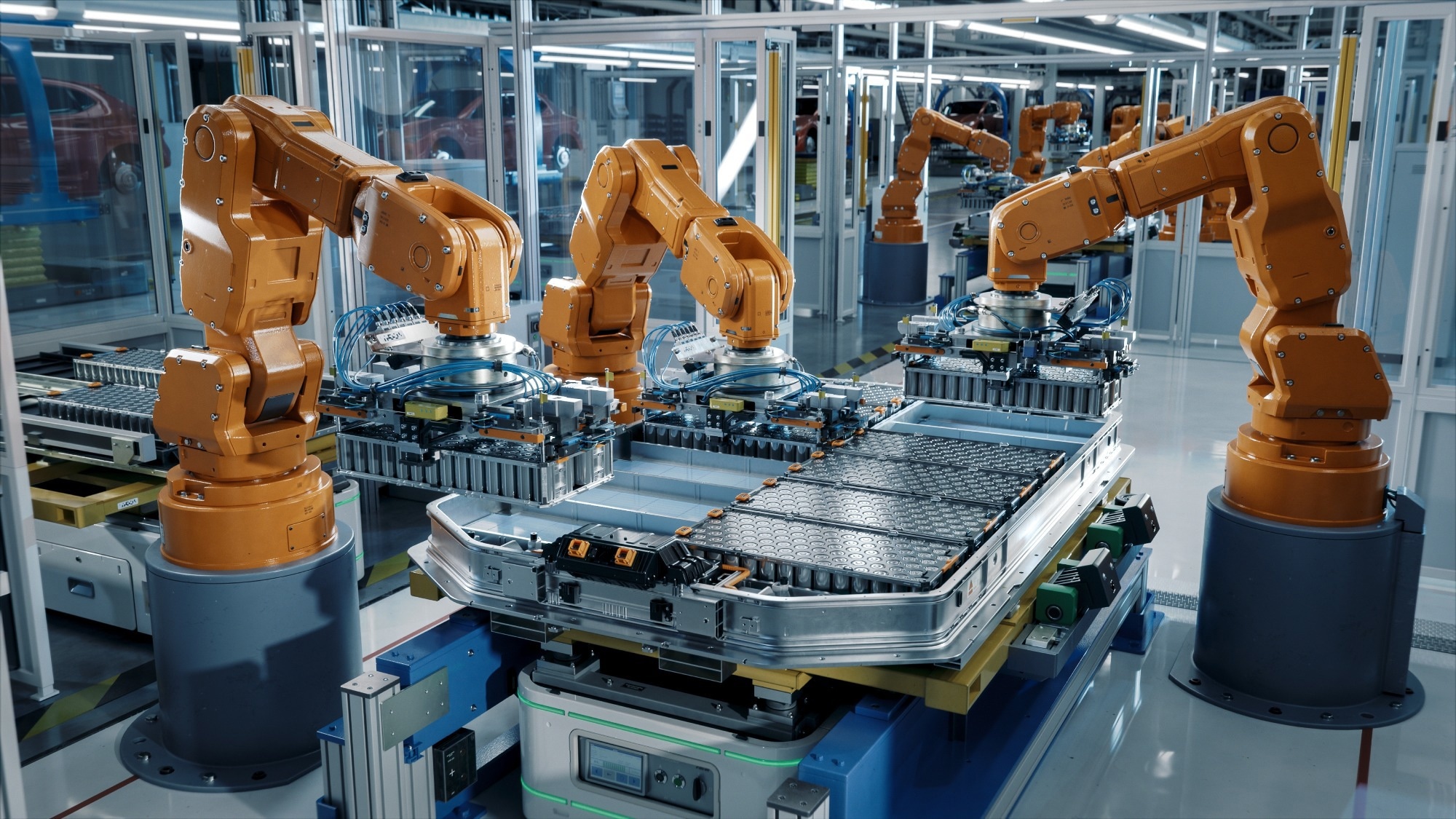
Manufacturing
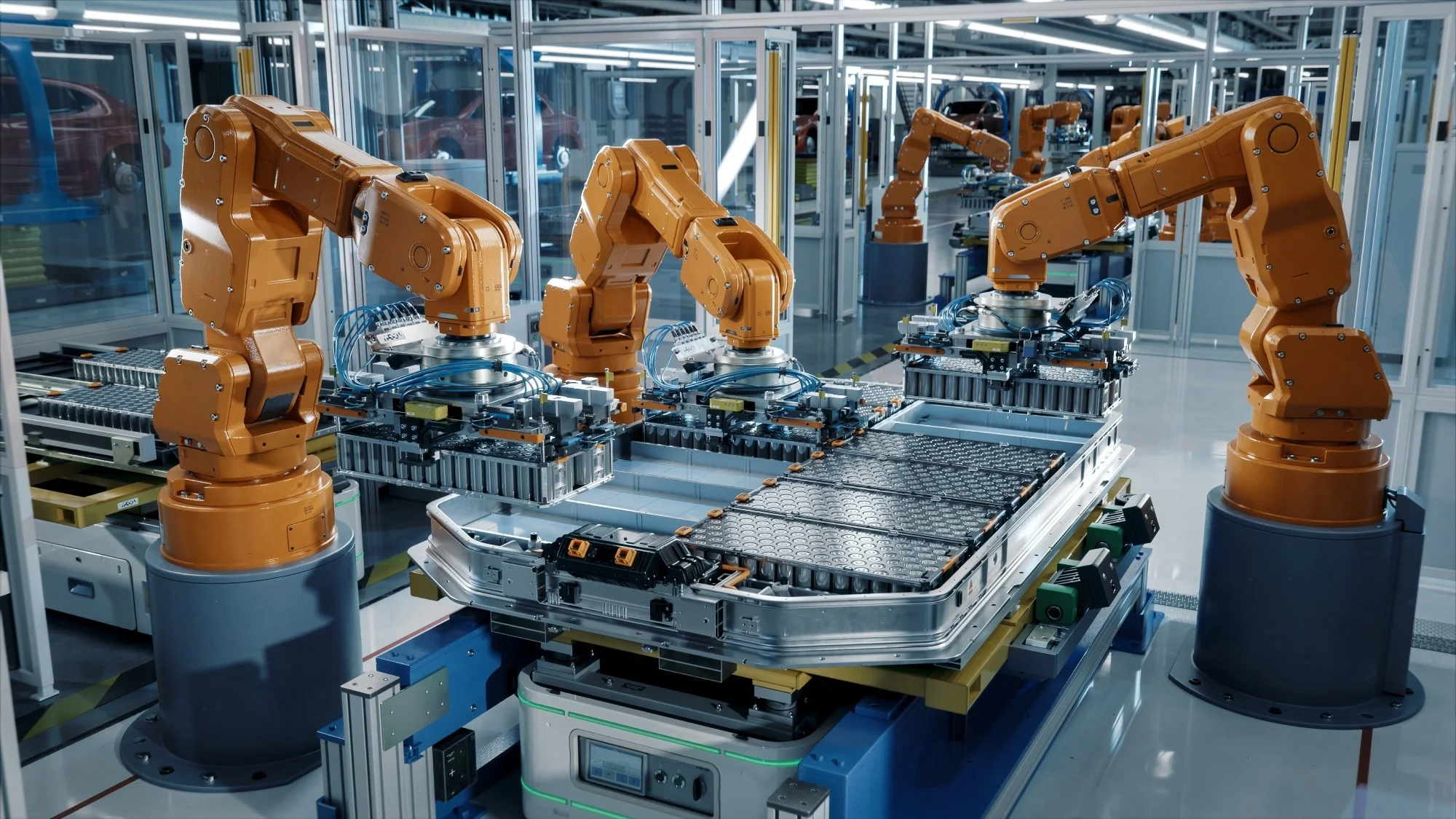
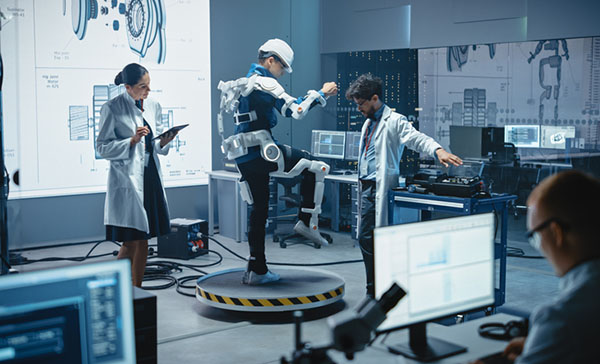
Smart factories rely on AI-driven systems to monitor equipment performance, anticipate maintenance needs, and optimize production flows.
Customer Experience
Autonomous AI agents handle inquiries, personalize marketing campaigns, and improve engagement across digital platforms.
Across sectors, AI is not replacing humans entirely — it is augmenting decision-making and accelerating processes.
💼 The Rise of AI-Native Companies

4
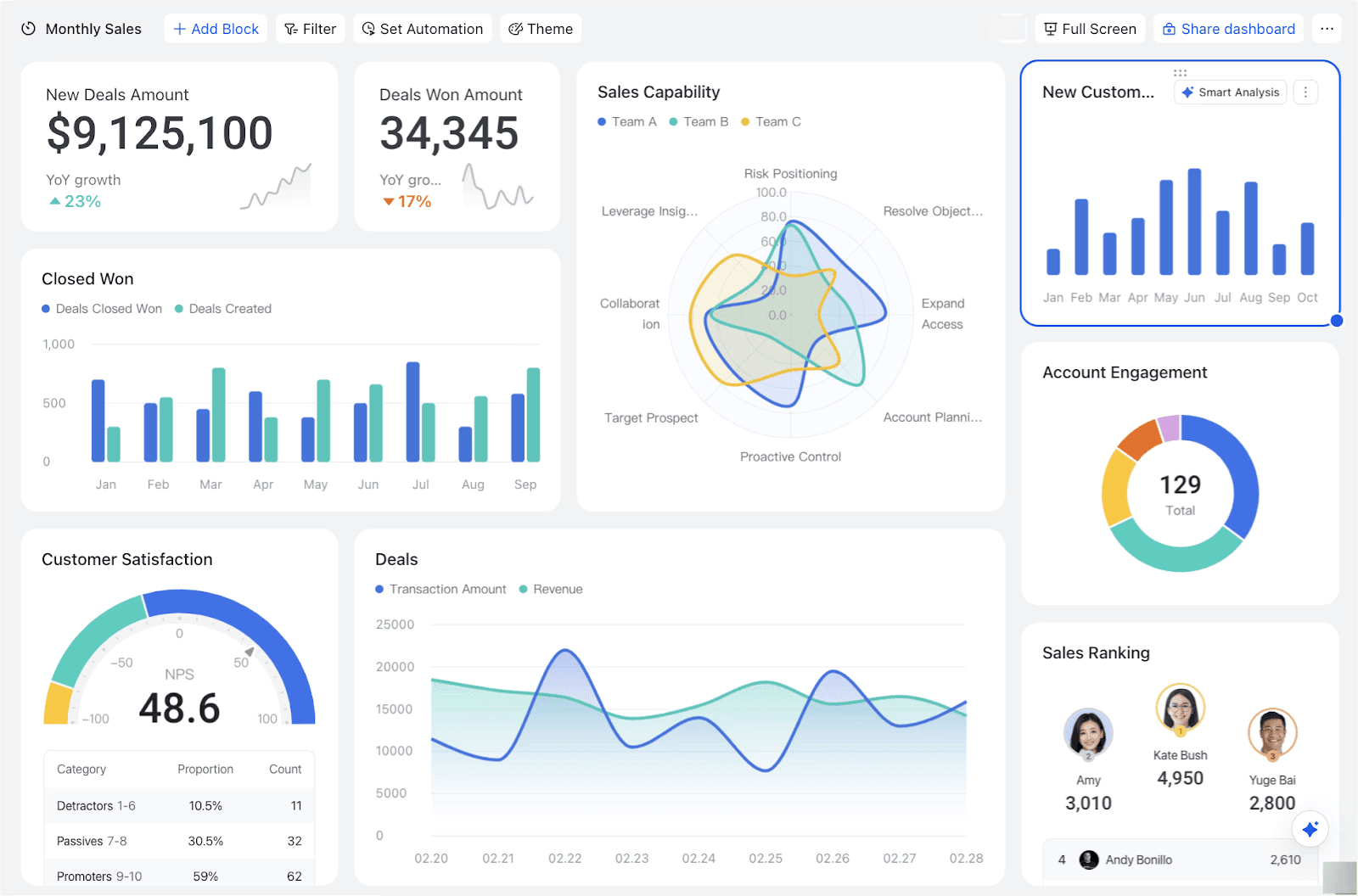
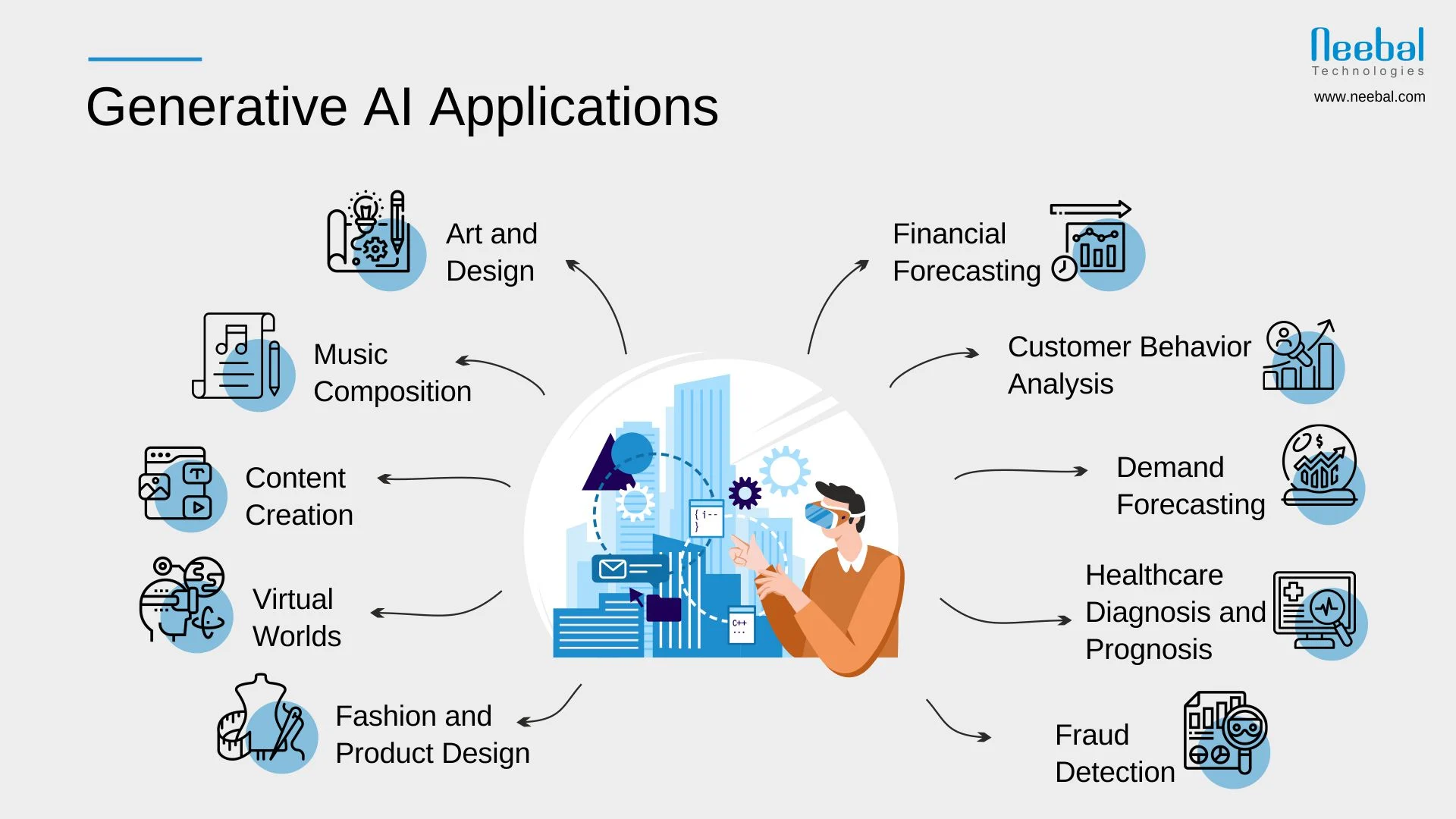
A new generation of AI-native companies is emerging. These organizations are built from the ground up with AI integration at their core. Instead of retrofitting old systems, they:
- Use AI agents for strategic planning
- Automate internal operations
- Personalize products at scale
- Analyze massive datasets in real time
This structural advantage allows AI-native businesses to operate leaner, move faster, and scale more efficiently than traditional competitors.
As AI adoption increases, companies that fail to integrate intelligent systems risk losing competitive relevance.
📊 Productivity and Cost Efficiency Gains
AI-powered automation significantly reduces operational costs while increasing output.
Key benefits include:
- 24/7 operational capacity
- Reduced human error
- Faster execution of complex workflows
- Data-driven optimization
- Improved scalability
For small and medium-sized enterprises (SMEs), AI agents provide access to enterprise-level efficiency without massive staffing costs.
In 2026, intelligent automation is becoming a strategic necessity rather than a competitive advantage.
🌍 The Global Economic Impact of AI Agents


4
AI-powered businesses are influencing global economic structures. As automation expands:
- Productivity growth may accelerate
- Labor markets will shift toward high-skill roles
- New job categories will emerge
- Regulatory frameworks will evolve
The future workforce will increasingly require AI literacy, data analysis skills, and strategic thinking capabilities.
Rather than eliminating jobs entirely, AI agents are expected to transform job functions, emphasizing human creativity, oversight, and ethical governance.
⚖ Ethical and Regulatory Challenges
With increased autonomy comes increased responsibility.
Businesses deploying AI agents must address:
- Data privacy concerns
- Algorithm transparency
- Cybersecurity risks
- Ethical decision-making boundaries
- Compliance with emerging AI regulations
Governments worldwide are developing frameworks to regulate AI usage in business environments. Transparency and accountability will be essential to maintaining public trust.
Companies that proactively integrate ethical AI governance will likely gain long-term credibility.
🔮 What the Future Holds
Looking ahead, AI agents are expected to become more:
- Collaborative across systems
- Context-aware and adaptive
- Integrated into enterprise platforms
- Capable of autonomous negotiation and planning
Advanced multi-agent systems may coordinate supply chains, financial markets, and digital ecosystems at unprecedented speed and scale.
Businesses that embrace this transformation early will shape the next era of economic innovation.
🏁 Final Thoughts
The future of AI-powered businesses is not hypothetical — it is already unfolding. Autonomous agents are redefining productivity, strategy, and scalability across industries.
In 2026, organizations that integrate AI agents effectively will gain structural advantages in efficiency, innovation, and resilience. However, success will depend on balancing automation with human oversight, ethical responsibility, and continuous adaptation.
The global economy is entering a new phase — one where intelligent systems collaborate with humans to build smarter, faster, and more dynamic businesses.
The companies that understand and embrace AI autonomy today will lead tomorrow’s markets.
NextGenInvest is an independent publication covering global markets, artificial intelligence, and emerging investment trends. Our goal is to provide context, analysis, and clarity for readers navigating an increasingly complex financial world.
By Juanma Mora
Financial & Tech Analyst
Acerca del autor