


4
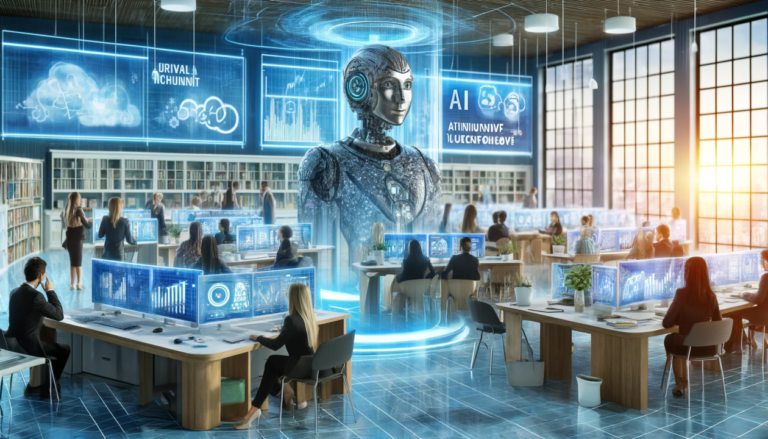
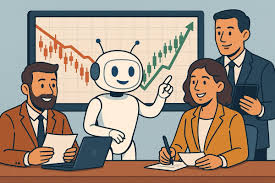
In a world increasingly dominated by automation, artificial intelligence, and digital transformation, an unexpected trend is emerging in Peru’s job market. Companies are prioritizing teamwork, communication, and emotional intelligence over technical mastery of software or artificial intelligence tools.
While digital skills remain important, Peruvian employers are sending a clear message in 2026: knowing how to collaborate effectively is more valuable than simply knowing how to operate AI platforms.
The Shift in Hiring Priorities
Over the past decade, businesses worldwide have invested heavily in digital transformation. From cloud computing to automation and generative AI systems, companies have rushed to modernize their operations. In Peru, this transformation accelerated after the pandemic, as organizations adopted remote and hybrid work models.
However, as digital tools became widely accessible, technical skills alone stopped being a differentiator. Platforms such as Microsoft, Google, and OpenAI have made powerful productivity and AI tools easier to use than ever before.
Today, many programs are intuitive, automated, and supported by AI assistants. This means companies can train employees to use software relatively quickly. What is harder to teach, however, is collaboration.
Why Teamwork Has Become a Strategic Asset
Teamwork is no longer just a soft skill — it is a competitive advantage. Organizations in sectors such as finance, mining, retail, and technology require cross-functional collaboration to innovate and respond to market changes.
In cities like Lima, where multinational corporations and local startups coexist, business leaders report that project success increasingly depends on how well teams communicate under pressure.
Complex projects often involve:
- Remote teams across time zones
- Multidisciplinary professionals
- Rapidly changing client demands
- Integration of digital tools
In this environment, technical knowledge without interpersonal skills can create friction, slow progress, and damage company culture.
Employers are discovering that employees who know how to listen, adapt, and resolve conflicts contribute more to long-term productivity than those who simply master software.
The AI Paradox
Artificial intelligence was expected to redefine hiring standards. Instead, it has reinforced the importance of human skills.
As AI automates repetitive tasks — from data analysis to report generation — employees are freed to focus on creativity, strategic thinking, and collaboration. Ironically, the more technology advances, the more valuable human interaction becomes.
AI can generate insights, but it cannot replace trust within a team. It can optimize workflows, but it cannot build workplace culture. It can analyze data, but it cannot negotiate complex human relationships.
For Peruvian companies, this distinction is becoming increasingly evident.
What Employers Are Looking For
Recruiters in Peru are emphasizing competencies such as:
- Effective communication
- Conflict resolution
- Leadership under pressure
- Adaptability
- Emotional intelligence
These abilities are critical in dynamic industries such as mining exports, agricultural production, and fintech — sectors that are vital to the Peruvian economy.


4
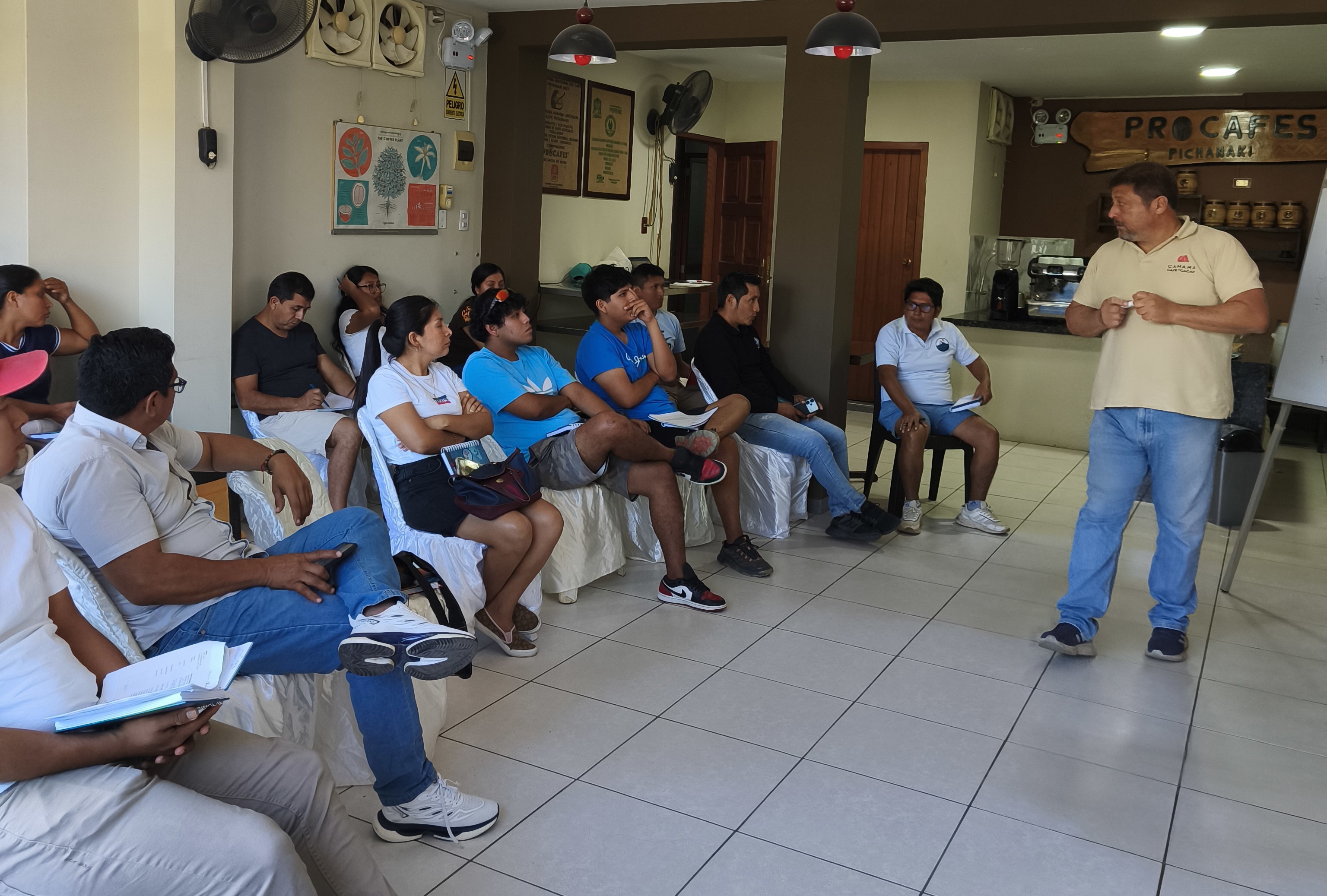
Companies are increasingly using behavioral interviews and group assessments to evaluate how candidates interact with others, rather than focusing solely on technical tests.
In fact, many HR managers argue that technical skills can be learned in months, but teamwork abilities take years to develop.
Universities and Training Centers Respond
Peruvian universities and business schools are adapting to this shift. While technology and AI courses remain in high demand, institutions are strengthening leadership programs, group project dynamics, and communication workshops.
Students are encouraged to participate in collaborative research, startup incubators, and international exchange programs. The goal is to prepare graduates not only for digital transformation but also for multicultural teamwork.
This reflects a broader global trend: employers increasingly value hybrid professionals — those who combine technical understanding with interpersonal excellence.
The Economic Context
Peru’s economic landscape also plays a role in this shift. As a country heavily connected to global commodity markets and international trade, Peru must navigate external volatility. Companies need agile teams capable of quick decision-making and coordinated responses.
When markets fluctuate or supply chains are disrupted, cohesive teams can pivot strategies faster than isolated specialists working independently.
Furthermore, as more multinational corporations expand operations in Peru, cross-cultural communication becomes essential. English proficiency, intercultural awareness, and collaborative skills are gaining weight in hiring processes.
A Message for Job Seekers
For professionals in Peru, the message is clear: mastering AI tools is beneficial, but it is not enough.
Candidates should focus on:
- Participating in team-based projects
- Developing active listening skills
- Practicing constructive feedback
- Building leadership experience
- Strengthening adaptability
Digital literacy remains essential, but it should complement — not replace — human capabilities.
In a labor market increasingly shaped by automation, the most resilient professionals will be those who combine technological knowledge with strong interpersonal foundations.
The Future of Work in Peru
Looking ahead to 2026 and beyond, Peruvian companies are expected to continue investing in AI and automation. However, technology will be viewed as an enabler, not the core differentiator.
The true competitive edge will lie in cohesive teams capable of integrating digital tools effectively.
This evolution challenges the assumption that AI skills automatically guarantee employability. Instead, it highlights a deeper truth about the future of work: technology may power businesses, but people drive them.
In Peru’s evolving job market, teamwork is no longer optional. It is the foundation of sustainable success.
NextGenInvest is an independent publication covering global markets, artificial intelligence, and emerging investment trends. Our goal is to provide context, analysis, and clarity for readers navigating an increasingly complex financial world.
By Juanma Mora
Financial & Tech Analyst
Acerca del autor