


4
In the year marked by a high-profile takeover bid, Banco Sabadell awarded €1.8 million to its chairman and €4.8 million to its chief executive officer, according to corporate disclosures. The remuneration figures come at a time of heightened scrutiny over executive pay, governance standards, and shareholder returns in Spain’s banking sector.
The chairman, Josep Oliu, received €1.8 million, while CEO César González-Bueno earned €4.8 million during the same fiscal year. The compensation packages included fixed salaries, variable bonuses, and long-term incentive plans linked to performance targets.
A Year Dominated by the Takeover Bid
The compensation disclosures coincided with the year in which BBVA launched a takeover bid for Banco Sabadell, triggering one of the most significant corporate battles in Spain’s financial sector in recent years.
The bid sparked debate among investors, regulators, and market analysts. For shareholders, the key question was whether the offer reflected the true long-term value of Sabadell. For employees and customers, uncertainty surrounded the potential impact on jobs, branch networks, and strategic direction.
Within this context, executive remuneration naturally drew attention. High compensation figures during a takeover year often intensify discussions about alignment between management incentives and shareholder interests.
Breakdown of Executive Pay
Executive compensation in major European banks typically consists of multiple components:
- Fixed base salary
- Short-term variable bonuses linked to annual performance
- Long-term incentive plans tied to strategic goals
- Deferred compensation subject to risk and compliance metrics
In Sabadell’s case, the €4.8 million awarded to the CEO reflected strong financial performance metrics, cost control initiatives, and capital strengthening efforts. The chairman’s €1.8 million compensation package also included both fixed and performance-based elements.
European banking regulations impose strict caps and deferral requirements on bonuses, aiming to prevent excessive risk-taking. These rules were reinforced after the global financial crisis and continue to shape remuneration policies across the industry.
Financial Performance Under Pressure


4
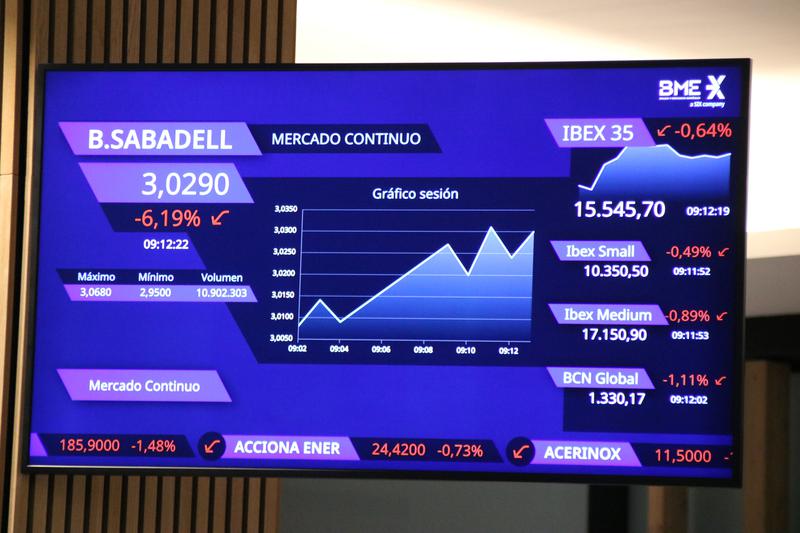
During the takeover year, Banco Sabadell reported improved profitability, supported by higher interest rates and stronger net interest margins. Like other European lenders, the bank benefited from the tightening cycle initiated by the European Central Bank, which boosted income from lending activities.
Higher rates allowed banks to expand margins between deposit costs and loan yields. As a result, Spanish banks posted robust earnings compared to previous years of ultra-low rates.
Sabadell also continued restructuring efforts, focusing on digital transformation, cost efficiency, and strengthening its UK subsidiary, TSB. These strategic actions contributed to improved investor sentiment and supported the bank’s defense against the takeover approach.
Governance and Shareholder Debate
Executive compensation in takeover scenarios often becomes a flashpoint for governance discussions. Shareholders typically evaluate whether pay packages reflect sustainable value creation or short-term performance spikes.
Supporters of Sabadell’s remuneration policy argue that leadership stability was essential during the takeover attempt. They claim that management successfully defended the bank’s independence while delivering solid financial results.
Critics, however, question whether such high payouts are appropriate during periods of corporate uncertainty. In Spain, public sensitivity toward executive pay remains high, particularly in the financial sector.
Proxy advisory firms and institutional investors increasingly demand transparency, clear performance metrics, and clawback provisions that allow companies to reclaim bonuses if long-term targets are not met.
The Broader Banking Context
Spain’s banking landscape has undergone significant consolidation over the past decade. Mergers among major players have reshaped the sector following the sovereign debt crisis and regulatory reforms.
The attempted acquisition of Sabadell by BBVA underscored ongoing consolidation pressures. Scale, digital investment capacity, and cost efficiency remain central themes in European banking strategy.
In this environment, executive leadership plays a pivotal role. Investors often view remuneration as a reflection of confidence in management’s ability to navigate regulatory complexity, market volatility, and technological disruption.
Public Perception and Market Impact
Executive pay figures rarely exist in isolation. They influence corporate reputation, investor confidence, and even political discourse.
In Spain, debates over income inequality and corporate governance amplify reactions to high compensation announcements. While remuneration levels at major banks are comparable to European peers, public perception can differ sharply from market norms.
From a market perspective, Sabadell’s share performance during the takeover period suggested investor belief in the bank’s strategic direction. The defense strategy, combined with improved earnings, strengthened management’s negotiating position.
What Comes Next?
Looking ahead, the focus for Banco Sabadell will likely center on sustaining profitability, advancing digital transformation, and reinforcing capital strength. The bank must continue balancing shareholder expectations with regulatory compliance and competitive positioning.
Executive compensation will remain under scrutiny, especially as European regulators continue evaluating governance standards across financial institutions.
For investors, the central question is whether leadership incentives are aligned with long-term value creation. For employees and customers, stability and strategic clarity matter most.
The €1.8 million for the chairman and €4.8 million for the CEO reflect a year of high stakes and intense corporate activity. Whether history views those figures as justified will ultimately depend on Sabadell’s performance in the years following the takeover attempt.
In a rapidly evolving European banking landscape, executive pay is more than a headline figure. It is a signal — of priorities, strategy, and confidence in leadership during moments that define a company’s future.

NextGenInvest is an independent publication covering global markets, artificial intelligence, and emerging investment trends. Our goal is to provide context, analysis, and clarity for readers navigating an increasingly complex financial world.
By Juanma Mora
Financial & Tech Analyst
Acerca del autor