
4
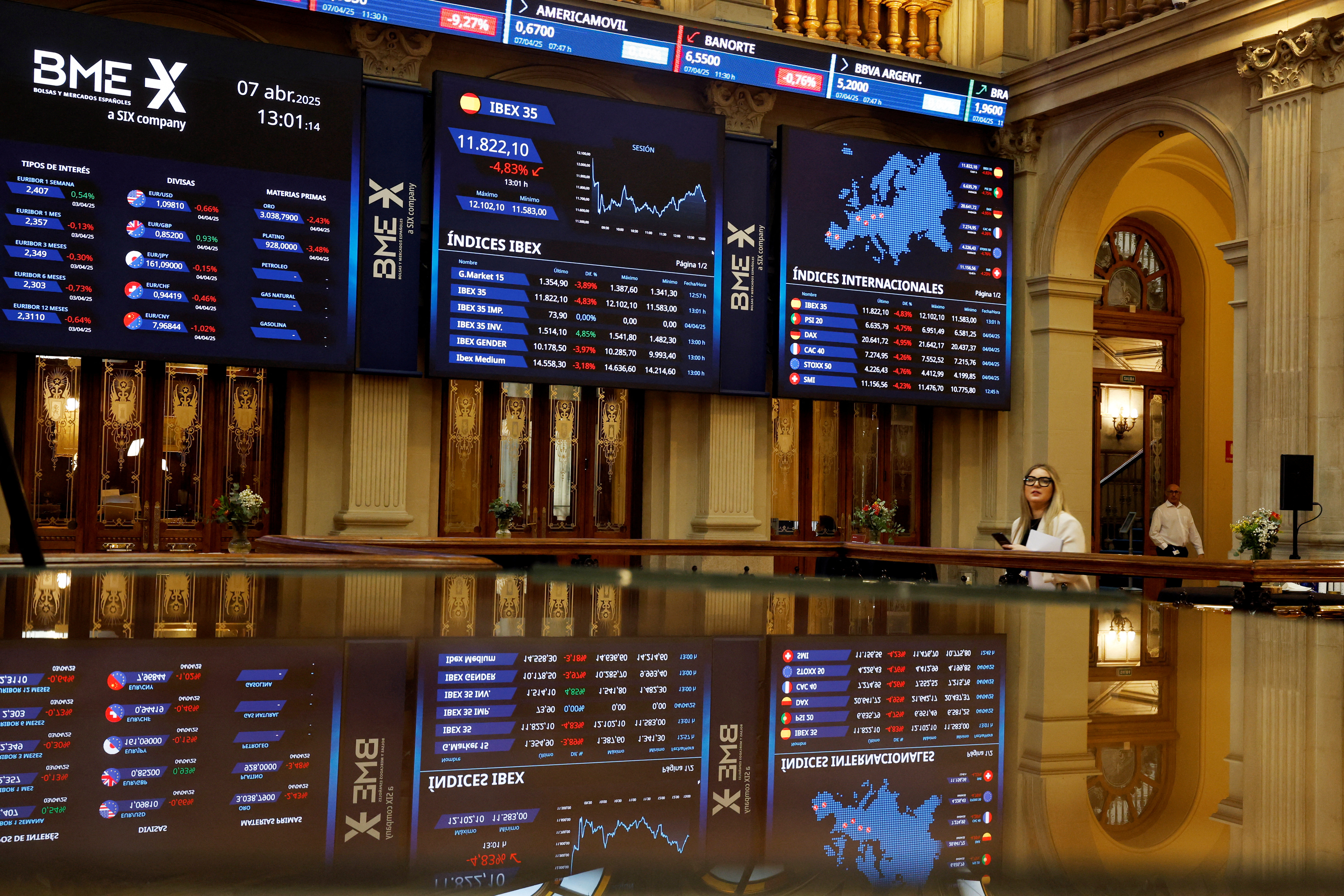
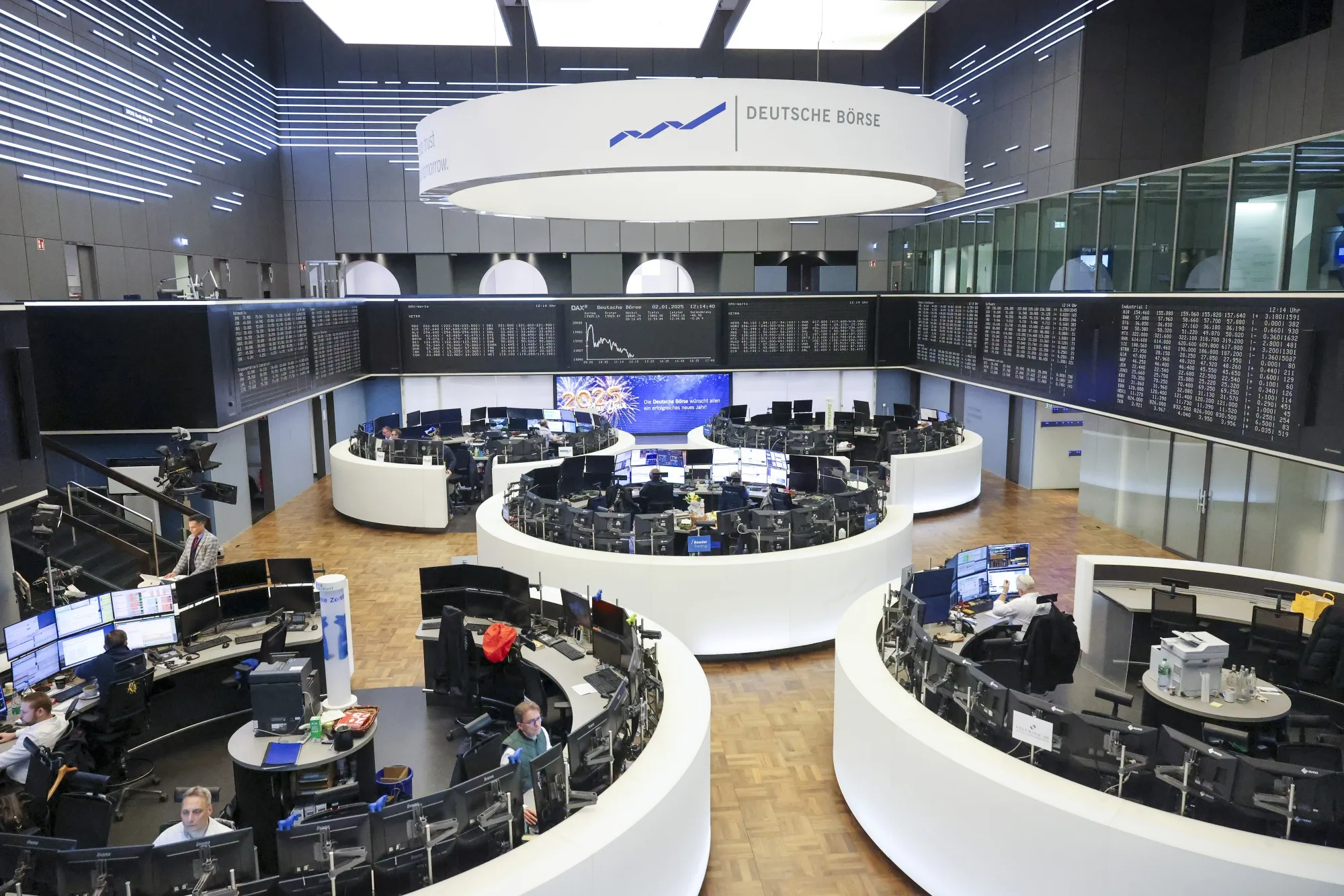
Spain’s benchmark index, the IBEX 35, opened with hesitation as investors closely monitored developments in the United States and escalating geopolitical tensions in the Middle East. The cautious start reflects a broader mood of uncertainty across European markets, where global risk factors are shaping short-term trading dynamics.
After several sessions of volatility, traders are weighing mixed signals: resilient corporate earnings on one side and geopolitical risk combined with U.S. macroeconomic uncertainty on the other.
A Market Waiting for Direction
The early session saw modest fluctuations, with selective gains in defensive sectors offset by weakness in banking and energy stocks. Market participants are waiting for fresh data from the United States, particularly regarding inflation trends and monetary policy signals.
All eyes remain on the Federal Reserve, as investors attempt to anticipate the next move in interest rates. Higher-for-longer rate expectations have historically strengthened the dollar and pressured European equities, including Spain’s leading index.
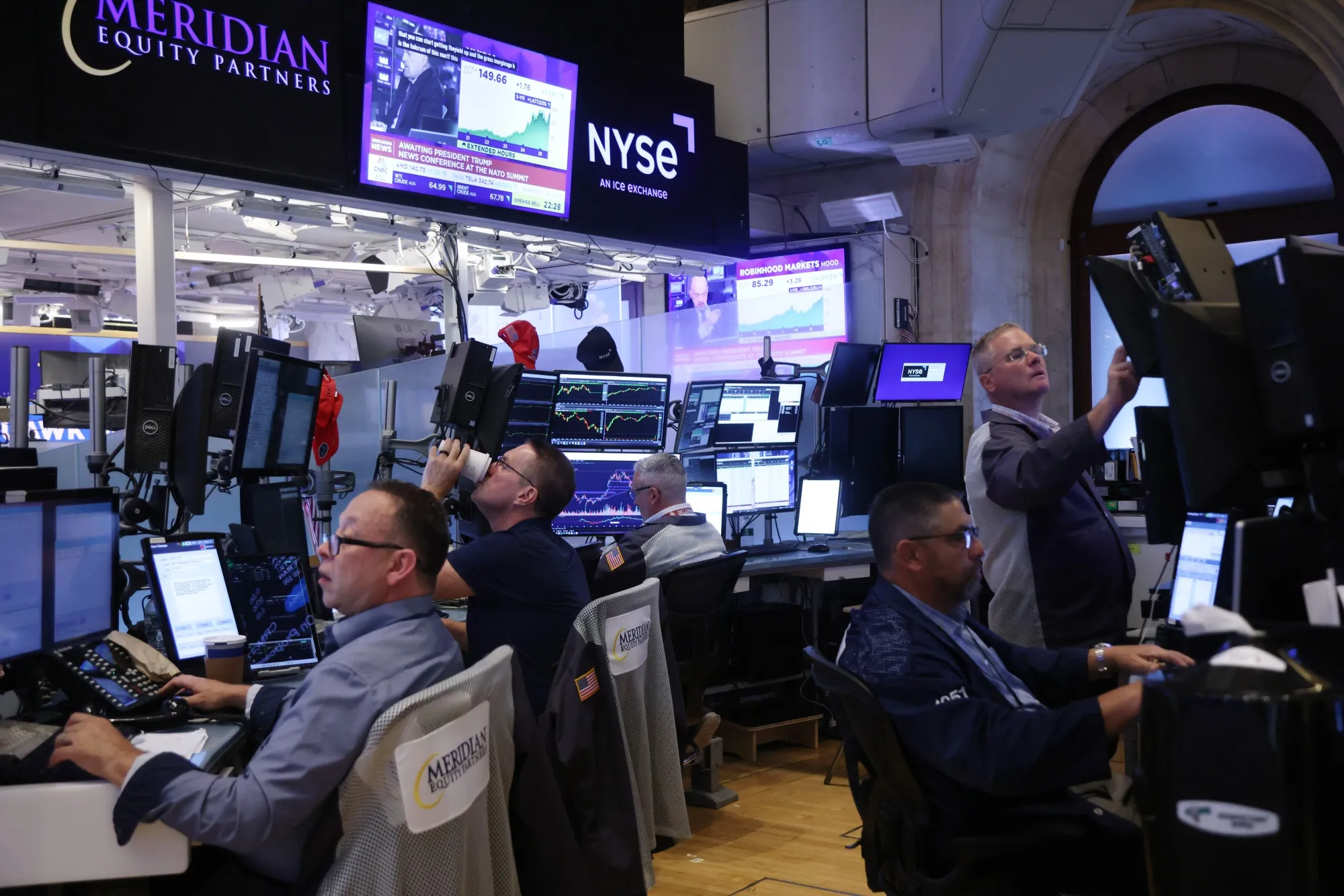
Wall Street’s performance in recent sessions has had a direct impact on European markets. A strong close in New York often provides momentum for Madrid’s opening bell, while U.S. sell-offs typically spill over into early European trading.
Geopolitical Risk in the Middle East
4
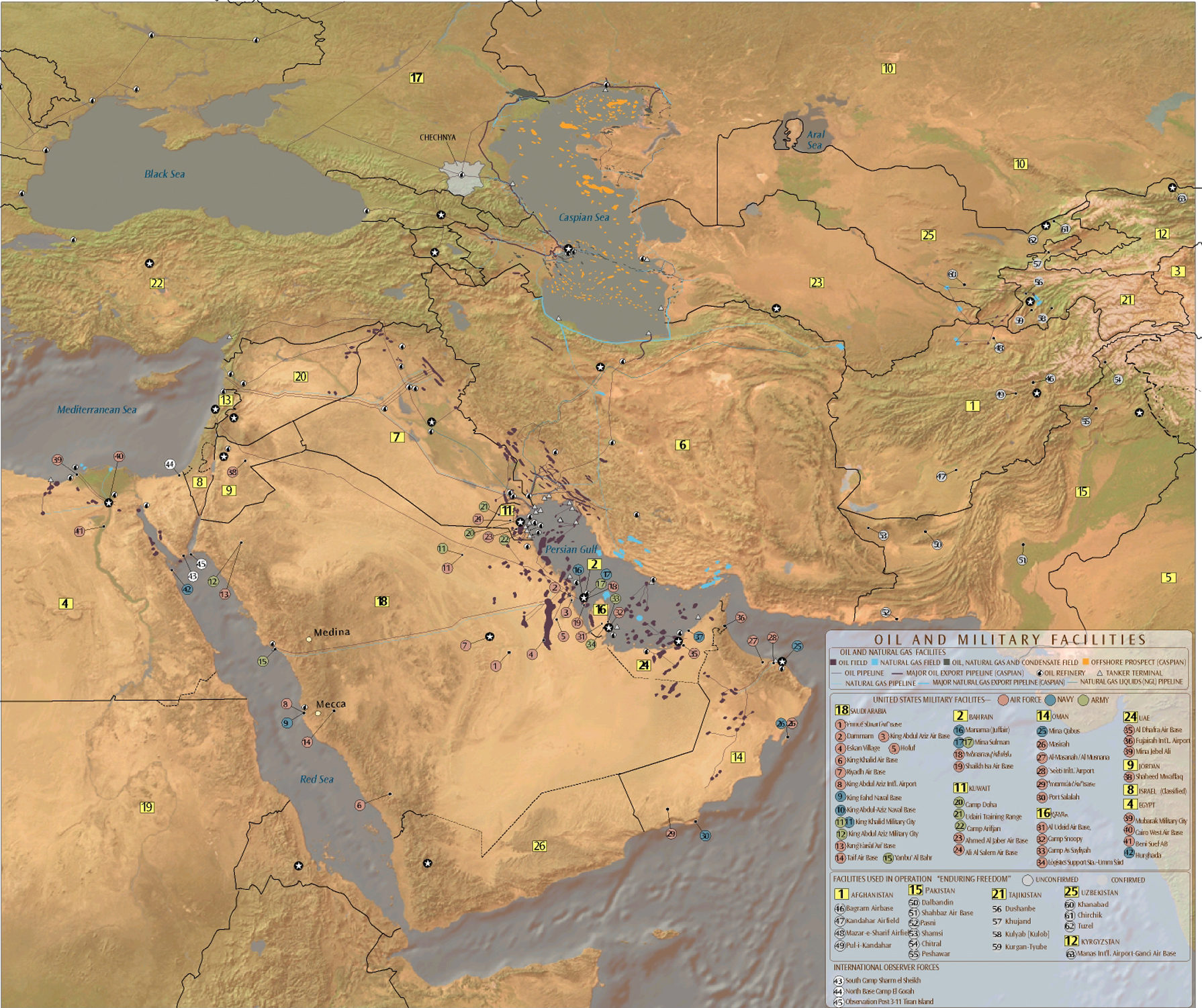
Tensions in the Middle East are adding another layer of uncertainty. Investors are closely watching developments that could disrupt oil supply routes or trigger broader regional instability.
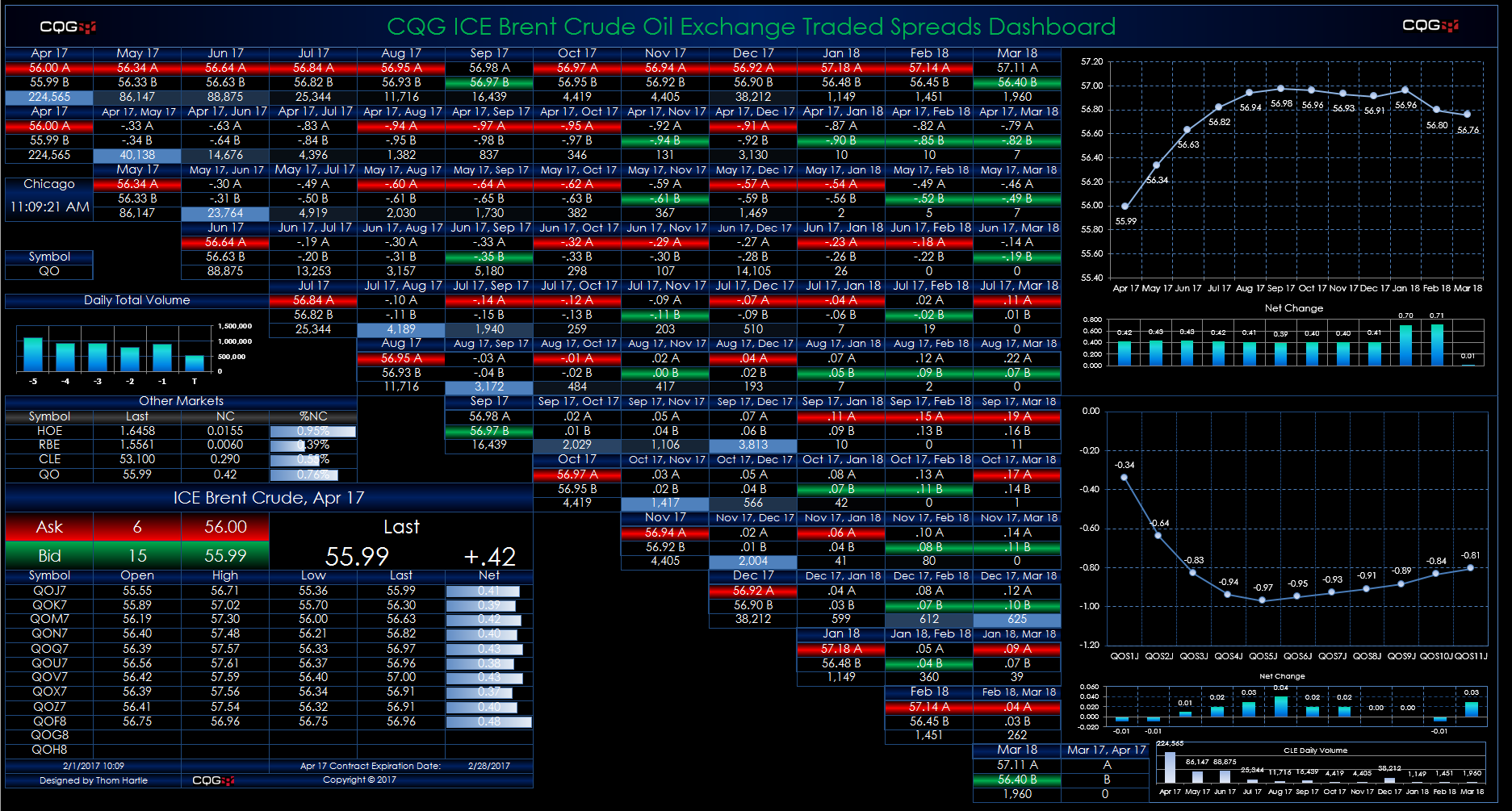
Energy markets are particularly sensitive to these events. Any threat to crude production or transportation infrastructure tends to push oil prices higher, which in turn affects inflation expectations globally.
For Spain, higher energy prices can weigh on corporate margins and consumer spending. Companies in transportation, manufacturing, and tourism are especially vulnerable to sustained increases in fuel costs.
At the same time, energy producers listed on the IBEX 35 may benefit from stronger crude prices, partially offsetting broader market concerns.
Banking Sector Under the Spotlight
Banks, which represent a significant portion of the IBEX 35’s weighting, are navigating a complex environment. On one hand, higher interest rates have improved net interest margins, boosting profitability over the past year. On the other, prolonged monetary tightening raises concerns about credit demand and potential loan defaults.
Major financial institutions such as Banco Santander and BBVA are particularly sensitive to global macroeconomic signals.
Their international exposure, especially to Latin America and the United States, means external developments often have a direct influence on share performance in Madrid.
U.S. Data: The Key Catalyst
Today’s cautious tone is largely linked to upcoming U.S. economic releases. Inflation data, employment figures, and Federal Reserve commentary are expected to shape investor expectations regarding future rate adjustments.
If inflation shows signs of cooling, markets could interpret it as a signal that monetary tightening is nearing its end. That scenario would likely support equities globally, including Spain.
Conversely, stronger-than-expected inflation could reignite fears of additional rate hikes, increasing borrowing costs and pressuring equity valuations.
The interdependence between U.S. markets and European indices has intensified in recent years, driven by global capital flows and synchronized economic cycles.
Defensive Sectors Provide Support
Amid uncertainty, investors often rotate into defensive sectors such as utilities, telecommunications, and consumer staples. These industries tend to offer stable cash flows even during periods of economic turbulence.
Spanish utilities and infrastructure companies have provided some support to the index in early trading, cushioning declines in more cyclical sectors.
Analysts note that while volatility may persist in the short term, Spain’s macroeconomic fundamentals remain relatively stable compared to other eurozone economies. Tourism performance, employment resilience, and fiscal discipline have helped maintain investor confidence.
Volatility as the New Normal

4
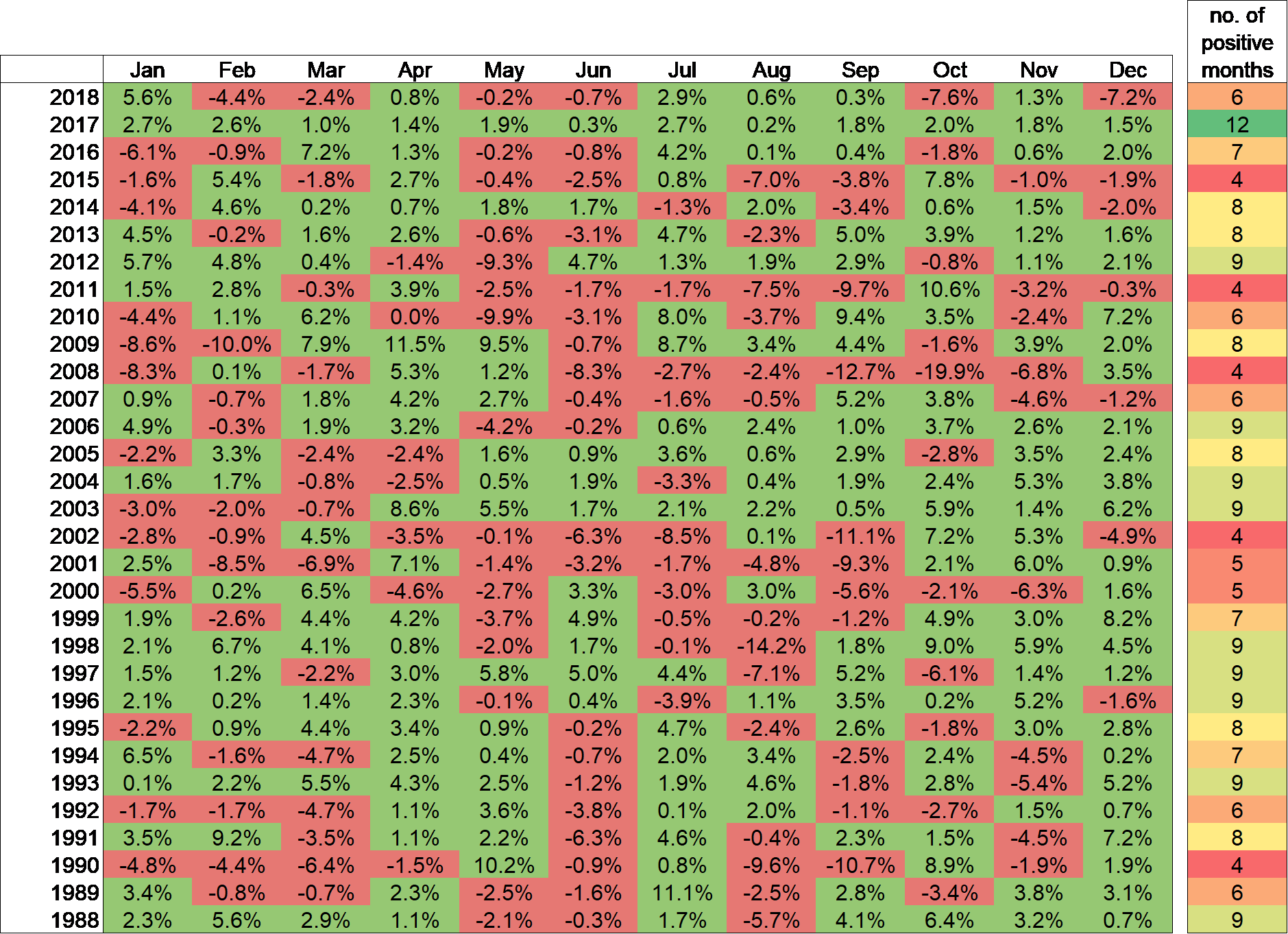
Market strategists argue that volatility is likely to remain elevated as long as geopolitical tensions and monetary policy uncertainty coexist.
Global investors are balancing risk exposure carefully, adjusting portfolios to reflect both defensive positioning and selective growth opportunities.
Short-term traders are reacting to headlines, while long-term investors focus on structural trends such as digital transformation, renewable energy expansion, and industrial modernization.
Outlook for the IBEX 35
Despite today’s cautious opening, the broader trend for the IBEX 35 will depend on three primary factors:
- U.S. monetary policy direction.
- Stability in the Middle East.
- Corporate earnings momentum in Spain.
If global tensions ease and inflation pressures moderate, the index could regain upward momentum. However, any escalation in geopolitical conflict or unexpected monetary tightening may keep markets on edge.
For now, investors remain in wait-and-see mode, scanning international headlines and economic indicators before committing to decisive moves.
The opening bell may have been marked by doubt, but as global events unfold, clarity could quickly reshape sentiment. In today’s interconnected financial landscape, Madrid’s market does not trade in isolation — it moves in rhythm with Washington, global energy hubs, and geopolitical developments thousands of kilometers away.

NextGenInvest is an independent publication covering global markets, artificial intelligence, and emerging investment trends. Our goal is to provide context, analysis, and clarity for readers navigating an increasingly complex financial world.
By Juanma Mora
Financial & Tech Analyst
Acerca del autor