


4
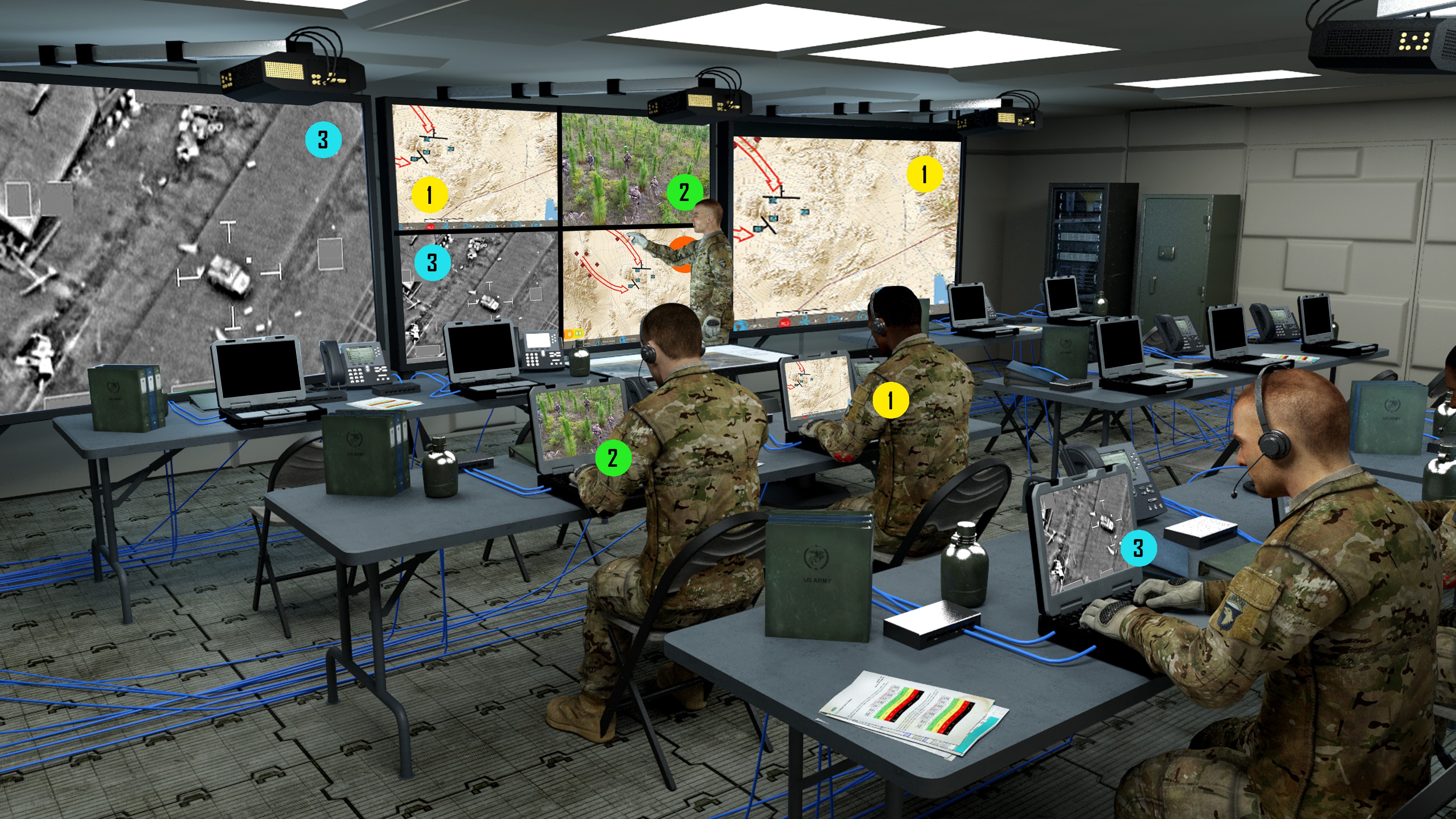
The United States Army has acknowledged a growing operational challenge: it is drowning in data. According to senior officials, the sheer volume of information generated across modern battlefields has reached levels that exceed human processing capacity. With as many as 1,500 potential targets identified in a single day during high-intensity operations, commanders are increasingly turning to artificial intelligence (AI) to bridge the gap between data collection and decision-making.
Modern warfare is no longer defined solely by boots on the ground or armored divisions. It is shaped by satellites, drones, cyber intelligence, surveillance systems, and real-time communications networks. Each sensor generates streams of raw data—video feeds, radar signals, thermal imagery, geolocation metadata, intercepted communications—creating what military analysts describe as an “information saturation environment.”
The Data Bottleneck in Modern Warfare
Military officials have admitted that processing 1,500 targets per day is beyond the reach of purely human analysis. Even highly trained intelligence teams cannot review, verify, prioritize, and act on such volumes in real time without assistance. The challenge is not only speed, but accuracy. In fast-moving operations, delays of even minutes can alter outcomes.
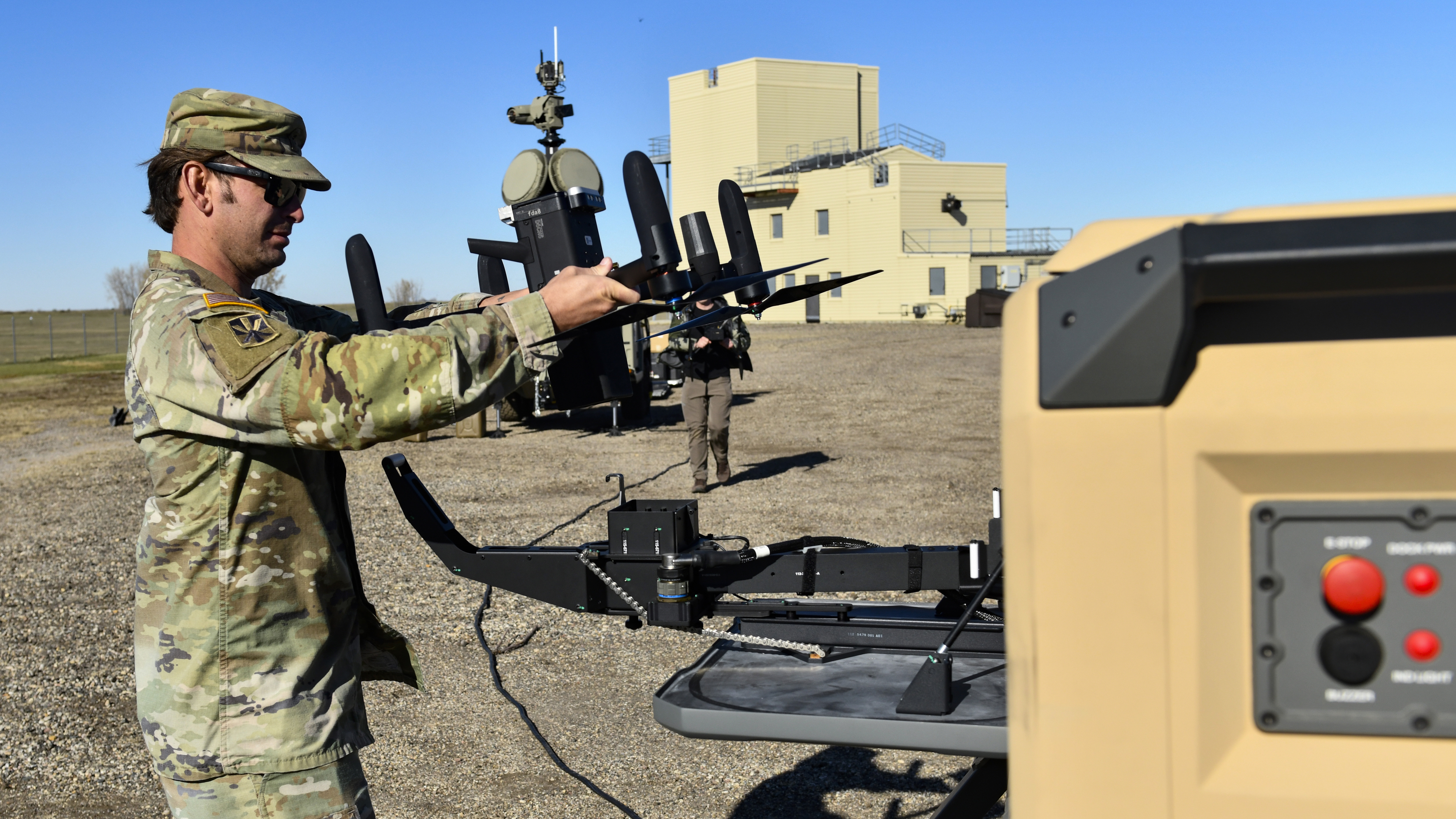
The rise of multi-domain operations—land, air, sea, space, and cyberspace—has further multiplied data inputs. Advanced reconnaissance drones can produce terabytes of imagery daily. Space-based assets continuously monitor activity across vast territories. Cyber units intercept and analyze digital communications at unprecedented scale.
The result: commanders often face more information than they can realistically interpret.
This is where AI is increasingly seen as indispensable.
AI as a Force Multiplier

4
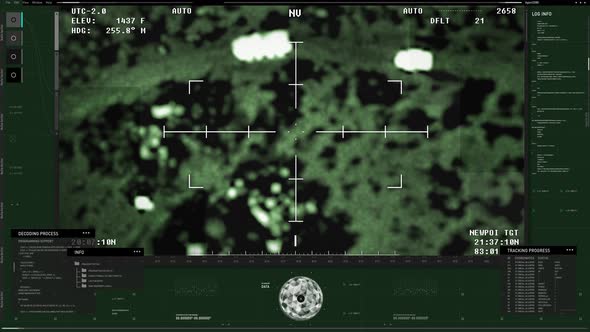
Artificial intelligence systems can rapidly filter, classify, and prioritize vast quantities of data. Machine learning algorithms can detect patterns in satellite imagery, flag suspicious movements, correlate signals intelligence with visual data, and rank targets based on threat levels.
Instead of replacing human decision-makers, AI acts as a force multiplier. It narrows down thousands of data points into manageable, actionable insights.
For example, AI can:
- Automatically identify armored vehicles in drone footage
- Cross-reference location data with historical threat patterns
- Flag anomalies in communications traffic
- Prioritize targets based on strategic value
By pre-processing raw intelligence, AI enables human analysts to focus on judgment rather than raw sorting.
Military strategists argue that without such systems, the operational tempo of modern conflicts would overwhelm command structures.
Lessons From Recent Conflicts
Recent global conflicts have demonstrated the decisive role of data. Real-time targeting, rapid drone deployment, and networked artillery coordination have shown that speed of information processing is often more critical than sheer firepower.
In such environments, identifying and striking 1,500 targets per day is not hypothetical—it reflects the scale of modern high-intensity warfare. The ability to quickly determine which targets are legitimate threats, which are decoys, and which are civilian infrastructure is essential not only for mission success but also for compliance with international law.
AI-assisted systems are increasingly being integrated into battlefield management platforms to accelerate these decisions while maintaining human oversight.
Ethical and Operational Considerations


4
While the efficiency gains are significant, the integration of AI into military operations raises important ethical and strategic questions. Critics warn about over-reliance on automated systems, potential algorithmic bias, and the risks of misidentification.
The U.S. defense establishment has repeatedly emphasized that AI will remain under human supervision. The concept of “human-in-the-loop” decision-making remains central to policy frameworks. AI may recommend targets or prioritize threats, but final engagement decisions are expected to remain in human hands.
Furthermore, data security presents another challenge. As systems become more interconnected, vulnerabilities in cyber defenses could expose sensitive intelligence streams. Ensuring secure, resilient AI architectures is as important as developing the algorithms themselves.
The Strategic Imperative
For the U.S. military, the adoption of AI is not merely about efficiency—it is about maintaining strategic advantage. Near-peer competitors are investing heavily in AI-driven military technologies. Failing to adapt could create operational disadvantages in future conflicts.
Defense analysts argue that the side capable of processing information faster and more accurately will likely hold the upper hand. In this context, AI becomes a strategic asset rather than a technological luxury.
The U.S. Army’s admission that it is overwhelmed by data reflects a broader transformation in warfare. Battles are increasingly won not just through physical dominance, but through information superiority.
From Information Overload to Information Dominance
The shift toward AI-enabled command systems marks a turning point in military doctrine. Traditional intelligence workflows—human analysts manually reviewing imagery and reports—are giving way to hybrid models where algorithms handle initial screening and humans apply strategic judgment.
Processing 1,500 targets per day may be beyond human capacity alone, but with AI integration, it becomes manageable. The goal is not automation of warfare, but acceleration of understanding.
In an era where seconds can determine outcomes, the ability to convert raw data into decisive action defines modern military power. As data volumes continue to grow exponentially, AI will likely become as essential to armies as logistics, communications, and firepower.
The U.S. Army’s candid acknowledgment of its data challenge underscores a new reality: the future battlefield will be shaped not just by soldiers and weapons, but by algorithms capable of transforming information overload into operational clarity.

NextGenInvest is an independent publication covering global markets, artificial intelligence, and emerging investment trends. Our goal is to provide context, analysis, and clarity for readers navigating an increasingly complex financial world.
By Juanma Mora
Financial & Tech Analyst
Acerca del autor