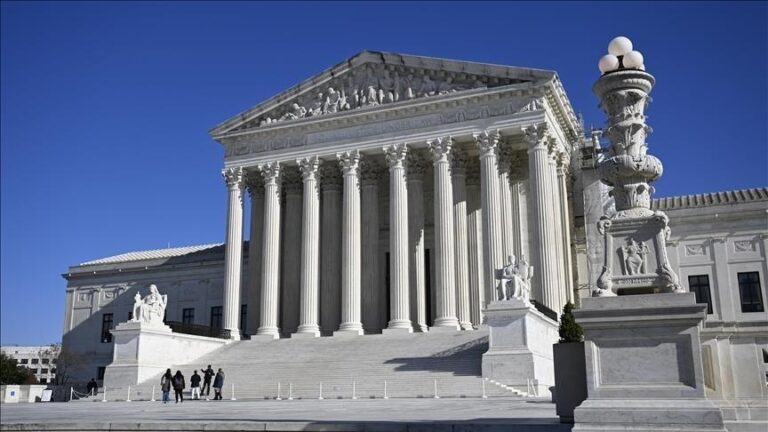
On Saturday, February 21, 2026, U.S. President Donald J. Trump stunned global markets and trade policymakers by increasing the United States’ global tariff rate to 15 percent, just one day after announcing a 10 percent tariff — a move that underscores both political volatility and widening trade tensions at the outset of a critical election year.
4
Why the Sudden Tariff Change?
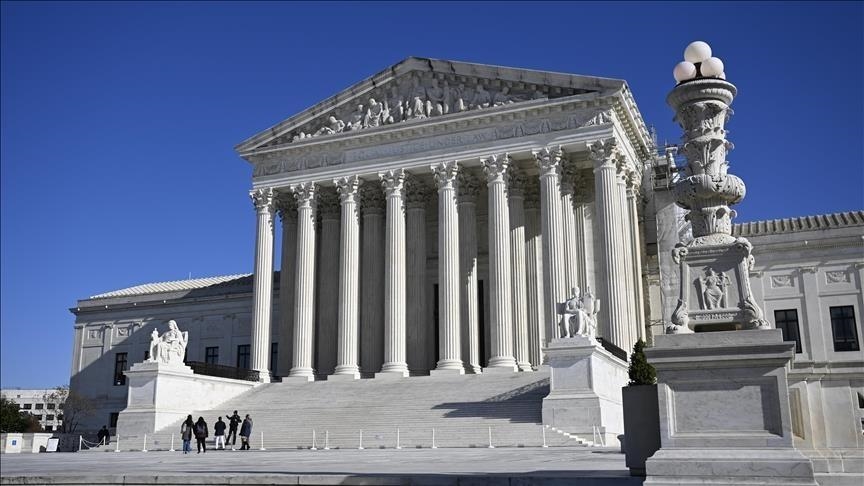
The rapid tariff escalation comes directly in response to a landmark ruling by the U.S. Supreme Court the day before, which struck down much of Trump’s previous trade measures as exceeding presidential authority. The Court ruled that President Trump had overstepped legal boundaries when applying wide-ranging tariffs under emergency powers, prompting a swift rethink by the White House.
Rather than abandon a broad trade posture, Mr. Trump used alternative statutory authority — the Trade Act of 1974’s Section 122 — to enact a global tariff rate that can lawfully go up to 15 percent. The tariff increase is set to take effect immediately and will initially apply for 150 days, after which continued imposition requires Congressional approval.
What Exactly Changed?
- Friday: Trump announced a 10 percent global tariff on all imports, a contingency response following the Supreme Court’s decision to invalidate sweeping tariff powers.
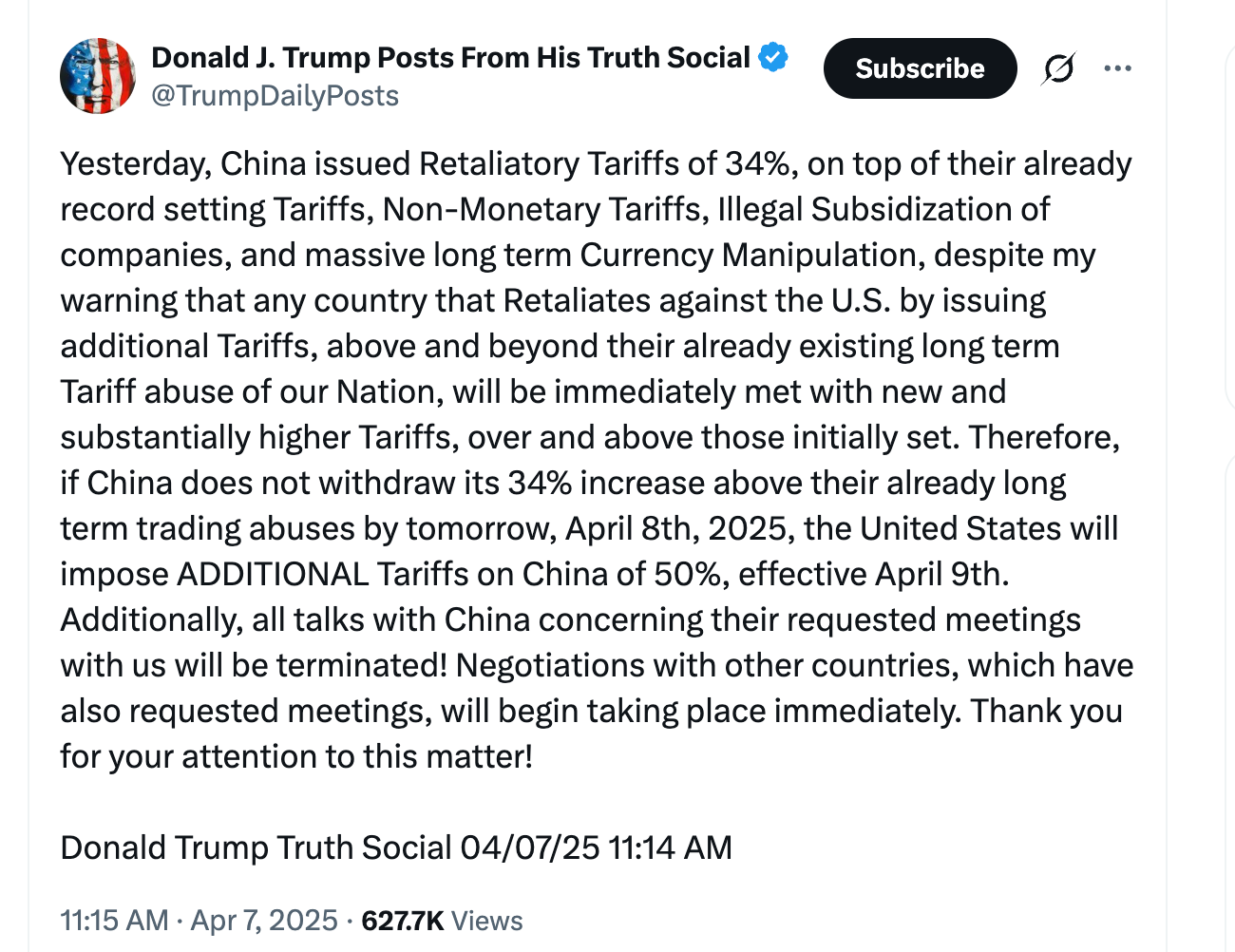
- Saturday: Within 24 hours, the President announced — via a social media post — that the rate would instead be 15 percent, citing legality under a different trade statute and branding the court’s decision “erroneous” and “anti-American.”
In his message, Trump indicated the higher tariff was a legally validated level and that the administration would refine specific country tariff rates in the coming weeks.
What This Means for Global Markets
The abrupt policy shift has significant implications for trade, markets and international economic cooperation:
- 📉 Market Volatility: Financial markets reacted quickly to the uncertainty. Investors digesting tariff risk often adjust equity and currency positions, while supply chain managers reassess cost structures.
- 🌍 Global Trade Tension: Major U.S. trading partners, including the European Union, China, Japan, and South Korea, now face a sudden increase in the cost of exporting to the U.S., risking retaliation and slower economic growth abroad.
- 🛠 Corporate Strategy Shift: Multinational companies will be forced to reconsider where and how they source goods, potentially accelerating supply chain diversification away from the U.S. market to avoid higher import taxes.
Economists warn that higher tariffs can lead to increased consumer prices domestically, especially for imported goods, which may feed inflationary pressures at a time when households are already coping with economic uncertainty.
Political Context: A Difficult Year Ahead
The tariff escalation comes against a backdrop of political polarization in the United States and with mid-term elections approaching in late 2026, making trade policy a key campaign issue. Trump’s assertive trade stance resonates with some voter bases that view foreign trade practices as unfair, but it also raises scrutiny among business groups and lawmakers concerned about the economic fallout.
Some members of Congress, particularly moderate Republicans and Democrats with strong ties to export-dependent states, have voiced skepticism over unilateral tariff measures that might invite retaliation or harm U.S. producers.
Legal and Trade Policy Challenges
The legal foundation for Mr. Trump’s rapid tariff move lies in Section 122 of the Trade Act of 1974, which allows the president to impose temporary tariffs to address “fundamental balance-of-payments issues” — a narrowly targeted authority compared to expansive emergency powers used previously.
However, trade lawyers note that applying Section 122 broadly to a universal tariff policy represents a bold legal interpretation that could face further judicial challenges, particularly if the administration attempts to make tariffs permanent without Congressional backing.
Reactions From Abroad
International leaders and trade alliances have responded with caution:
- European Union officials have publicly criticized the unpredictability of U.S. trade policy, warning that export-oriented economies cannot effectively plan under sudden tariff shifts.
- Asian markets have reacted with a mix of concern and strategic recalibration, as manufacturers reassess global production networks to minimize exposure.
Some developing nations argue that broad tariffs harm global economic recovery, while others see potential openings to negotiate bilateral trade terms.
What Happens Next?
As the 15 percent tariff takes effect immediately, the focus now turns to:
- 📊 Detailed country tariff schedules, which could see differentiated rates based on trading history and national economic ties.
- 🏛 Congressional response, including potential hearings or legislative action to clarify trade authorities.
- 🌐 Retaliatory measures by affected nations, which could trigger tit-for-tat tariffs and deeper trade conflicts.
With global leaders watching closely, the next few months will reveal whether this tariff shift ushers in a new era of international economic tension — or forces renewed negotiation at the world’s trade forums.

NextGenInvest is an independent publication covering global markets, artificial intelligence, and emerging investment trends. Our goal is to provide context, analysis, and clarity for readers navigating an increasingly complex financial world.
By Juanma Mora
Financial & Tech Analyst
Acerca del autor