Bitcoin Slides Below $78,000: Market Outlook and What Comes Next
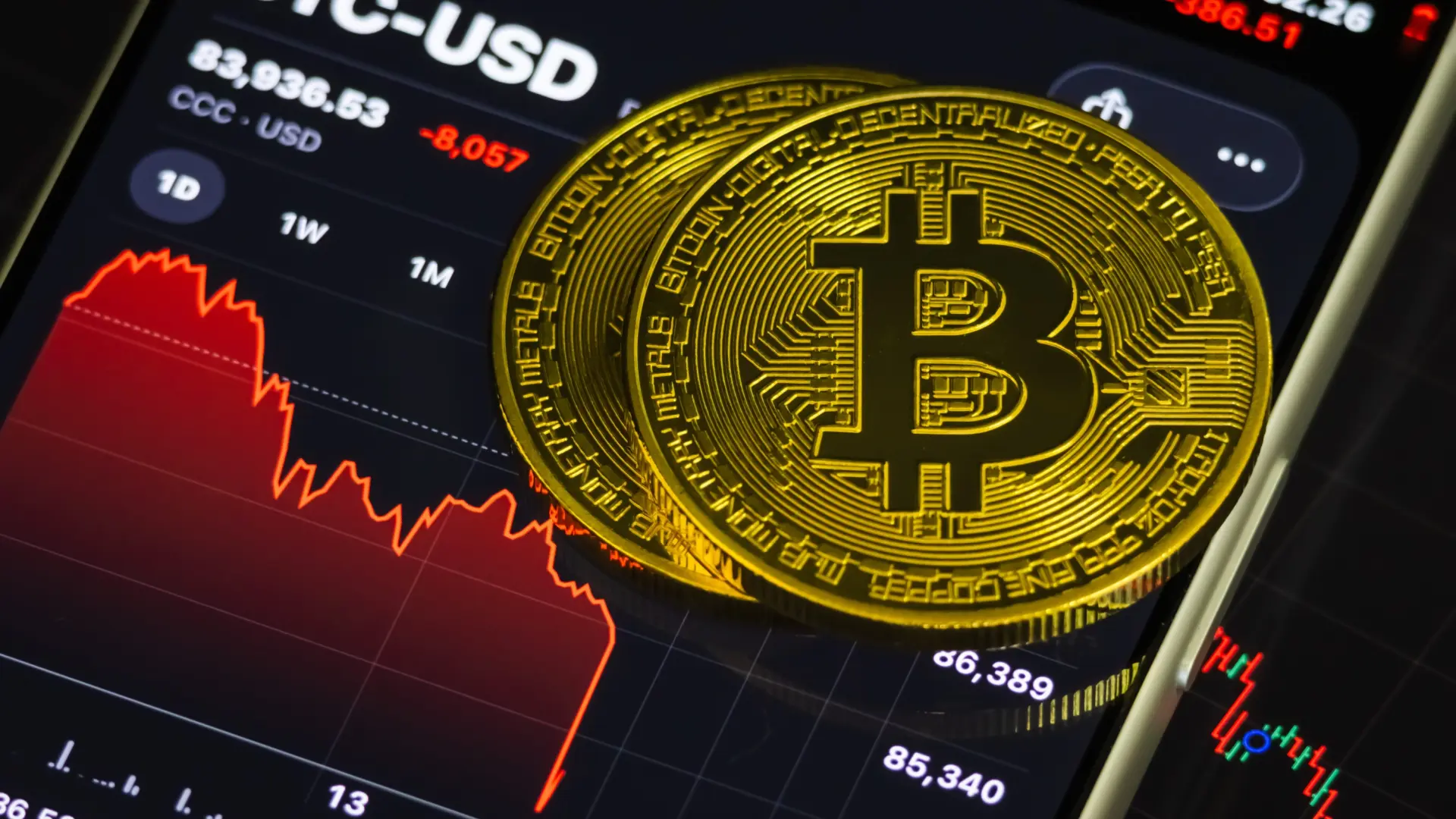
Bitcoin (BTC), the world’s largest cryptocurrency by market capitalization, has fallen below the key $78,000 price level, marking a notable shift in the crypto market dynamics and stirring fresh debate among investors and analysts about where BTC is headed next. As of early February 2026, Bitcoin’s price has dipped roughly 11% year-to-date and sits around its lowest levels since the 2025 tariff shock, posing both risks and opportunities for market participants.
What Happened: Key Drivers Behind the Drop
Several macroeconomic and market-specific factors have contributed to Bitcoin’s recent weakness:
1. Shift in U.S. Federal Reserve Expectations
A major catalyst for the decline was the nomination of Kevin Warsh as the new Chair of the U.S. Federal Reserve. Investors interpreted this move as signaling tighter monetary policy and reduced liquidity, which can dampen speculative assets like cryptocurrencies. Historically, loose monetary policy has supported risk-on assets, including BTC. With Warsh’s emphasis on monetary discipline and a smaller Fed balance sheet, traders pulled capital from risk assets, triggering selling pressure.
2. Strengthening U.S. Dollar and Safe-Haven Flows
Bitcoin’s drop below $78,000 coincided with a stronger U.S. dollar and rising demand for traditional safe-haven assets, such as gold. Gold reached multi-year highs amid geopolitical tensions, underlining investor risk aversion and weakening the narrative of Bitcoin as “digital gold.” This shift in sentiment saw capital flow toward traditional hedges rather than speculative crypto positions.
3. Geopolitical Uncertainty and Market Risk-Off Sentiment
Ongoing geopolitical tensions and broader market unease have reinforced risk-off behavior among traders. With increased risk aversion, many investors are reducing exposure to highly volatile assets, including cryptocurrencies. The broader crypto market has followed BTC’s slide, with other major tokens also showing significant losses.
The Technical Picture: Support & Resistance
From a technical analysis standpoint, the breakdown below $78,000 is significant. Analysts often refer to key price levels as psychological and strategic points where buyers or sellers step in. Bitcoin’s inability to hold above both $80,000 and the longer-term support near $78,000 suggests bearish pressure in the near term.
Technical indicators show that BTC has moved well below several moving averages that previously acted as support. Market structure now points to deeper corrective phases unless BTC can quickly reclaim higher ranges. Traders are watching the $75,000–$76,000 region as a near-term support zone, while a failure to hold those levels could invite further downside toward $70,000 or lower. This outlook aligns with some analyst projections that the cryptocurrency could revisit earlier lows if bearish sentiment persists.
Market Impact & Liquidations
The recent price action triggered significant leveraged liquidations, with data showing over $800 million in long crypto positions wiped out during the downturn. This forced selling intensified downward pressure and underscored how sensitive BTC is to changes in liquidity and risk sentiment.
Institutional holders are not immune either. Reports show that entities with large BTC reserves, such as some corporate treasuries, have seen their holdings slip below aggregate cost basis, eroding profitability and potentially reducing appetite for further accumulation at current levels.
Investor Behavior: Accumulators vs. Sellers
Despite the bearish momentum, not all investor classes are retreating. A notable number of new wallets and on-chain data suggested an increase in Bitcoin accumulation after price weakness, indicating that some market participants view the current correction as a buy-the-dip opportunity. This mixed behavior — selling pressure on leverage, but buy interest from new entrants — is typical during transitional phases of a market cycle.
Macro and Correlation Trends
Bitcoin’s price action has increasingly reflected traditional financial markets, particularly major equity indices and macro sentiment. This correlation suggests BTC is behaving less like a standalone digital asset and more like a risk-on investment tied to broader global economic conditions. When the macro environment favors risk aversion (strong dollar, rising rates, geopolitical risk), BTC tends to sell off alongside equities and commodities tied to economic growth.
What Comes Next: Scenarios to Watch
Market analysts and traders are watching several key scenarios that could shape Bitcoin’s trajectory in the coming weeks:
1. Reclaiming Major Resistance Levels
If Bitcoin can rebound above $80,000 and hold, it could signal a stabilization phase or potential recovery. A break above this level may attract short-covering and renewed accumulation from institutional players.
2. Breakdown Below Critical Support
A sustained slide below $75,000 could intensify bearish momentum, leading to a deeper correction and increased volatility. This outcome might trigger psychological selling and push BTC toward longer-term support near $70,000.
3. Macro Headwinds Ease
Should macroeconomic pressures, such as rising rates or dollar strength, ease — or if the Federal Reserve changes its stance — risk assets could find support. A softer monetary policy outlook might reinvigorate speculative investments, including crypto.
Conclusion: A Market at a Crossroads
Bitcoin’s recent drop below $78,000 highlights the complex interplay between macroeconomic policy, investor sentiment, and market structure. While volatility remains elevated and downside risk is clear, opportunities still exist for both short-term traders and long-term holders. Understanding these dynamics — from Federal Reserve actions to geopolitical trends — will be key to interpreting Bitcoin’s next major move.
Investors and observers should continue paying close attention to liquidity, regulatory developments, and macroeconomic data, as these will likely define BTC’s path in the days ahead.

Acerca del autor