ChatGPT Is Not a Therapist: How to Use AI Without Risking Your Mental Health
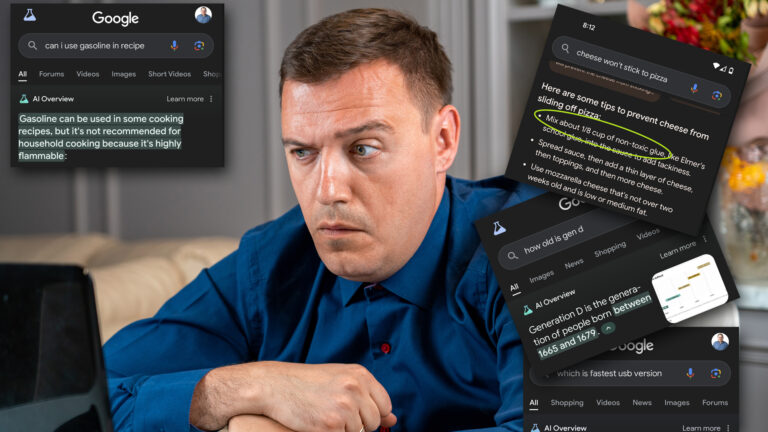
The rapid adoption of generative artificial intelligence tools such as ChatGPT has transformed how millions of people seek information, reflect on problems, and manage daily stress. From productivity tips to personal advice, AI-powered chatbots are increasingly present in users’ private lives. However, as these tools become more conversational and empathetic in tone, a critical question emerges: where is the line between helpful support and psychological risk?
ChatGPT and similar AI systems can be valuable tools, but they are not therapists, doctors, or mental health professionals. Understanding this distinction is essential to using AI responsibly and protecting mental well-being.
Why People Turn to AI for Emotional Support
Many users turn to AI because it is accessible, non-judgmental, and available 24/7. In a world where mental health services are often expensive, overstretched, or stigmatized, AI can feel like a safe space to express thoughts or emotions. For some, chatting with an AI offers temporary relief, structure, or clarity during moments of stress.
AI can help users organize their thoughts, reflect on situations, or explore coping strategies in a general sense. However, the danger lies in mistaking simulation of empathy for genuine emotional understanding or clinical care.
The Limits of AI in Mental Health Contexts
Despite its conversational abilities, ChatGPT does not possess consciousness, emotional awareness, or clinical judgment. It does not understand feelings, diagnose conditions, or assess risk the way a trained professional can. AI responses are generated based on patterns in data, not on an understanding of the user’s mental state.
This limitation becomes particularly important in sensitive situations involving anxiety disorders, depression, trauma, or suicidal thoughts. Relying on AI in such cases may delay seeking professional help, reinforce unhealthy thought patterns, or create a false sense of support.
AI tools are designed to inform and assist, not to replace human connection or professional care.
How AI Can Be Used Safely and Responsibly
Used correctly, AI can still play a positive role in mental well-being. The key is understanding what AI is good for—and what it is not.
ChatGPT can be safely used to:
- Learn about mental health concepts and terminology
- Explore general stress-management techniques
- Practice journaling or structured reflection
- Get reminders about healthy routines and habits
However, AI should not be used to:
- Diagnose mental health conditions
- Provide therapy or crisis intervention
- Replace conversations with qualified professionals
- Make decisions during emotional or psychological crises
Setting these boundaries helps ensure that AI remains a supportive tool rather than a harmful substitute.
The Risk of Emotional Dependency
One of the emerging concerns around conversational AI is emotional dependency. Because AI systems are always available and designed to respond politely and supportively, some users may begin to rely on them for emotional validation or companionship.
This dependency can reduce real-world social interaction and discourage individuals from seeking human support. Over time, it may reinforce isolation rather than alleviate it. Healthy AI use should complement human relationships, not replace them.
What Companies and Developers Must Do
As AI adoption grows, responsibility does not rest solely with users. Companies developing AI systems must clearly communicate limitations, avoid positioning AI as a mental health authority, and implement safeguards for vulnerable users.
Transparency, ethical design, and responsible messaging are essential to prevent misuse. AI literacy—understanding how these systems work and what they can realistically provide—should be a priority for organizations, educators, and policymakers.
When to Seek Professional Help
If someone experiences persistent sadness, anxiety, intrusive thoughts, or emotional distress that interferes with daily life, professional support is essential. Psychologists, psychiatrists, and licensed therapists are trained to assess risk, provide evidence-based treatment, and offer human connection that AI cannot replicate.
AI can be a starting point for information or reflection, but it should never be the final stop when mental health is at stake.
Conclusion
ChatGPT and other AI tools can be powerful assistants for learning, organization, and general well-being support. But they are not therapists, and treating them as such carries real risks.
Using AI responsibly means recognizing its limits, maintaining human connections, and prioritizing professional care when needed. In the conversation around mental health and technology, the goal should not be to replace humans with machines, but to use technology wisely to support healthier, more informed lives.

Acerca del autor