Crypto Market Sells Off as Trump’s Tariff Threats Spark Global Risk Aversion
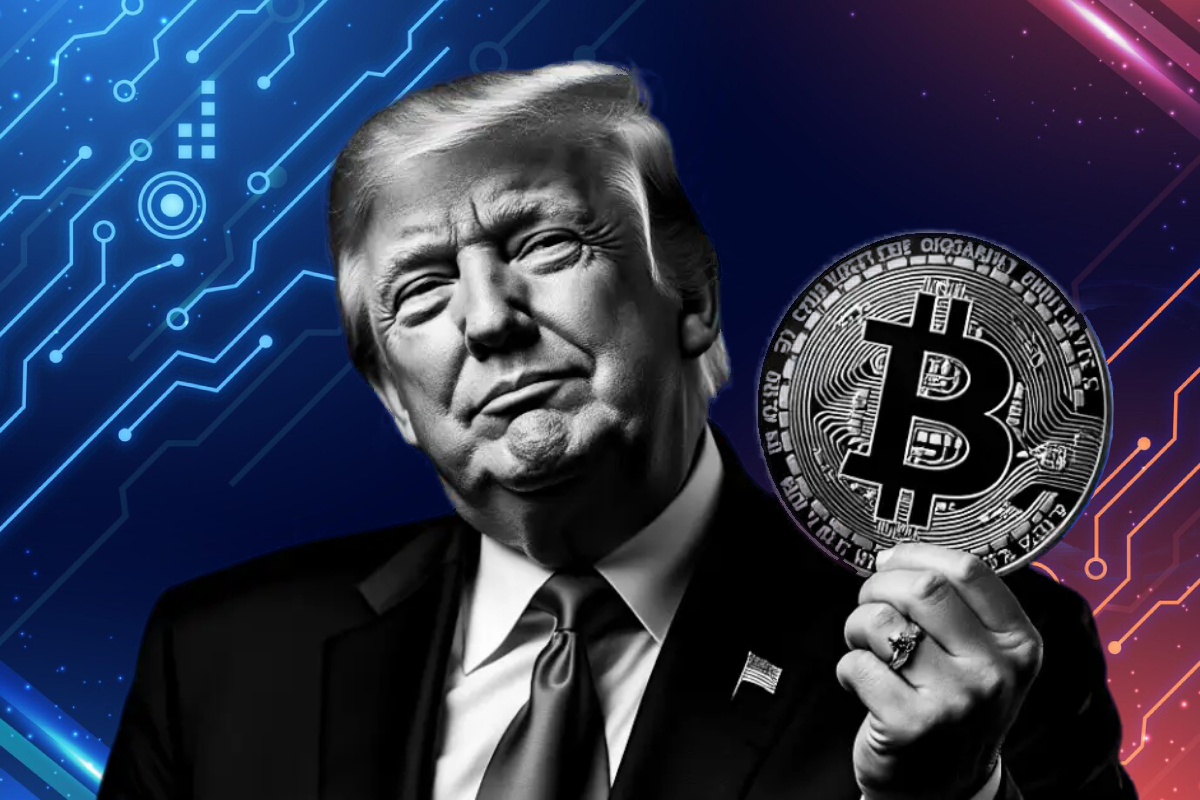
The cryptocurrency market has come under renewed pressure as global risk aversion intensifies, following fresh tariff threats from former U.S. President Donald Trump. The comments have unsettled financial markets, triggering a broad sell-off in risk assets and pushing major cryptocurrencies lower amid rising macroeconomic uncertainty.
Crypto Prices Slide as Sentiment Turns Defensive
Bitcoin, Ethereum, and other major digital assets posted sharp intraday declines, reflecting a sudden shift in investor sentiment. Traders moved quickly to reduce exposure to volatile assets as concerns grew that escalating trade tensions could weigh on global growth and financial stability.
Market analysts note that cryptocurrencies, which often behave like high-risk assets during periods of macro stress, were particularly vulnerable to the surge in risk-off positioning.
Trump’s Tariff Rhetoric Revives Trade War Fears
The sell-off follows renewed rhetoric from Donald Trump, who has reiterated the possibility of imposing higher tariffs on key trading partners if elected. The comments have revived fears of a return to aggressive trade policies that previously disrupted global supply chains and financial markets.
Investors worry that renewed trade tensions could fuel inflation, slow economic growth, and complicate the outlook for central bank policy—factors that typically dampen appetite for speculative investments such as cryptocurrencies.
Global Markets React: Risk-Off Mode Returns
The impact of the tariff threats has extended well beyond the crypto market. Global equity indices retreated, bond yields fluctuated, and safe-haven assets such as the U.S. dollar and government bonds saw increased demand.
This broader risk-off environment has created headwinds for digital assets, which have become increasingly correlated with traditional markets during periods of heightened uncertainty.
Altcoins Face Heavier Losses
While Bitcoin showed relative resilience compared to smaller tokens, altcoins experienced steeper losses, with several mid- and small-cap cryptocurrencies posting double-digit declines. Investors tend to exit less liquid assets first during periods of stress, amplifying downside moves across the broader crypto ecosystem.
Decentralized finance (DeFi) tokens and high-beta blockchain projects were among the hardest hit, reflecting reduced tolerance for risk.
Institutional Investors Turn Cautious
Institutional players, who have become a key force in the crypto market, are also showing signs of caution. Analysts report a slowdown in inflows to crypto-related investment products, as asset managers reassess geopolitical and macroeconomic risks.
Although long-term interest in digital assets remains intact, short-term positioning has become more defensive, with many investors waiting for clearer signals before re-entering the market.
Technical Levels Under Pressure
From a technical standpoint, the recent sell-off has pushed Bitcoin toward key support levels, increasing the risk of further downside if selling pressure intensifies. Traders are closely monitoring whether buyers step in to defend these levels or whether a deeper correction could unfold.
Volatility has risen sharply, underscoring the fragile nature of market sentiment and the speed at which macro headlines can influence crypto prices.
Outlook: Uncertainty Dominates Near Term
Looking ahead, the direction of the crypto market is likely to remain highly sensitive to political and macroeconomic developments. Any escalation in trade tensions or additional policy uncertainty could extend the current risk-off phase.
However, analysts caution that periods of heightened volatility are not unusual for digital assets. While short-term risks remain elevated, long-term investors continue to view market corrections as potential opportunities, depending on broader economic conditions.
For now, caution prevails as the crypto market navigates a challenging global backdrop shaped by geopolitics, trade policy risks, and shifting investor sentiment.

Acerca del autor