How Gen Z Uses Artificial Intelligence for Learning, Productivity, and Fun
Artificial intelligence (AI) is no longer a futuristic concept for Generation Z — it is a daily reality. Born into a fully digital world, Gen Z has quickly embraced AI as a tool for learning, productivity, creativity, and entertainment. From classrooms and workplaces to social media and gaming, artificial intelligence is reshaping how young people study, work, and relax.
As AI tools become more accessible and intuitive, their adoption among young users continues to grow. This generation is not only consuming AI-powered technology but actively integrating it into their routines, redefining what it means to learn and work in the 21st century.
AI in Education: A New Way of Learning
One of the most significant areas where Gen Z uses artificial intelligence is education. Students increasingly rely on AI-powered tools to support learning, improve understanding, and manage academic workloads.
AI assistants help students summarize complex texts, explain difficult concepts, generate study notes, and even practice languages through conversational interfaces. These tools allow learners to study at their own pace, reinforcing lessons outside the classroom and offering personalized explanations tailored to individual needs.
Additionally, AI-powered platforms are transforming online education by adapting content based on performance and learning style. For Gen Z, this personalized approach makes studying more engaging and efficient, especially compared to traditional one-size-fits-all methods.
However, the rise of AI in education has also sparked debates around academic integrity. Schools and universities are now rethinking assessment models to ensure students use AI as a learning aid rather than a shortcut, emphasizing critical thinking and problem-solving skills.
Productivity and Work: AI as a Digital Co-Worker
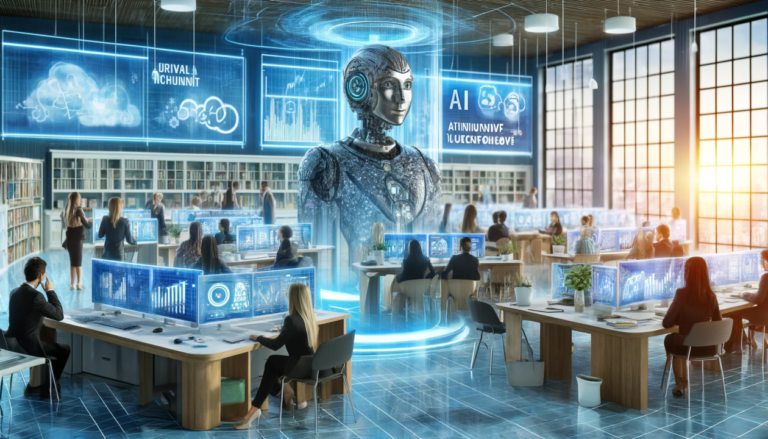
Beyond education, Gen Z is increasingly using artificial intelligence to boost productivity at work. As internships, freelance jobs, and entry-level roles become more competitive, young professionals are turning to AI tools to stay efficient and organized.
AI is commonly used for tasks such as:
- Drafting emails and reports
- Organizing schedules and managing tasks
- Analyzing data and generating insights
- Creating presentations and visual content
For many young workers, AI acts as a digital co-worker — handling repetitive tasks and allowing them to focus on creativity, strategy, and communication. This is particularly valuable in remote and hybrid work environments, where digital efficiency is essential.
Gen Z also views AI as a way to level the playing field. With limited experience, young professionals can use AI tools to improve the quality of their work, learn faster on the job, and adapt to new roles more quickly.
Creativity and Content Creation
Creativity is another major area where Gen Z embraces artificial intelligence. AI-powered tools are widely used to create content for social media, design graphics, edit videos, and even compose music.
On platforms like Instagram, TikTok, and YouTube, AI helps young creators:
- Generate captions and scripts
- Edit videos and enhance visuals
- Create digital art and illustrations
- Analyze engagement and optimize content
Rather than replacing creativity, AI often acts as a creative partner, enabling users to experiment with ideas and produce content faster. This has lowered barriers to entry, allowing more young people to express themselves and build personal brands online.
At the same time, this trend raises questions about originality, authorship, and the value of human creativity. For Gen Z, the challenge lies in using AI to enhance creativity without losing authenticity.
AI and Entertainment: Fun, Games, and Personalization
AI also plays a central role in how Gen Z experiences entertainment. Streaming platforms, gaming environments, and social media feeds are all heavily powered by artificial intelligence.
Recommendation algorithms personalize content based on user behavior, delivering music, movies, and videos tailored to individual preferences. While this personalization enhances user experience, it also shapes cultural consumption and raises concerns about echo chambers and reduced exposure to diverse content.
In gaming, AI improves realism through adaptive gameplay, smarter non-player characters, and immersive virtual environments. Some Gen Z users are also experimenting with AI-generated characters and interactive storytelling, blurring the line between gaming and narrative experiences.
AI chatbots and virtual companions are another growing trend, particularly among younger users seeking entertainment, creativity, or even emotional interaction. These tools highlight how AI is becoming not just functional, but social.
Digital Skills and Career Preparation
For Gen Z, using AI is increasingly seen as a career skill, not just a convenience. Familiarity with AI tools is becoming a valuable asset across industries, from marketing and finance to healthcare and technology.
Many young people are proactively learning how AI works, experimenting with prompts, automation, and basic data analysis. This self-driven learning reflects Gen Z’s awareness that future jobs will require adaptability and digital fluency.
Employers are also beginning to expect AI literacy, making early exposure a competitive advantage. Rather than fearing job displacement, many Gen Z workers see AI as a way to augment human skills and unlock new career paths.
Ethical Awareness and Concerns
Despite widespread adoption, Gen Z is not blind to the risks associated with artificial intelligence. Concerns around data privacy, algorithmic bias, misinformation, and job displacement are common topics of discussion among young users.
This generation tends to be more vocal about ethical technology use, demanding transparency and responsible AI development. Many support regulations that protect users while encouraging innovation.
There is also growing awareness of the mental health implications of constant AI-driven engagement, particularly on social media platforms. As a result, some Gen Z users are actively seeking healthier digital habits and greater control over technology use.
The Future: AI as a Permanent Companion
Looking ahead, artificial intelligence is likely to become even more deeply integrated into Gen Z’s lives. As AI tools evolve, they will continue to shape how young people learn, work, and connect with the world.
Rather than viewing AI as a threat, Gen Z largely sees it as a tool for empowerment — one that offers opportunities for growth, creativity, and efficiency. The key challenge will be maintaining balance: using AI to enhance human potential while preserving critical thinking, originality, and ethical responsibility.

Acerca del autor