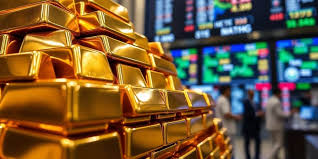
In times of economic uncertainty, rising inflation, and geopolitical tensions, investors tend to return to one of the oldest forms of wealth preservation: precious metals. Gold and silver have long been considered safe-haven assets, but in 2026 they are once again gaining momentum—not only as defensive tools, but also as strategic portfolio diversifiers.
From central bank buying to increased retail demand and technological uses for silver, precious metals are entering a new phase of relevance. Here’s how to invest in gold, silver, and other metals—and what smart investors should consider before adding them to their portfolios.
Why Precious Metals Matter in 2026
Gold has historically performed well during periods of financial instability. When stock markets become volatile or currencies weaken, investors often shift capital into tangible assets. In recent years, persistent inflation concerns, global debt expansion, and shifting monetary policies have strengthened gold’s appeal.
Silver, while often overshadowed by gold, offers a unique dual dynamic. It acts both as a monetary metal and as an industrial commodity. Its demand is supported by sectors such as renewable energy, electric vehicles, and electronics, making it a metal with both defensive and growth characteristics.
Other precious metals such as platinum and palladium are more industrially driven, primarily linked to automotive catalysts and emerging green technologies. While more volatile, they can offer tactical opportunities for investors willing to accept higher risk.
1. Physical Gold and Silver
The most traditional way to invest in precious metals is by purchasing physical bullion—bars or coins. Popular options include gold bullion bars, American Gold Eagles, Canadian Maple Leafs, and silver bullion coins.
Advantages:
- Direct ownership with no counterparty risk
- Tangible asset outside the financial system
- Long-term store of value
Risks:
- Storage and insurance costs
- Liquidity considerations
- No yield or dividend
Physical metals are best suited for long-term wealth preservation rather than short-term trading. Many investors allocate 5% to 15% of their portfolios to physical gold as a hedge against systemic risks.
2. Gold and Silver ETFs
Exchange-Traded Funds (ETFs) offer a convenient way to gain exposure to metals without handling physical assets. Gold ETFs such as those backed by physical bullion allow investors to track the price of gold through brokerage accounts.
Advantages:
- High liquidity
- Low transaction costs
- Easy portfolio integration
Risks:
- Management fees
- Indirect ownership structure
ETFs are ideal for investors who want flexibility and fast access to capital markets. They are particularly useful for tactical positioning when market conditions shift quickly.
3. Mining Stocks
Another way to invest in precious metals is through mining companies. Gold and silver miners often provide leveraged exposure to metal prices. When gold rises, mining profits can increase disproportionately.
Large-cap mining companies tend to offer more stability, while junior miners can provide significant upside—but with higher volatility.
Advantages:
- Potential dividends
- Leverage to metal prices
- Equity growth potential
Risks:
- Operational and geopolitical risks
- Cost overruns
- Market volatility
Mining stocks behave more like equities than pure metals. They can outperform during bull markets but may decline sharply during corrections.
4. Precious Metal Mutual Funds and ETFs Focused on Miners
For investors who prefer diversification within the sector, funds that hold multiple mining companies can reduce company-specific risk. These funds spread exposure across producers, developers, and exploration firms.
This approach can be especially attractive for long-term investors who believe in the structural bull case for metals but want risk mitigation.
5. Platinum and Palladium Opportunities
While gold and silver dominate headlines, platinum and palladium present niche opportunities. Their prices are closely linked to industrial demand, particularly from the automotive sector.
Platinum has recently gained attention due to potential supply constraints and its role in hydrogen fuel cell technologies. However, these metals are more cyclical and less suitable as pure safe-haven assets.
Portfolio Strategy: How Much Should You Allocate?
Financial advisors often recommend a modest allocation to precious metals as part of a diversified portfolio. A common range is 5% to 10%, though more risk-averse investors may go higher during uncertain periods.
Gold tends to perform well when:
- Real interest rates decline
- The U.S. dollar weakens
- Geopolitical tensions rise
- Equity markets face stress
Silver often outperforms gold during strong economic expansions due to its industrial demand component.
The key is balance. Precious metals should complement, not replace, equities and fixed income investments.
Risks to Consider
Despite their defensive reputation, precious metals are not risk-free. Prices can remain flat for extended periods, especially when interest rates are rising. Unlike stocks or bonds, metals do not generate income.
Timing also matters. Buying during peak euphoria can limit returns, while disciplined accumulation during market corrections tends to yield better long-term outcomes.
The Long-Term Bull Case
Several structural trends support a constructive outlook for precious metals:
- Persistent global debt levels
- Central bank diversification away from fiat currencies
- Energy transition driving silver demand
- Increasing geopolitical fragmentation
In addition, central banks have been net buyers of gold in recent years, reinforcing its role as a strategic reserve asset.
For long-term investors, precious metals represent stability in an increasingly uncertain world. They may not always lead the market, but they often provide resilience when other assets falter.
Final Thoughts
Investing in precious metals is not about chasing quick gains—it’s about protecting purchasing power and enhancing portfolio diversification. Whether through physical bullion, ETFs, or mining stocks, gold and silver remain essential tools for investors navigating complex economic landscapes.
As 2026 unfolds, the renewed focus on hard assets suggests that precious metals are more than relics of the past. They are strategic components of modern portfolios—blending history, stability, and long-term opportunity.

NextGenInvest is an independent publication covering global markets, artificial intelligence, and emerging investment trends. Our goal is to provide context, analysis, and clarity for readers navigating an increasingly complex financial world.
By Juanma Mora
Financial & Tech Analyst
Acerca del autor