How to Start Investing: A Step-by-Step Guide for Beginners in a Changing Financial World
Investing is no longer reserved for financial experts, high earners, or Wall Street insiders. In 2026, access to financial markets is easier than ever, thanks to digital platforms, low-cost investment tools, and a growing culture of financial education. Yet for many people, the first step remains the hardest. Fear of losing money, lack of knowledge, and market volatility often keep beginners on the sidelines.
Understanding how to start investing is not about chasing quick profits. It is about building a long-term strategy that aligns with your goals, risk tolerance, and personal circumstances. This guide breaks down the fundamentals every beginner should know before investing their first euro or dollar.
1. Define Your Financial Goals First
Before investing a single cent, it is essential to clarify why you want to invest. Are you saving for retirement, building wealth over the next 10–20 years, or setting aside money for a future purchase such as a home? Your investment horizon will strongly influence the type of assets you choose.
Short-term goals generally require safer, more liquid options, while long-term goals allow for greater exposure to assets like stocks, which tend to offer higher returns over time but come with higher volatility. Clear goals provide direction and prevent emotional decision-making when markets fluctuate.
2. Build a Safety Net Before You Invest
One of the most common mistakes beginners make is investing money they might need in the near future. Before entering the market, experts recommend building an emergency fund equivalent to three to six months of living expenses. This fund should be kept in a safe and easily accessible account.
Having a financial cushion reduces the risk of being forced to sell investments during market downturns, which can lock in losses and derail long-term plans.
3. Understand Your Risk Tolerance
Risk tolerance refers to how comfortable you are with market ups and downs. Some investors can tolerate sharp short-term losses without panicking, while others feel stressed by even small fluctuations. There is no right or wrong level of risk—only what is right for you.
Generally, younger investors with long time horizons can afford to take more risk, while those closer to retirement may prefer more conservative portfolios. Knowing your risk profile helps you choose the right mix of assets and avoid decisions driven by fear or overconfidence.
4. Start with Simple Investment Products
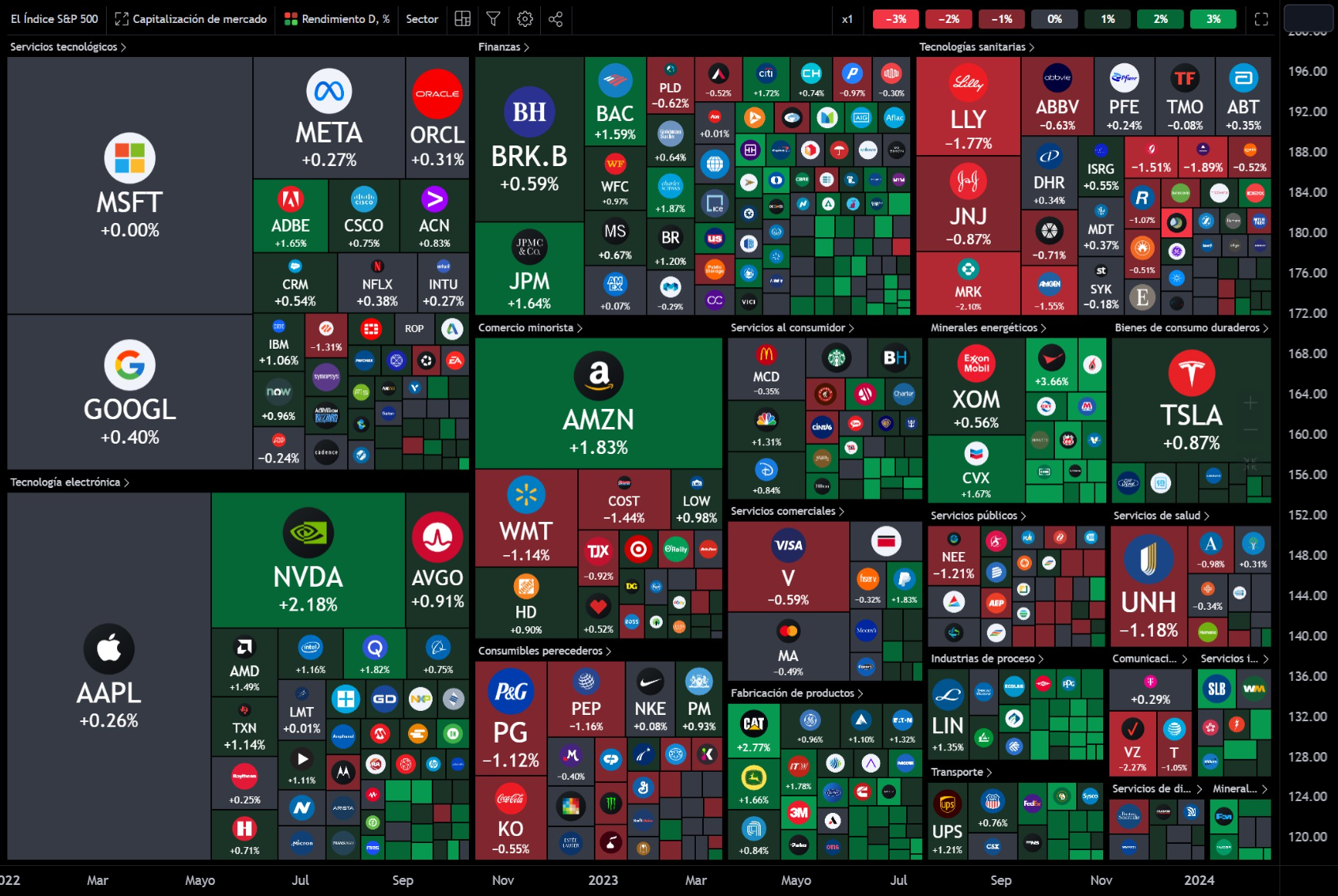
For beginners, simplicity is a powerful advantage. Exchange-Traded Funds (ETFs) and index funds are often considered ideal starting points. These products track broad market indices, such as the S&P 500 or global stock markets, offering instant diversification at a low cost.
Instead of trying to pick individual stocks, which requires time and expertise, index-based investing allows beginners to participate in overall market growth. Over the long term, this strategy has historically outperformed many actively managed portfolios.
5. Use Reliable and Regulated Investment Platforms
Technology has transformed investing, but not all platforms are created equal. Choose regulated brokers or investment apps with transparent fees, strong security measures, and clear educational resources. Low fees matter more than many beginners realize, as costs compound over time and can significantly reduce long-term returns.
Automation tools, such as recurring monthly investments, can also help beginners stay disciplined and avoid the temptation to time the market.
6. Diversification Is Not Optional
Diversification means spreading investments across different asset classes, sectors, and regions to reduce risk. A diversified portfolio helps protect against unexpected events affecting a single company, industry, or country.
Even small investors can achieve diversification through ETFs that provide exposure to global equities, bonds, and other asset classes. Diversification does not eliminate risk, but it helps manage it more effectively.
7. Think Long Term and Ignore the Noise
Financial markets are influenced by headlines, geopolitical tensions, interest rate changes, and economic cycles. For beginners, reacting to daily market news can lead to poor decisions. Successful investing is less about timing the market and more about time in the market.
Long-term investors benefit from compound growth, where returns generate additional returns over time. Staying invested through market cycles has historically been one of the most effective strategies for building wealth.
8. Keep Learning and Reviewing Your Strategy
Investing is not a one-time decision but an ongoing process. As your income, goals, and personal situation change, your investment strategy should evolve. Regularly reviewing your portfolio ensures it remains aligned with your objectives.
Fortunately, financial education has never been more accessible. Books, podcasts, online courses, and reputable financial content can help investors deepen their understanding and make more informed decisions.
A Final Thought
Starting to invest does not require perfect timing, advanced knowledge, or large sums of money. What matters most is taking a thoughtful, disciplined approach and committing to the long term. In a world shaped by inflation, technological disruption, and economic uncertainty, investing remains one of the most powerful tools for protecting and growing personal wealth.
For beginners, the key is not to seek fast returns, but to build a solid foundation—one step at a time.

Acerca del autor