Iran Erupts in Nationwide Protests as Tensions Rise Over Possible U.S. Intervention
The Islamic Republic of Iran is facing one of the most intense waves of unrest in recent history as mass protests have erupted across the country, driven initially by economic hardship and rapidly escalating into a broader challenge to the ruling theocratic regime. At the same time, tensions have soared internationally, with United States leaders warning of possible intervention and Iran responding with threats of retaliation.
Widespread Unrest and Its Origins
What began in late December 2025 as demonstrations sparked by deepening economic distress—soaring inflation, a collapsing currency, and rising prices for basic goods—transformed into a nationwide movement against the government of Supreme Leader Ayatollah Ali Khamenei. The protests, which have now spread to all 31 provinces, are some of the largest Iran has seen in decades and reflect widespread frustration over a stagnating economy and lack of political freedoms.
Iran’s economy has been under severe strain for years due to international sanctions targeting its oil sector, the lingering impacts of regional conflicts, and structural weaknesses. The Iranian rial has plummeted, dramatically eroding purchasing power and fueling discontent among ordinary citizens. What started with calls for relief from chronic inflation has quickly morphed into a broader demand for systemic change.
Brutal Crackdown and Rising Death Toll
The government’s response has been harsh. Security forces have used live ammunition against demonstrators, resulting in hundreds—possibly thousands—of deaths according to various reports, while thousands more have been detained. Iran imposed a near-total internet and communications blackout, making independent verification of casualty figures difficult and contributing to fears of widespread repression.
Human rights groups and the United Nations Office of the High Commissioner for Human Rights have condemned the violent crackdown, expressing alarm over reports that Iranian security forces have killed peaceful protesters and urging respect for civilians’ rights.
U.S. Reaction and the Possibility of Intervention
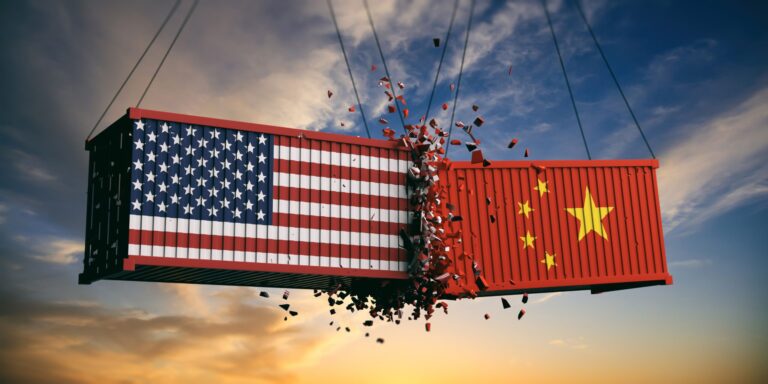
As the unrest escalated, U.S. President Donald Trump renewed warnings of possible intervention in Iran, pressing Tehran to refrain from killing protesters and signaling support for the demonstrators. Statements by U.S. officials have included threats of military action or other punitive measures should the violence continue, and discussions reportedly took place between U.S. and Israeli leadership on potential responses.
In addition, the U.S. government has advised its citizens to leave Iran, citing the dangerous and unstable conditions. This step reflects Washington’s concerns about the safety of foreign nationals amid growing unrest and indicates that U.S. policymakers are taking the crisis seriously.
Iran, for its part, has strongly rejected any notion of foreign intervention, accusing the United States and Israel of fomenting unrest and interfering in its internal affairs. Tehran has warned that any attack on Iranian soil would prompt retaliatory strikes against U.S. and Israeli interests, significantly raising the stakes of the crisis.
The Broader Geopolitical Context
The situation in Iran comes amid enduring geopolitical tensions in the Middle East. Relations between Tehran and Western powers—particularly the United States—have been fraught for decades, largely shaped by conflict over Iran’s nuclear program, regional influence, and support for proxy groups in neighboring countries. The resurgence of protests adds a new domestic pressure point while complicating international diplomacy. Analysts suggest that if Iran’s political order appears vulnerable, external actors might weigh options to influence outcomes, but such involvement carries the risk of destabilizing the wider region.
Beyond immediate security concerns, the unrest highlights broader questions about governance, economic management, and public accountability in Iran. What started as economic protests has quickly taken on a political dimension, revealing deep dissatisfaction among Iranians with their leadership and the country’s direction.
Internal and External Ramifications
Within Iran, the protests have exposed rifts not only between citizens and the government but also within the broader power structure. Support for the Islamic Republic has weakened among diverse segments of society, including younger generations who see few opportunities and fewer freedoms under the current system.
Internationally, the situation presents a diplomatic dilemma for the United States and other world powers. On one hand, there is pressure to uphold human rights and support democratic aspirations; on the other, there are risks associated with intervention or strategies perceived as interference. Such actions could inflame anti-Western sentiment, provoke regional conflict, or entangle foreign governments in a protracted crisis.
What Comes Next?
At this critical moment, the world watches as events in Iran unfold. Continued repression could further escalate tensions at home and abroad, while cautious engagement from external powers could influence the trajectory of the unrest. The possibility of U.S. intervention—military or otherwise—remains a subject of debate, but it underscores the fragile nature of the current crisis.
As protests persist and international pressure mounts, the future of Iran’s political landscape is uncertain. What is clear is that this wave of unrest is among the most consequential in recent memory, with implications that extend far beyond Iran’s borders and could reshape regional dynamics for years to come.

Acerca del autor