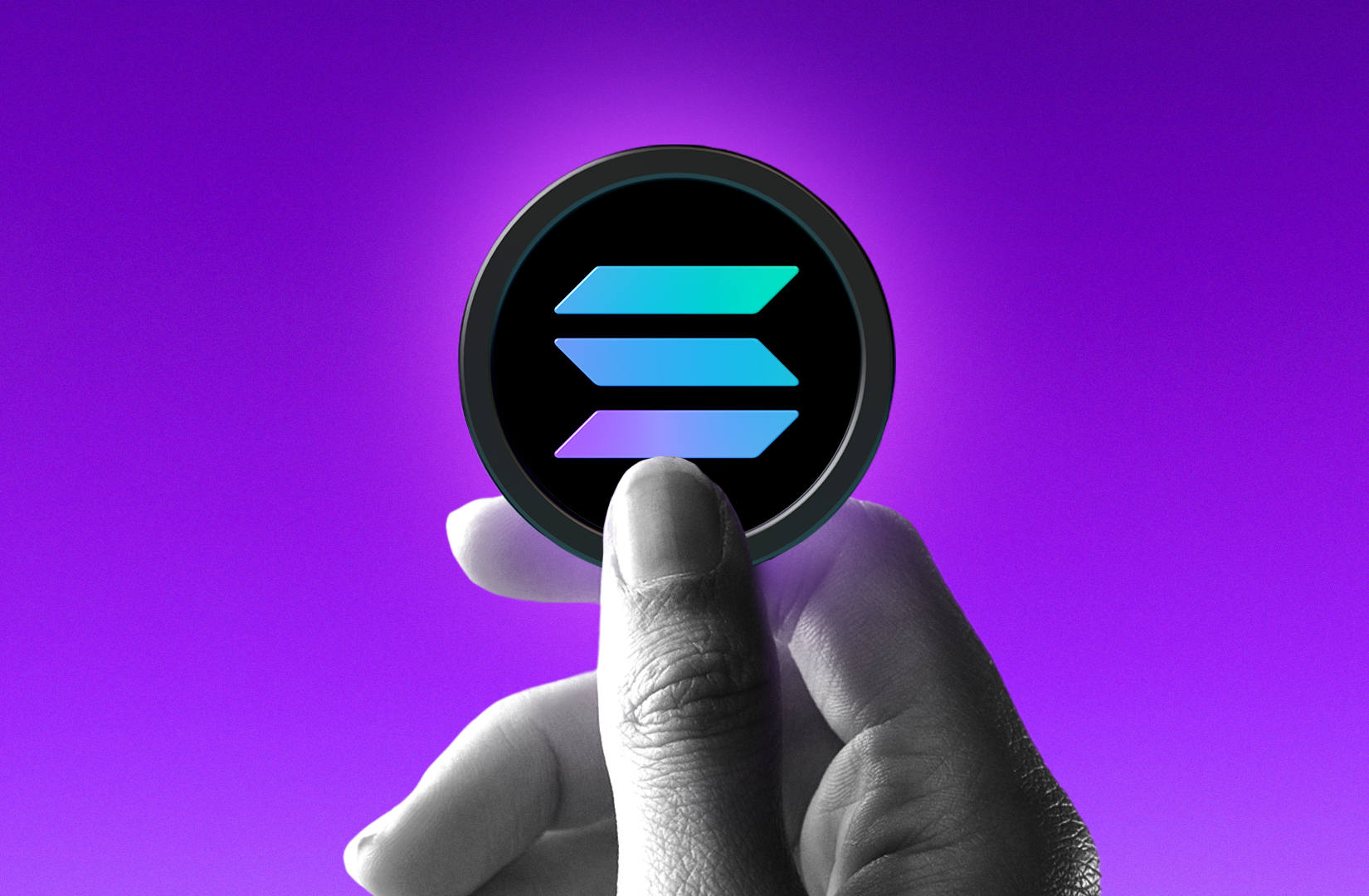
Solana (SOL) has once again captured the attention of the cryptocurrency market, positioning itself as one of the strongest-performing major digital assets in recent months. Known for its high-speed blockchain and low transaction costs, Solana is benefiting from renewed investor confidence, expanding ecosystem activity, and growing adoption in decentralized finance (DeFi), non-fungible tokens (NFTs), and Web3 applications.
Over the past year, Solana’s price performance has reflected a broader recovery in the crypto market, but with added momentum driven by its own fundamentals. SOL has shown notable volatility, a characteristic common in the crypto space, yet the overall trend has remained positive. Analysts highlight that trading volumes have increased significantly, suggesting stronger participation from both retail and institutional investors. This rise in liquidity has helped stabilize price movements and reduce the impact of sudden sell-offs compared to previous cycles.
One of the key drivers behind Solana’s resurgence is the steady growth of its on-chain activity. Daily active addresses and transaction counts have risen, supported by the network’s ability to process thousands of transactions per second at a fraction of the cost of competing blockchains. This efficiency continues to attract developers looking for scalable solutions, particularly as congestion and high fees remain challenges on other networks.
The Solana ecosystem has also expanded rapidly. DeFi protocols built on Solana have seen an increase in total value locked (TVL), reflecting renewed trust after the network outages that affected its reputation in earlier years. Improvements in infrastructure, validator decentralization, and network upgrades have significantly enhanced stability, addressing one of the main concerns raised by critics. As a result, Solana is increasingly viewed as a mature blockchain rather than an experimental platform.
NFT activity is another important factor supporting Solana’s growth. While Ethereum still dominates the NFT market, Solana has carved out a strong niche thanks to faster minting times and lower fees. Popular NFT marketplaces and gaming projects continue to launch on Solana, contributing to higher user engagement and reinforcing demand for SOL as the native utility token used for fees and staking.
From a macro perspective, Solana’s performance is also influenced by broader market trends. Expectations of more favorable monetary conditions and increased interest in digital assets have supported risk-on sentiment among investors. In this context, Solana is often seen as a high-beta asset, meaning it can outperform the market during bullish phases but may also experience sharper corrections during downturns.
Looking ahead, analysts remain cautiously optimistic about Solana’s outlook. Key resistance and support levels are closely watched by traders, while long-term investors focus on adoption metrics rather than short-term price fluctuations. Potential catalysts include further ecosystem partnerships, increased institutional exposure, and continued growth in real-world use cases such as payments, gaming, and decentralized social platforms.
However, risks remain. Competition among layer-1 blockchains is intense, with networks like Ethereum, Avalanche, and newer modular solutions constantly innovating. Regulatory uncertainty in major markets also poses a challenge, as changes in crypto policy could impact investor sentiment and capital flows.
In conclusion, Solana stands out as one of the most dynamic projects in the cryptocurrency space. Its combination of technological efficiency, expanding ecosystem, and renewed market confidence has strengthened its position among top digital assets. While volatility is likely to persist, Solana’s long-term potential continues to attract investors who believe in its vision of a fast, scalable, and user-friendly blockchain for the next generation of Web3 applications.
Acerca del autor