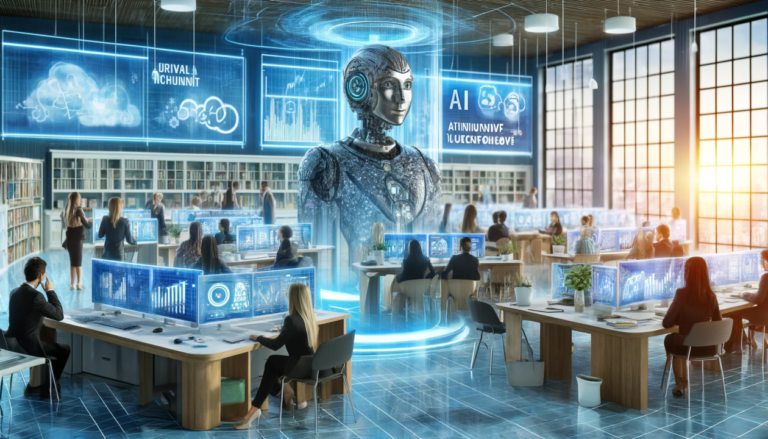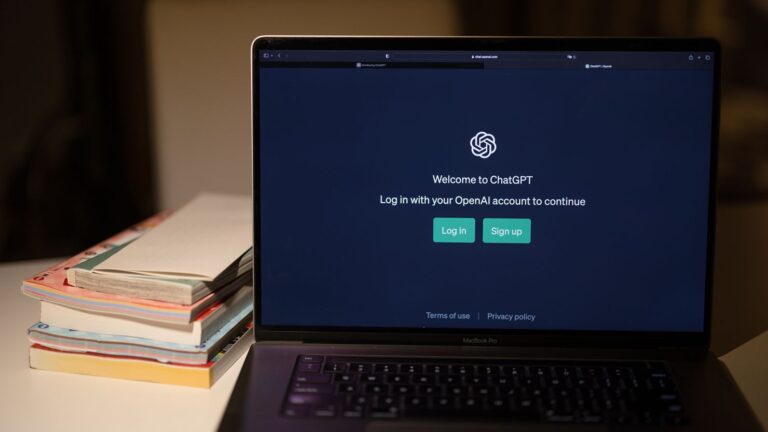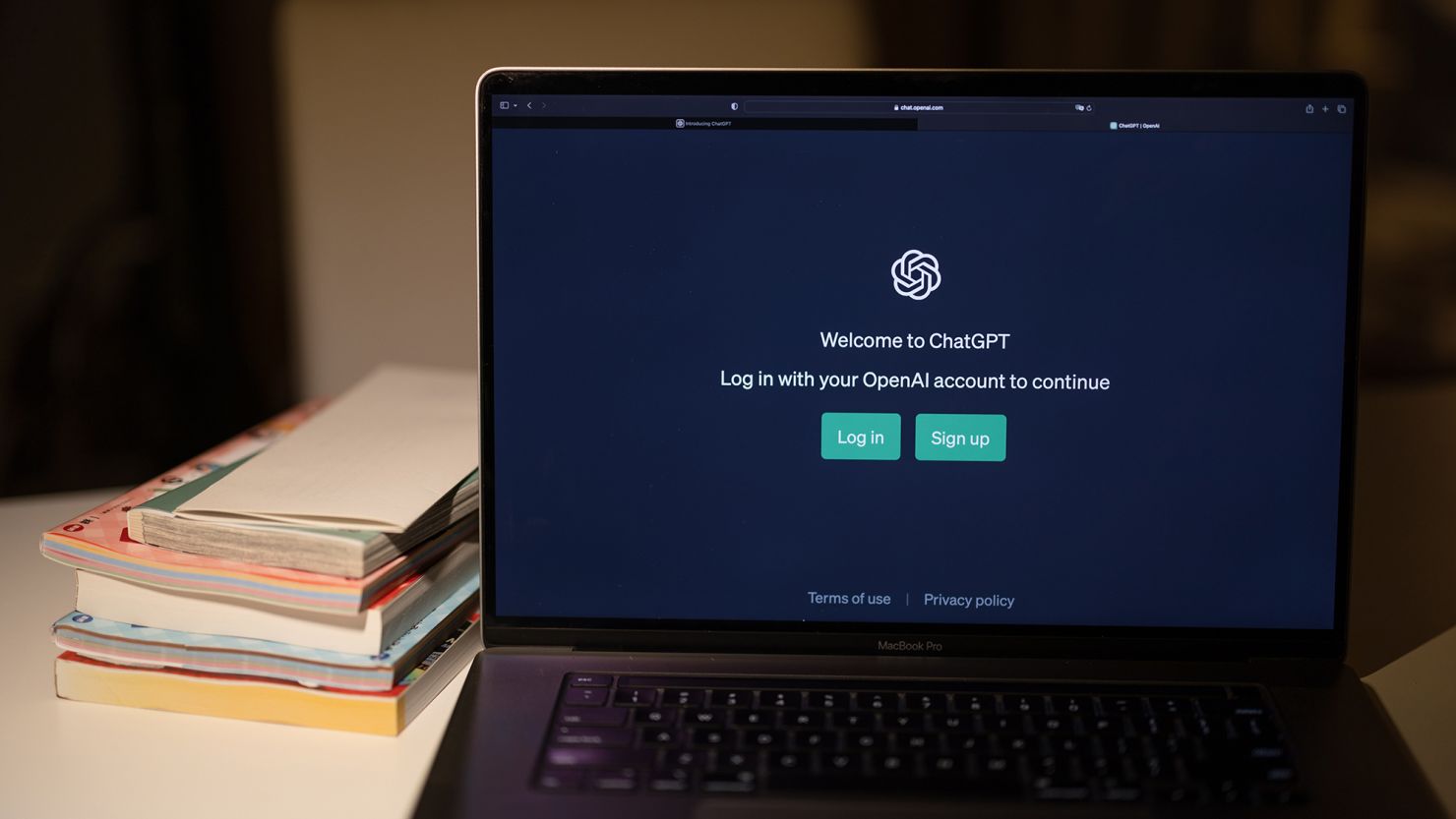
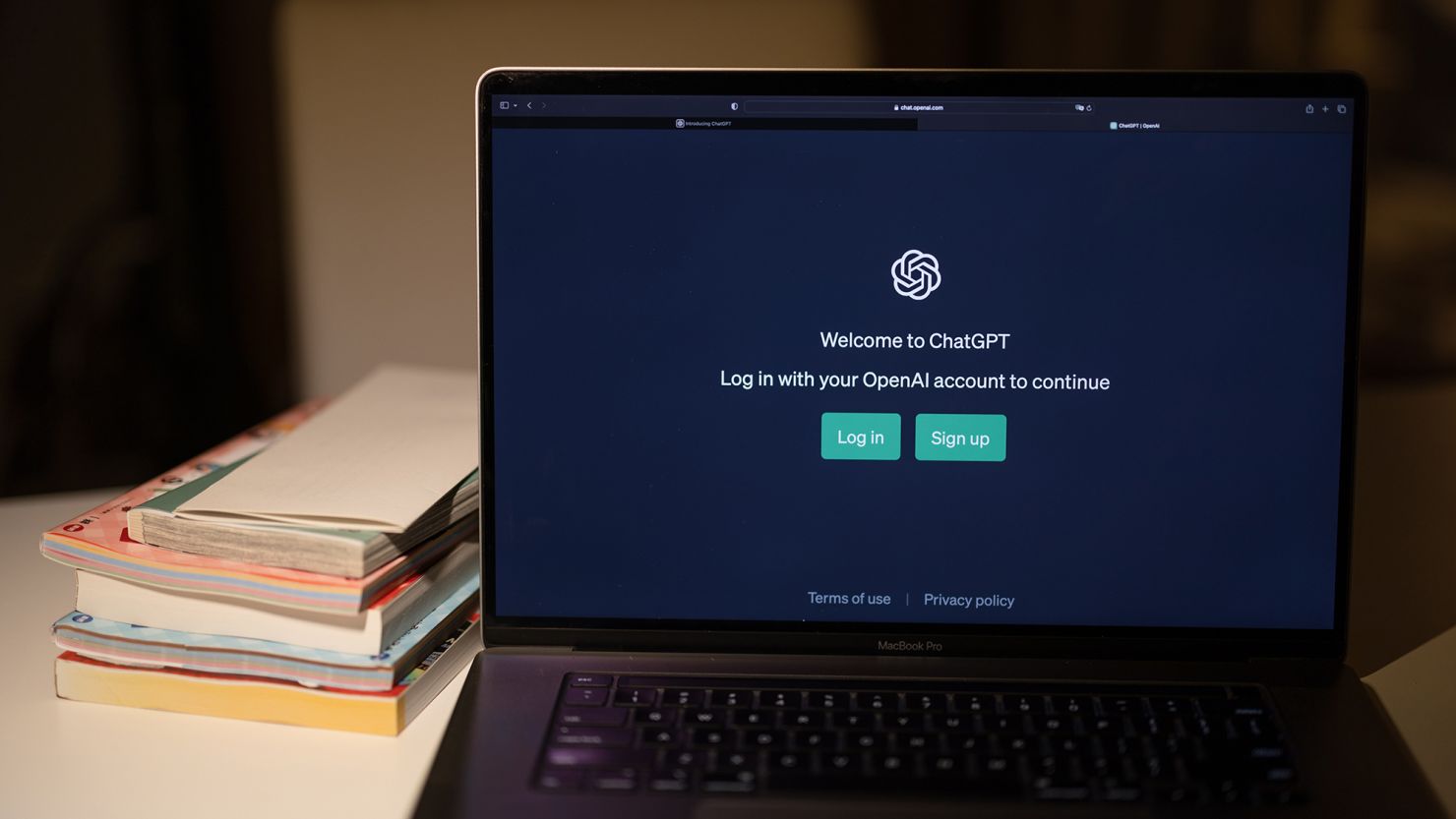
Artificial intelligence is transforming education at a breathtaking pace. From instant essay generators to AI-powered tutoring systems, students today have access to tools that previous generations could barely imagine. Yet as classrooms adapt to this new reality, a growing debate is emerging: while it has never been easier to pass exams, it may never have been harder to genuinely learn.
Across high schools and universities worldwide, AI systems such as ChatGPT and other generative platforms are increasingly embedded into daily study routines. Students use them to summarize textbooks, draft essays, solve complex equations, generate coding scripts, and even prepare for oral exams. The convenience is undeniable. The educational implications, however, are far more complex.
The Rise of Effortless Performance
In the past, writing a research paper required hours in a library, careful note-taking, drafting, revising, and citing sources manually. Today, a student can input a prompt into an AI tool and receive a structured, coherent essay within seconds. Need practice questions for an exam? AI can generate them instantly. Struggling with calculus? Step-by-step solutions appear on demand.
For many students, AI feels like a superpower. Academic productivity has surged. Deadlines feel less intimidating. Even students who previously struggled with language barriers or learning difficulties report improved confidence thanks to AI-assisted explanations.
But this efficiency comes with a hidden cost.
When Convenience Replaces Cognitive Struggle


4
Learning has always depended on cognitive effort. Educational psychology consistently shows that deep understanding emerges from struggle — from grappling with difficult concepts, making mistakes, and revising ideas. When AI removes that friction, it can also remove the mental processes that lead to durable knowledge.
Students who rely heavily on AI-generated answers may achieve higher grades without fully internalizing the material. They can produce polished work, but struggle to explain underlying principles without technological assistance.
Professors across universities in the United States and Europe report a noticeable shift. Essays are more grammatically refined, but classroom discussions sometimes reveal gaps in comprehension. The surface looks impressive; the foundation is often weaker.
Redefining Academic Integrity
The rapid adoption of AI has forced educational institutions to reconsider what constitutes academic honesty. Is using AI assistance equivalent to plagiarism? Or is it comparable to using a calculator?
Many schools have updated their policies to clarify acceptable use. Some encourage transparency, allowing students to use AI tools as long as they disclose it. Others have implemented AI-detection systems, though these are far from perfect.
The conversation increasingly centers not on banning AI, but on teaching students how to use it responsibly. After all, AI literacy is becoming a valuable professional skill. In industries ranging from finance to healthcare, knowing how to leverage AI effectively is a competitive advantage.
AI as Tutor, Not Substitute
4
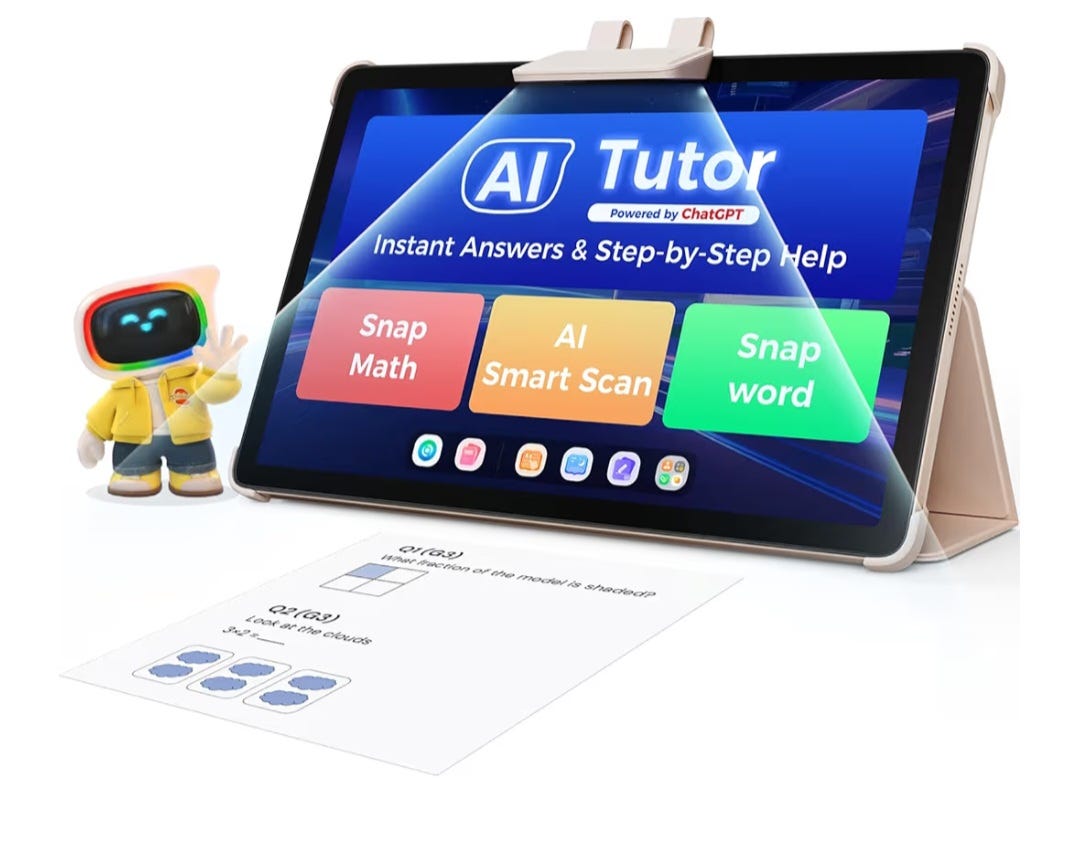
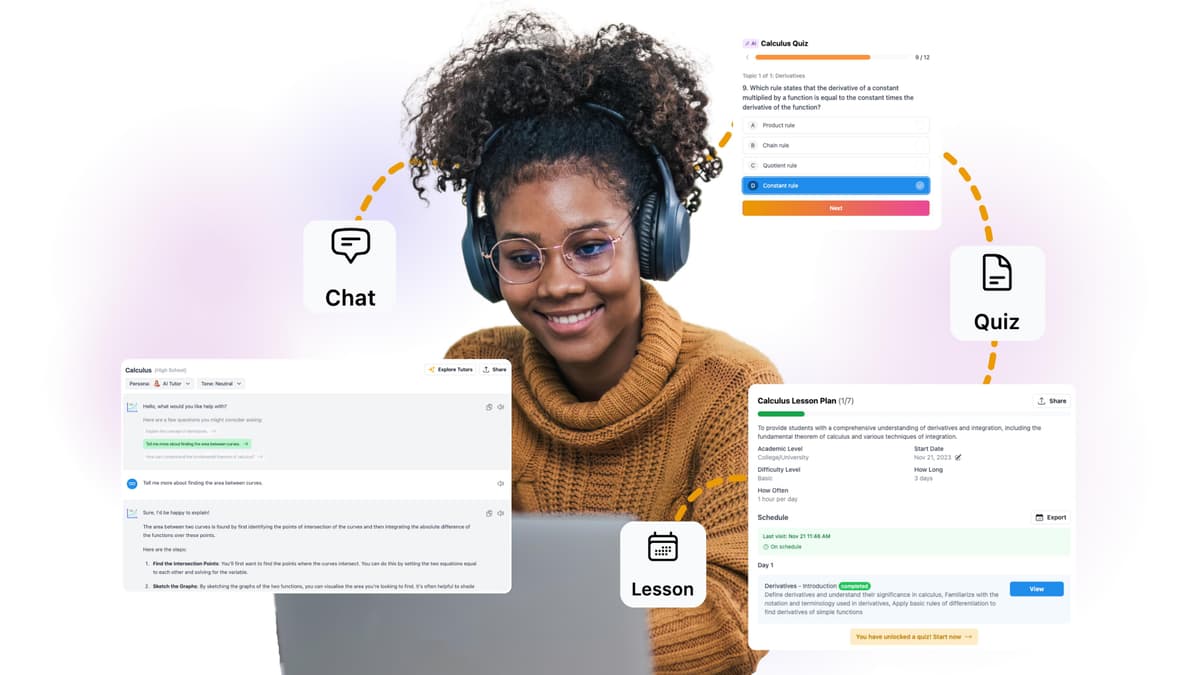
When used thoughtfully, AI can enhance learning rather than replace it. Personalized tutoring systems can adapt explanations to a student’s pace. AI can identify knowledge gaps, suggest targeted practice exercises, and provide instant feedback.
For students without access to private tutoring, AI offers democratized academic support. It can explain complex physics problems in simpler terms, translate difficult texts, or simulate interactive debates to sharpen critical thinking.
The key difference lies in intention. Using AI to understand a concept is fundamentally different from using it to bypass understanding altogether.
The Psychological Shift in Study Culture
Beyond academic performance, AI is changing students’ relationship with knowledge. The temptation to outsource thinking is real. Why memorize information if an algorithm can retrieve it instantly? Why practice writing if a model can generate it faster?
This shift mirrors broader societal changes driven by smartphones and search engines. Yet education has traditionally been one of the few spaces designed to cultivate deep, sustained intellectual effort.
Educators worry that overreliance on AI could weaken essential skills such as critical analysis, original argumentation, and problem-solving under pressure. Exams that once measured mastery may increasingly measure prompt-writing ability.
At the same time, some experts argue that memorization is becoming less relevant in a world where information is ubiquitous. Instead, schools may need to prioritize skills such as critical evaluation of AI outputs, ethical reasoning, and interdisciplinary thinking.
A Turning Point for Education
The debate is not about whether AI will remain in education — it will. The real question is how institutions, teachers, and students adapt.
Forward-thinking universities are redesigning assessments. Oral exams, project-based learning, collaborative research, and in-class problem-solving are gaining renewed importance. These formats make it harder to outsource thinking and easier to evaluate genuine comprehension.
Some schools are even integrating AI directly into coursework, teaching students how to critique, refine, and challenge AI-generated responses. In this model, AI becomes a partner in intellectual development rather than a shortcut.
Passing vs. Learning: The Core Tension
The phrase “It has never been easier to pass, but never harder to learn” captures the paradox of AI-era education. Grades can improve while understanding stagnates. Productivity can rise while depth declines.
Yet this outcome is not inevitable.
Technology itself is neutral. Its impact depends on how it is used. AI can either hollow out education or elevate it to unprecedented levels of personalization and accessibility.
For students, the responsibility is clear: use AI to strengthen thinking, not replace it. For educators, the challenge is to design systems that reward insight over output. And for institutions, the mission is to redefine learning objectives in a world where information is abundant but wisdom remains scarce.
As artificial intelligence continues to evolve, one thing is certain: the future of education will not be defined by whether students use AI, but by whether they allow it to think for them — or think with them.

NextGenInvest is an independent publication covering global markets, artificial intelligence, and emerging investment trends. Our goal is to provide context, analysis, and clarity for readers navigating an increasingly complex financial world.
By Juanma Mora
Financial & Tech Analyst
Acerca del autor