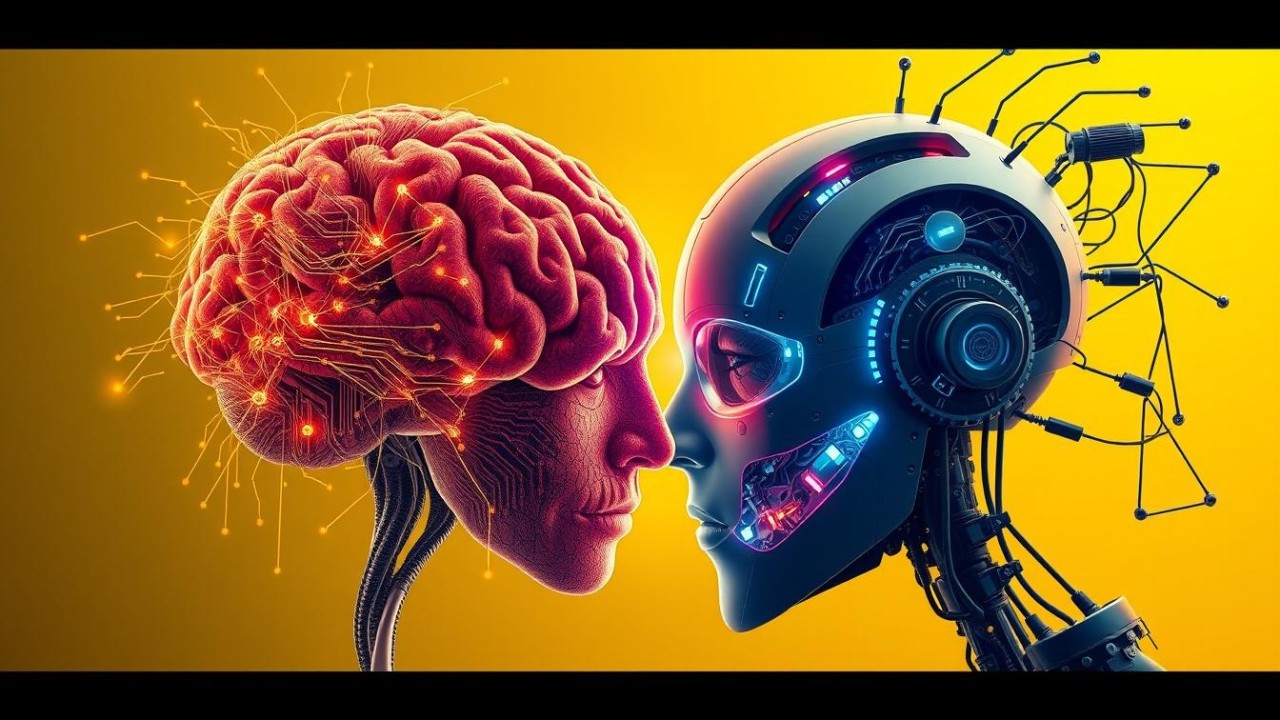
The Debate That Shook Davos: Could Artificial General Intelligence Surpass Humans Within Five Years?
A high-profile debate at the World Economic Forum in Davos has reignited global discussion around the future of artificial intelligence, with several technology leaders and researchers suggesting that Artificial General Intelligence (AGI) could surpass human capabilities within the next five years. The claim has sparked intense reactions across business, political, and academic circles, highlighting both excitement and deep concern about the pace of AI development.
What Is Artificial General Intelligence?
Unlike today’s AI systems, which are designed to perform specific tasks, AGI refers to machines capable of understanding, learning, and applying knowledge across a wide range of domains, matching or exceeding human cognitive abilities. This includes reasoning, problem-solving, creativity, and autonomous decision-making.
While AGI has long been considered a distant goal, rapid advances in large language models, multimodal systems, and autonomous agents have pushed the concept closer to reality than many experts previously expected.
Why Davos Became the Epicenter of the Debate
At Davos, executives from leading technology firms, AI researchers, and policymakers openly discussed whether the world is approaching a critical inflection point. Some participants argued that the exponential growth in computing power, data availability, and model efficiency could accelerate the arrival of AGI far sooner than anticipated.
Others cautioned that while progress is undeniable, true AGI remains an extraordinary technical and scientific challenge, and current systems still lack genuine understanding, consciousness, and independent reasoning.
Optimism Meets Deep Concern
Supporters of rapid AGI development highlighted its potential benefits, including breakthroughs in medicine, climate modeling, scientific research, and productivity. According to this view, AGI could help solve complex global problems that have long exceeded human capacity.
However, critics warned that such power could come with significant risks. These include mass job displacement, loss of human control over decision-making systems, cybersecurity threats, and ethical dilemmas surrounding accountability and governance.
Several speakers emphasized that the question is no longer if AGI will emerge, but how prepared society will be when it does.
Business Leaders and Governments on Alert
The discussion at Davos underscored growing concern among CEOs and policymakers. If AGI arrives within five years, businesses may face unprecedented disruption across nearly every industry, from finance and manufacturing to healthcare and education.
Governments, meanwhile, are under pressure to accelerate efforts around AI regulation, safety frameworks, and international cooperation. Many participants called for global standards to ensure AGI development aligns with human values and democratic principles.
The Talent and Investment Race
Another key theme was the intensifying race for AI talent and capital. Investment in advanced AI systems continues to surge, with companies pouring billions into research infrastructure, specialized chips, and data centers.
This competition, some experts warned, could incentivize speed over safety, increasing the risk of unintended consequences if powerful systems are deployed without adequate safeguards.
Skepticism From the Scientific Community
Despite the bold predictions, many scientists remain skeptical of a five-year timeline. They argue that current AI systems, while impressive, still rely heavily on pattern recognition rather than true understanding.
According to this camp, achieving AGI will require fundamental breakthroughs in areas such as reasoning, memory, and alignment—challenges that may take decades, not years, to fully resolve.
A Defining Question for the Decade Ahead
What made the Davos debate particularly striking was the shift in tone. Conversations about AGI are no longer confined to research labs or science fiction; they are now central to global economic and political strategy.
Whether AGI surpasses human intelligence in five years or fifty, the discussion itself reflects a growing consensus: artificial intelligence is set to become one of the most powerful forces shaping the future of humanity.
As Davos made clear, the real challenge may not be technological—but how society chooses to manage, govern, and coexist with intelligence it has created.

Acerca del autor