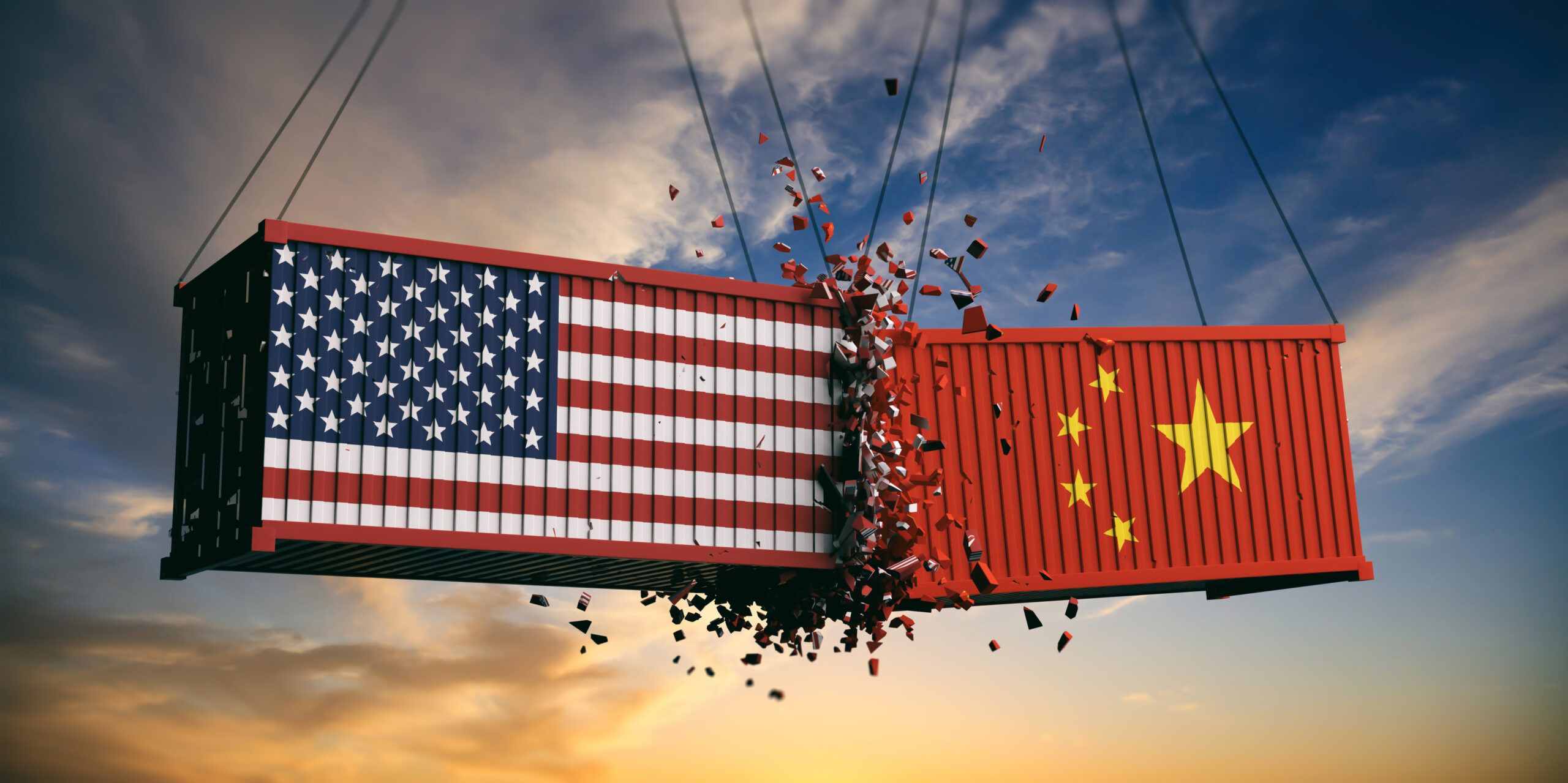
The Global Democratic Recession: How Human Rights Are Being Eroded in the World’s Major Powers
Over the past two decades, the idea that democracy and human rights would steadily expand across the globe has been replaced by a far more troubling reality. According to multiple international indicators, including Freedom House, the world is experiencing a prolonged “democratic recession”—a period marked by declining civil liberties, weakened institutions, and growing authoritarian influence. Strikingly, this regression is not limited to emerging or fragile states. Even global powers such as the United States, Russia, and China are today less free than they were 20 years ago.
This trend signals a profound shift in the global political order, with significant implications for human rights, economic stability, and international governance.
The United States: Democratic Backsliding From Within
Two decades ago, the United States was widely viewed as a benchmark for democratic governance. While it remains a democracy, its democratic quality has visibly deteriorated. Political polarization has reached historic levels, trust in institutions has eroded, and the integrity of electoral processes has come under sustained pressure.
Key concerns include efforts to restrict voting access in several states, the politicization of the judiciary, and increasing attacks on press freedom. The events surrounding the 2020 presidential election and the January 6, 2021 Capitol riot exposed vulnerabilities that many believed were unthinkable in a consolidated democracy.
From a human rights perspective, systemic racial inequalities, mass incarceration, and the rollback of reproductive rights have further weakened the country’s standing. The U.S. is no longer immune to the global forces undermining democratic norms—it has become part of them.
Russia: From Flawed Democracy to Entrenched Authoritarianism
Russia’s democratic decline has been far more dramatic. In the early 2000s, the country still retained elements of pluralism, competitive elections, and a relatively diverse media landscape. Today, those features have largely vanished.
Under Vladimir Putin’s rule, political opposition has been systematically dismantled, independent media outlets shut down or forced into exile, and civil society organizations branded as “foreign agents.” The imprisonment and death of opposition figures, the criminalization of dissent, and the use of security laws to silence critics have become defining features of the Russian system.
The war in Ukraine has accelerated this repression. New legislation has effectively outlawed criticism of the military, while surveillance and censorship have expanded to unprecedented levels. Russia now ranks among the world’s most repressive states, with human rights subordinated entirely to regime stability.
China: Economic Power Without Political Freedom
China’s trajectory highlights a different dimension of the democratic recession. While the country has never been a liberal democracy, its level of political openness and civil freedoms has declined sharply over the past 20 years.
Under President Xi Jinping, power has become increasingly centralized, term limits have been removed, and ideological control has intensified. Surveillance technologies, facial recognition, and big data are now integral tools of social control, creating what many analysts describe as a digital authoritarian model.
Human rights abuses in Xinjiang, the dismantling of Hong Kong’s autonomy, censorship of the internet, and the persecution of journalists and activists illustrate how economic modernization has not translated into greater freedom. Instead, China has refined a governance model that combines efficiency, nationalism, and repression—one that is increasingly influential beyond its borders.
A Global Pattern, Not Isolated Cases
The democratic recession is not confined to these three powers. More than two-thirds of the world’s population now lives in countries where freedom is declining. Elections are increasingly manipulated, emergency powers normalized, and courts weakened.
What makes the current moment particularly concerning is that major global actors are driving this trend, not resisting it. When leading economies and geopolitical powers downgrade democratic values, international norms weaken, and authoritarian practices gain legitimacy.
Why This Matters for Business and Global Leadership
For business leaders, investors, and policymakers, democratic backsliding is not an abstract moral issue—it carries concrete risks. Weak rule of law increases regulatory uncertainty, political repression raises reputational risks, and social unrest undermines long-term economic growth.
Moreover, the erosion of human rights threatens global cooperation on issues such as climate change, technological governance, and supply chain resilience. Democracies tend to be more predictable partners; authoritarian systems often prioritize short-term control over long-term stability.
Conclusion: A Turning Point for Freedom
The fact that the United States, Russia, and China are all less free than they were 20 years ago underscores a sobering reality: democracy is no longer the default direction of history. Reversing the democratic recession will require renewed institutional strength, civic engagement, and international cooperation.
The next decade will likely determine whether this global decline in freedom deepens—or whether democratic values can regain momentum in an increasingly fragmented world.

Acerca del autor