U.S. Shows Stronger GDP Growth as Consumer Confidence Falls Amid Internal Political Tensions
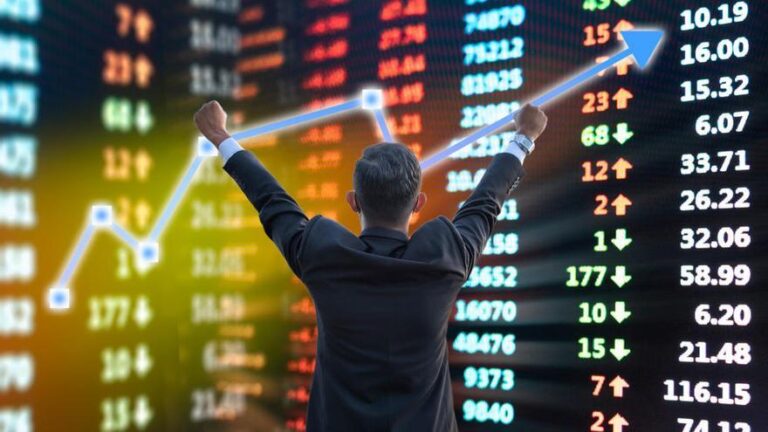
The U.S. economy is delivering a paradox that is increasingly shaping public debate and investor sentiment: stronger-than-expected GDP growth alongside a steady decline in consumer confidence. While headline economic data point to resilience and expansion, many Americans remain skeptical about the true health of the economy, reflecting concerns over living costs, political polarization, and uncertainty about future policy direction.
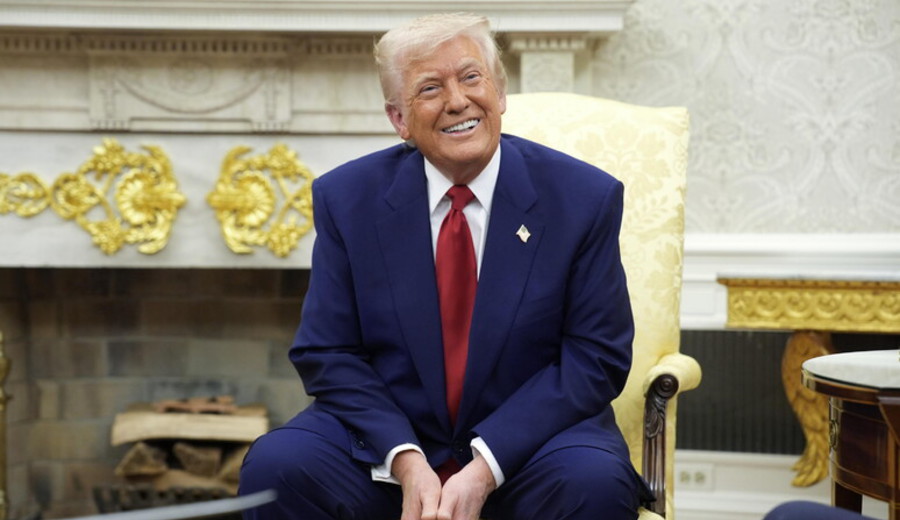
According to the latest economic reports, U.S. GDP growth has outperformed forecasts, supported by resilient consumer spending, business investment, and solid performance in sectors such as manufacturing, energy, and technology. The Trump administration has been quick to frame these results as validation of its economic strategy, particularly its use of tariffs and trade protection to support domestic industries and reduce dependence on foreign supply chains.
Administration officials argue that tariffs have strengthened American manufacturing, encouraged companies to invest locally, and protected strategic industries from global shocks. From this perspective, GDP growth is evidence that the U.S. economy remains competitive and capable of expanding despite global uncertainty, high interest rates, and geopolitical tensions.
However, consumer confidence tells a very different story. Major sentiment surveys show that confidence has fallen for several consecutive months, signaling that households are increasingly uneasy about their financial future. Inflation may have cooled from previous peaks, but everyday costs remain high, particularly for housing, healthcare, insurance, and education. For many families, these expenses overshadow positive macroeconomic headlines.
Economists stress that GDP growth and consumer confidence measure different realities. GDP reflects total economic output, while confidence is driven by personal financial experience. Even in a growing economy, consumers may feel left behind if wages fail to keep pace with expenses or if job security feels uncertain. This disconnect is becoming a defining feature of the current U.S. economic landscape.
Adding to the pressure is a climate of internal political tension, which continues to weigh on sentiment. Ongoing disputes over federal spending, trade policy, and social issues have intensified polarization in Washington and across the country. Among the most controversial developments are administration orders limiting certain abortion-related services, which have sparked legal challenges, protests, and heated political debate.
Supporters of these measures argue they align with conservative values and states’ rights, while critics warn they create legal uncertainty and restrict access to healthcare. Regardless of political stance, analysts note that such debates contribute to a sense of instability that can influence both consumer behavior and business decision-making. Political uncertainty often discourages long-term spending and investment, even when economic data appear strong.
Financial markets have responded cautiously to these mixed signals. Strong GDP numbers have provided support for equities, but gains have often been limited by concerns over weakening consumer sentiment and political risk. Investors are increasingly focused on whether declining confidence could eventually translate into slower consumer spending, which accounts for roughly two-thirds of U.S. economic activity.
From a consumer perspective, the situation feels contradictory. On one hand, headlines highlight economic growth, rising output, and policy success. On the other, households continue to face affordability challenges that directly affect their daily lives. This gap between official economic performance and lived experience is shaping public perception—and may become a central issue in future political and economic debates.
Policy experts warn that sustained declines in consumer confidence can act as an early warning signal. If households pull back on discretionary spending, the broader economy could feel the impact in the months ahead, potentially slowing growth despite current momentum. Conversely, measures that ease cost pressures, improve wage growth, or provide clearer policy direction could help restore confidence.
Looking ahead, the U.S. economic outlook will depend on several key factors: inflation trends, labor market stability, interest rate expectations, and the evolution of internal political tensions. While GDP growth remains a positive sign, confidence levels suggest that many Americans are not yet convinced that the economy is working in their favor.
In conclusion, the United States is experiencing a two-speed economic reality. Strong GDP growth highlights resilience at the macro level, while falling consumer confidence underscores persistent concerns at the household level. Bridging this gap—between economic performance and public trust—will be crucial for sustaining growth and restoring optimism in the months ahead.
Acerca del autor