
Artificial Intelligence is no longer a futuristic concept reserved for tech giants. In 2026, AI has become one of the most powerful tools available to investors seeking better returns, smarter risk management, and faster decision-making. Those who fail to understand how to leverage AI-driven investing tools risk falling behind in increasingly data-driven financial markets.
From portfolio optimization to predictive analytics and sentiment analysis, AI is transforming how individuals and institutions approach investing. The message is clear: investors must learn to use Artificial Intelligence to remain competitive in modern markets.
The Rise of AI in Financial Markets



4
Global financial markets generate enormous amounts of data every second—earnings reports, economic indicators, news headlines, social media sentiment, interest rate movements, and geopolitical developments. Human investors simply cannot process this information at scale in real time.
AI systems, however, can.
Machine learning algorithms analyze structured and unstructured data simultaneously, identifying patterns and correlations that may go unnoticed by traditional analysis. This capability enables:
- Faster identification of market trends
- Improved asset allocation strategies
- More accurate risk assessment
- Detection of anomalies and early warning signals
Institutional investors have been using AI for years. Now, retail investors also have access to AI-powered platforms, making financial markets more technologically competitive than ever before.
How AI Enhances Investment Decision-Making
Artificial Intelligence improves investment processes in several key areas:
1. Predictive Analytics
AI models use historical data combined with real-time information to forecast potential price movements. While no system can predict markets with certainty, machine learning significantly improves probability-based forecasting.
2. Sentiment Analysis
AI tools scan news articles, earnings calls, and even social media to measure market sentiment. A sudden shift in tone surrounding a company or sector can influence price momentum.
3. Portfolio Optimization
AI can dynamically rebalance portfolios based on volatility, correlations, and macroeconomic signals, helping investors reduce unnecessary exposure.
4. Risk Management
Advanced algorithms detect abnormal trading activity or volatility spikes, allowing investors to adjust positions proactively.
The Democratization of AI Investing


4
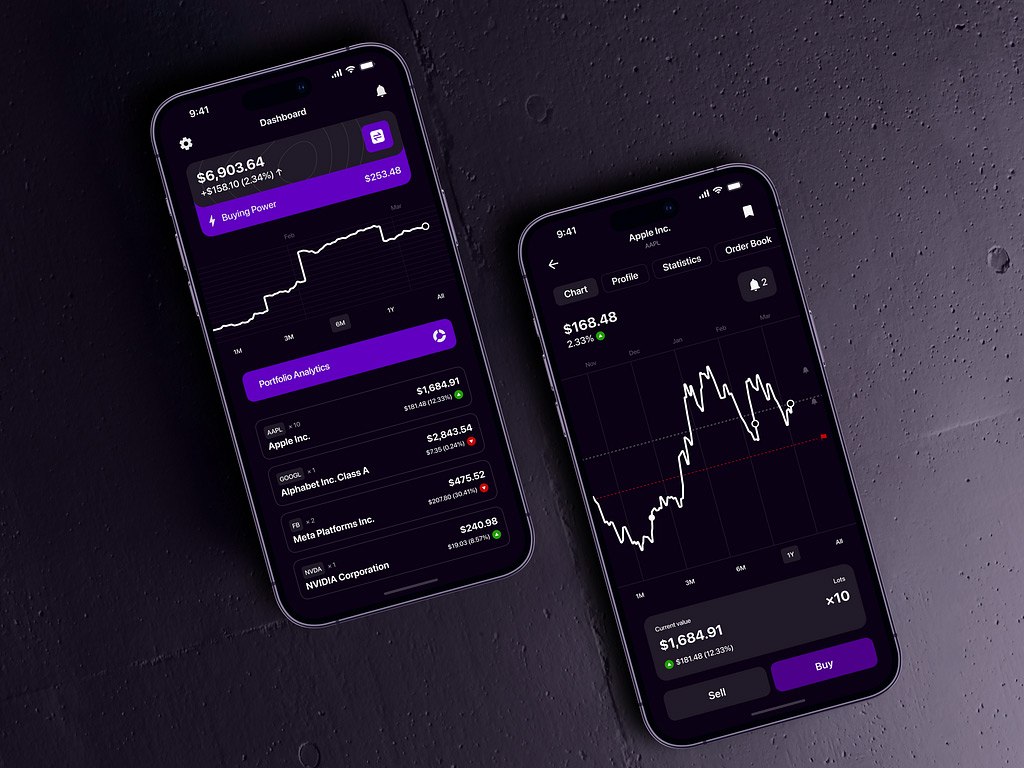
In the past, algorithmic trading and quantitative models were exclusive to hedge funds. Today, AI-powered robo-advisors and trading platforms offer similar analytical capabilities to individual investors.
Modern investment platforms now include:
- AI-driven stock screeners
- Automated portfolio recommendations
- Risk scoring systems
- Personalized asset allocation models
This democratization means the competitive advantage once held by institutions is narrowing. However, simply having access to AI tools is not enough—investors must understand how to use them effectively.
AI Is a Tool, Not a Replacement
A common misconception is that AI eliminates the need for human judgment. In reality, Artificial Intelligence works best as a complement to strategic thinking.
AI can process data at scale, but investors must still:
- Define long-term goals
- Understand macroeconomic trends
- Evaluate business fundamentals
- Manage emotional discipline
Overreliance on automated systems without understanding their limitations can increase risk. AI models depend on data quality and assumptions; unexpected black swan events can still disrupt algorithmic predictions.
Competitive Advantage in a Data-Driven Era
Financial markets are increasingly influenced by speed and information asymmetry. Investors who integrate AI into their strategy benefit from:
- Faster reaction times
- Broader analytical coverage
- Reduced cognitive bias
- Continuous monitoring of assets
For example, AI can alert investors to unusual volatility before it becomes visible in standard price charts. It can also uncover hidden correlations between sectors that traditional analysis might overlook.
As markets become more complex, AI literacy is becoming as important as financial literacy.
Ethical and Regulatory Considerations



4
The rise of AI investing also brings new responsibilities. Data privacy, cybersecurity, and regulatory compliance are critical concerns. Investors must ensure they use reputable platforms that adhere to financial regulations and maintain high data security standards.
Transparency is another challenge. Some AI systems operate as “black boxes,” making it difficult to understand how specific investment decisions are generated. Investors should prioritize tools that provide explainable insights rather than blind automation.
Long-Term Implications for Investors
Artificial Intelligence is not a temporary trend. It represents a structural shift in how financial markets operate. Over the next decade, AI integration is expected to expand into:
- Real-time macroeconomic scenario simulations
- Personalized predictive risk scoring
- AI-assisted ESG (Environmental, Social, Governance) analysis
- Advanced behavioral finance modeling
Investors who develop AI competencies today position themselves for sustained long-term advantage.
Practical Steps to Start Using AI in Investing
To remain competitive in 2026 and beyond, investors should:
- Learn the fundamentals of AI and machine learning in finance.
- Experiment with AI-powered stock screeners and portfolio tools.
- Combine AI insights with traditional fundamental analysis.
- Stay updated on regulatory developments in fintech.
- Continuously evaluate and refine AI-assisted strategies.
Education and experimentation are key.
Conclusion: AI Literacy Is the New Investment Skill
Artificial Intelligence is redefining modern investing. It enhances analytical precision, reduces emotional bias, and empowers investors to process complex data environments efficiently.
However, AI is not a shortcut to guaranteed profits. It is a strategic tool that requires understanding, discipline, and thoughtful application.
In a world where markets move faster and information flows instantly, investors who learn to harness AI will gain a structural edge. Those who ignore it risk becoming spectators in an increasingly automated financial landscape.
The future of investing belongs not just to those who understand markets—but to those who understand how to use Artificial Intelligence within them.

NextGenInvest is an independent publication covering global markets, artificial intelligence, and emerging investment trends. Our goal is to provide context, analysis, and clarity for readers navigating an increasingly complex financial world.
By Juanma Mora
Financial & Tech Analyst
Acerca del autor